
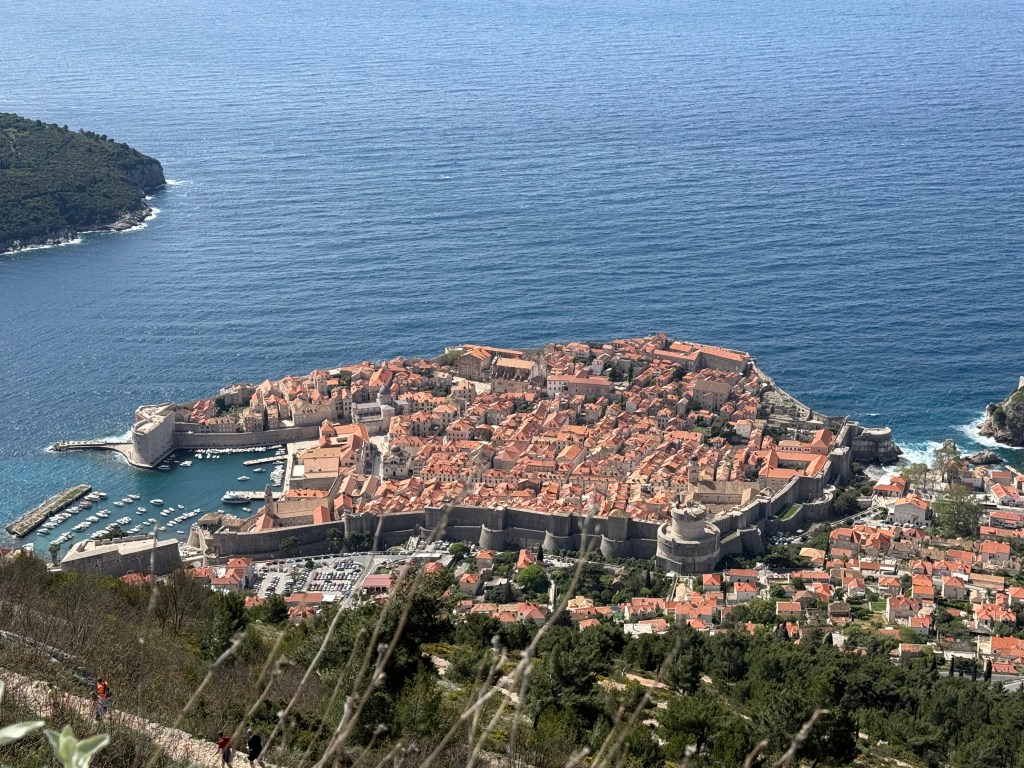
Once known as the Republic of Ragusa, Dubrovnik was an independent republic for about 400 years until Napoleon showed up in the early 1800s. With their sharp trading and diplomatic skills, they held the massive Ottoman Empire at bay with annual tributes to the sultan to the tune of 15K ducats per year (order of magnitude ~$1M). That’s every year for nearly 400 years. But it bought Dubrovnik’s ongoing independence and the freedom to trade, which they did superlatively, broadly and lucratively.
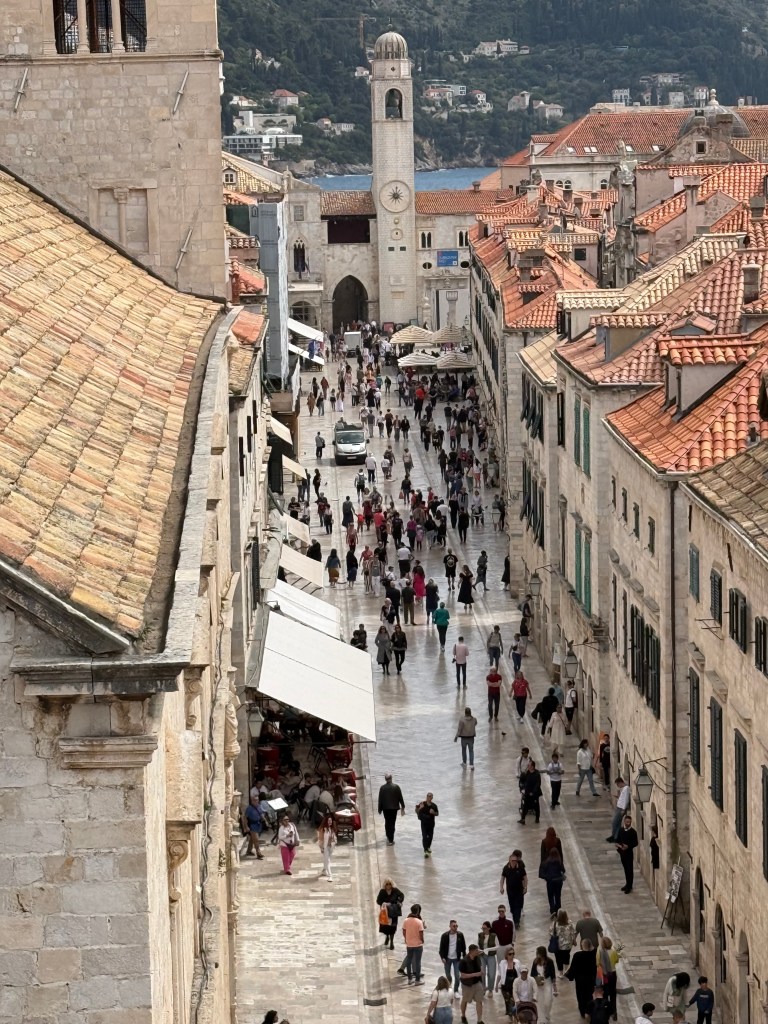
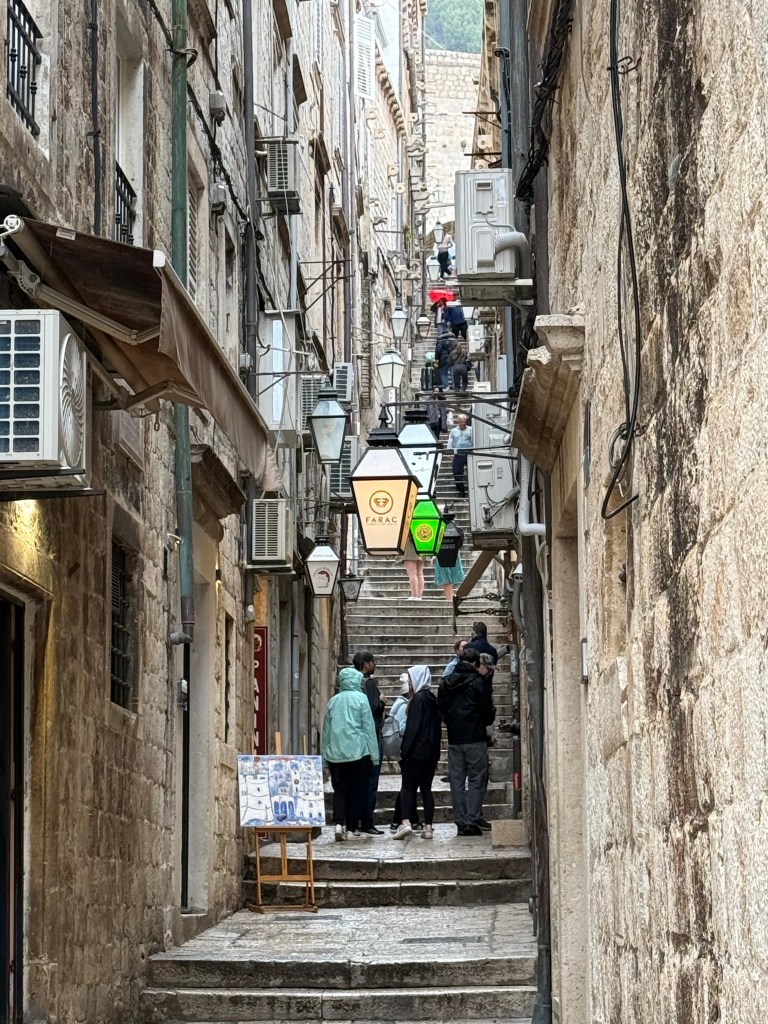
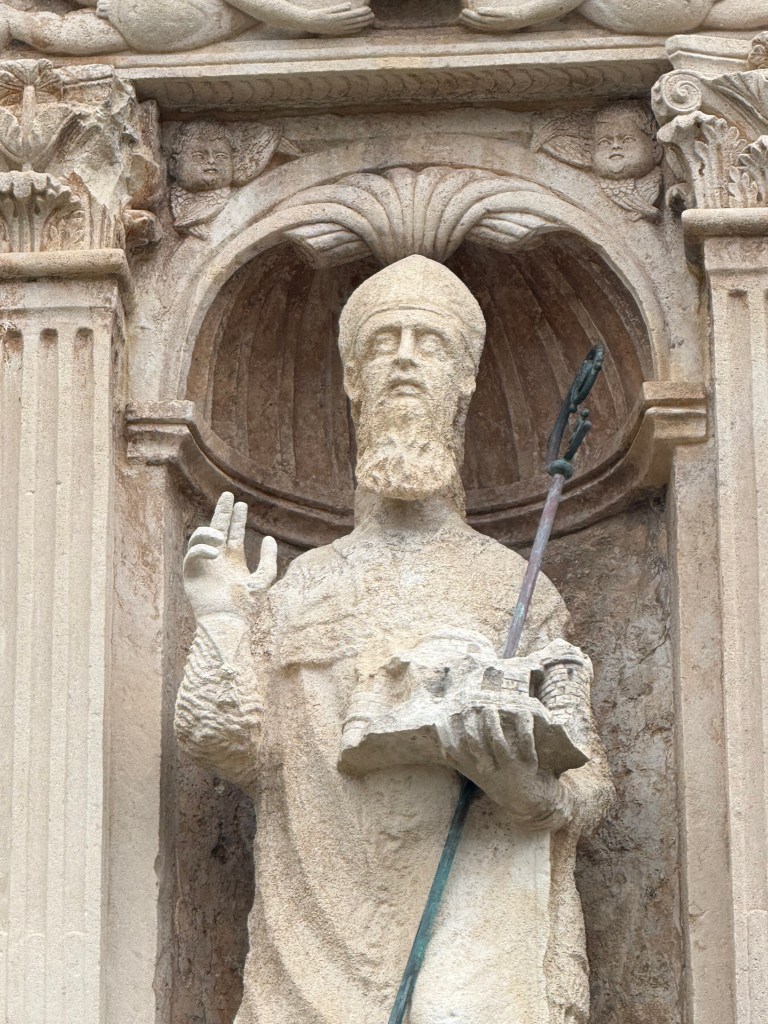
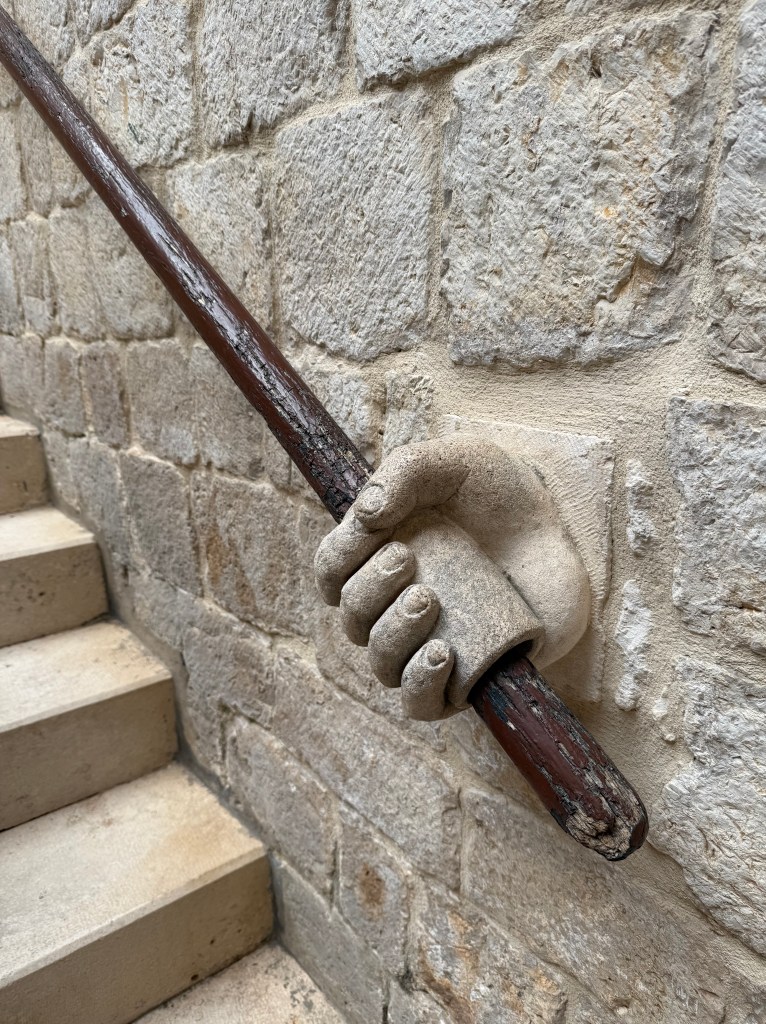
Dubrovnik did end up being overrun, but the invading forces were, and are, tourists. With a metro area population of just 40K, the city hosted over a million visitors last year.
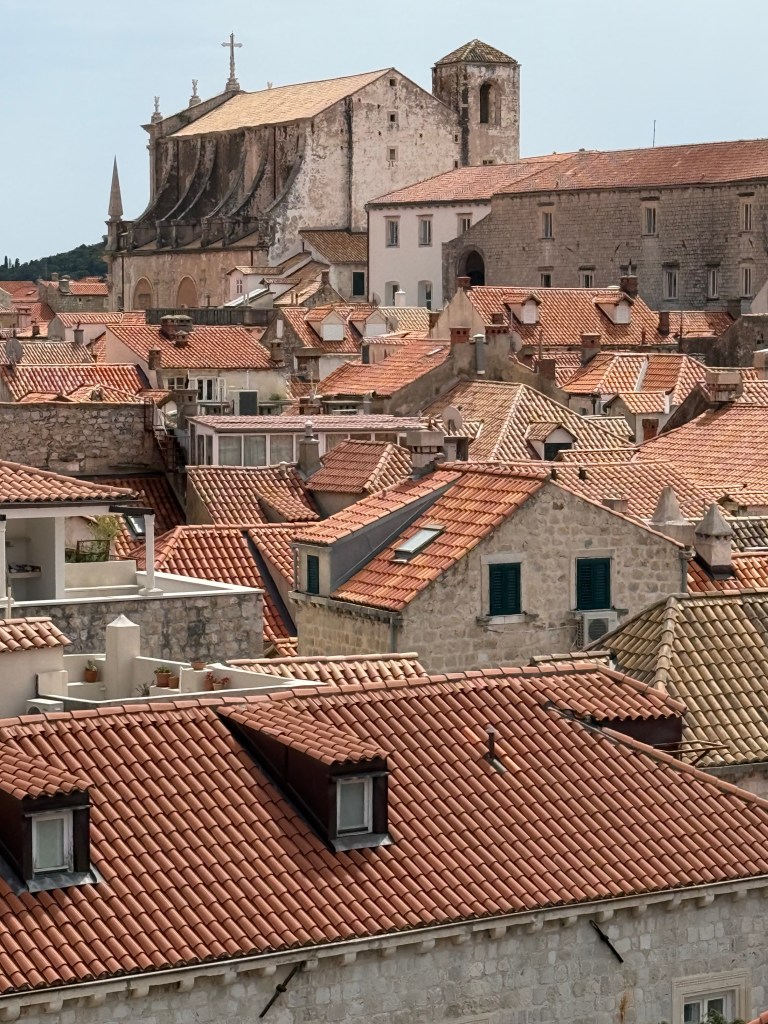
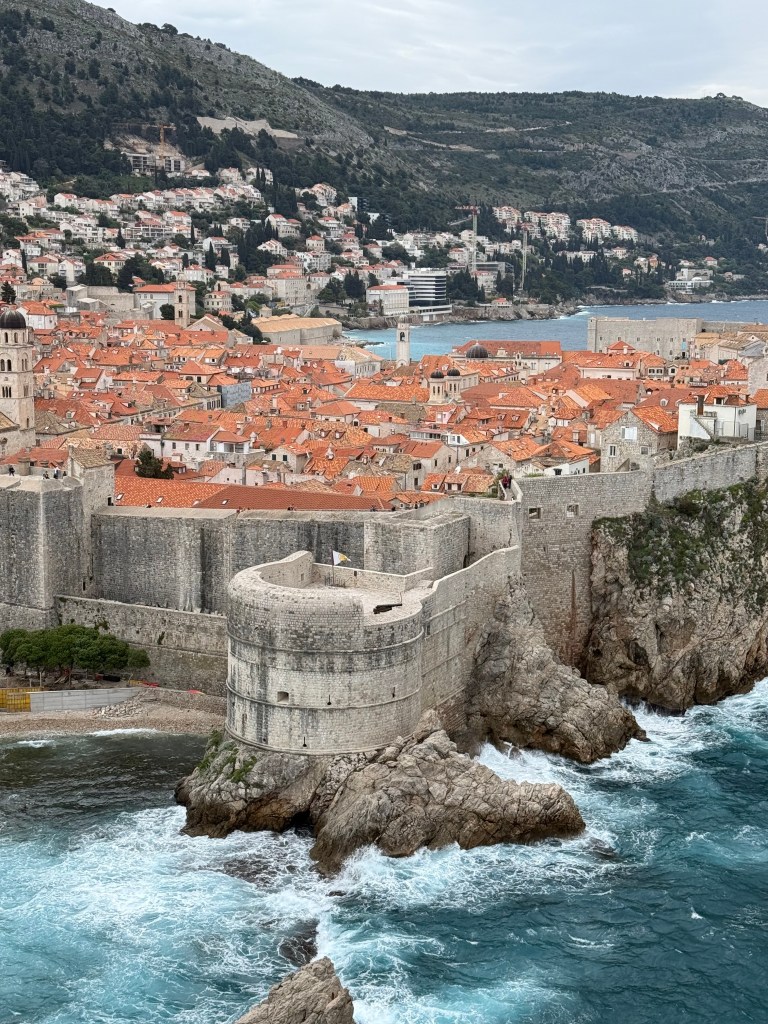
And it is evermore expensive. F’rinstance: a dozen years ago the fee to walk the city wall was under €10; today it is €40. Yet it is a charming place, worthy of a visit, with huge stone walls enveloping a most walkable town of blonde stone buildings with red tile roofs, exuding history all the while.
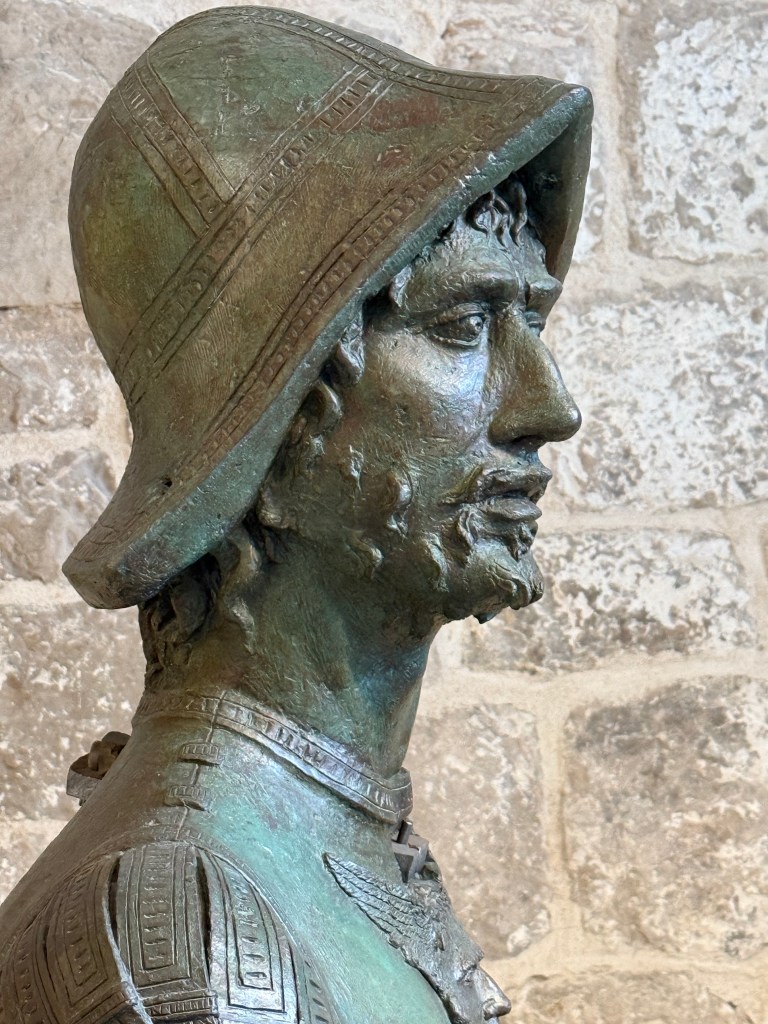
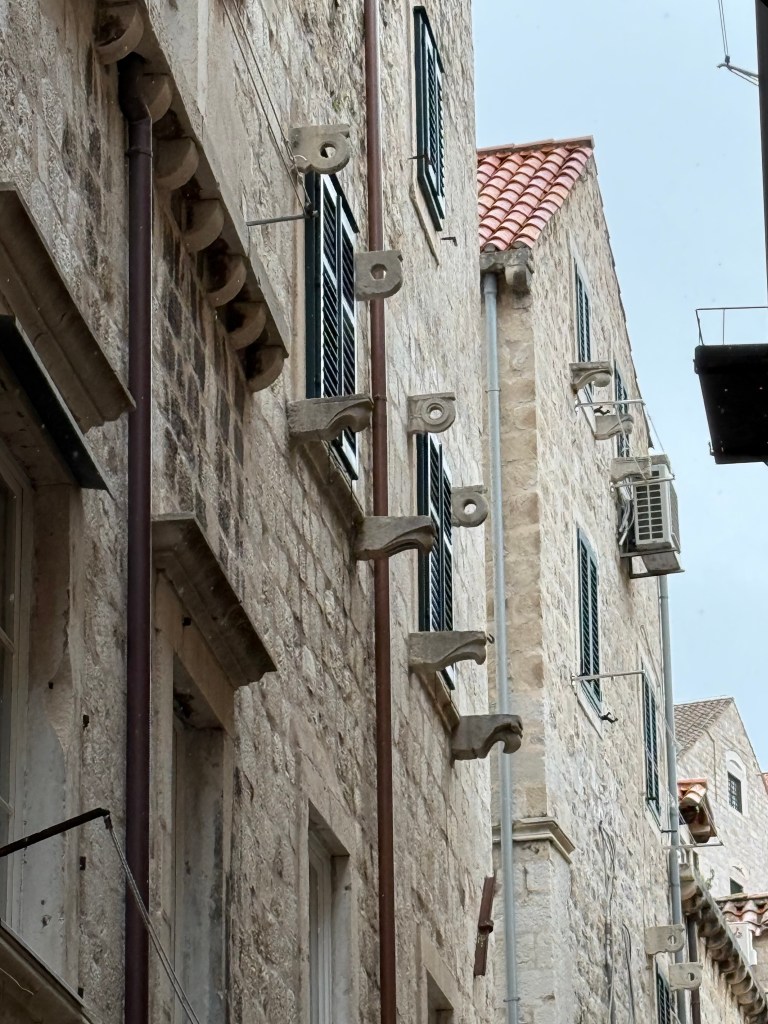
Some of that history is fraught. One of the defining periods of Croatia’s War for Independence in the 1990s was the siege of Dubrovnik by Serbian and Montenegrin forces. Lasting seven months, the city was cut off from the outside world, subsisting on limited food, medicine and water. Over half of the buildings in the historic center were damaged by near-daily artillery bombardments. We had an opportunity to talk to locals about their experiences, which really personalized the war. One of the common themes of their experiences was how, in the immediate run up to the conflict, no one thought that war would happen here. Serbians are our brothers, they thought. They’ll never attack the city — it’s a UNESCO Heritage site, for gods sake… And yet, it happened. While the siege of Dubrovnik was broken by Croatian troops in the summer the following year, it would be three more years before Croatia’s war of independence was won.
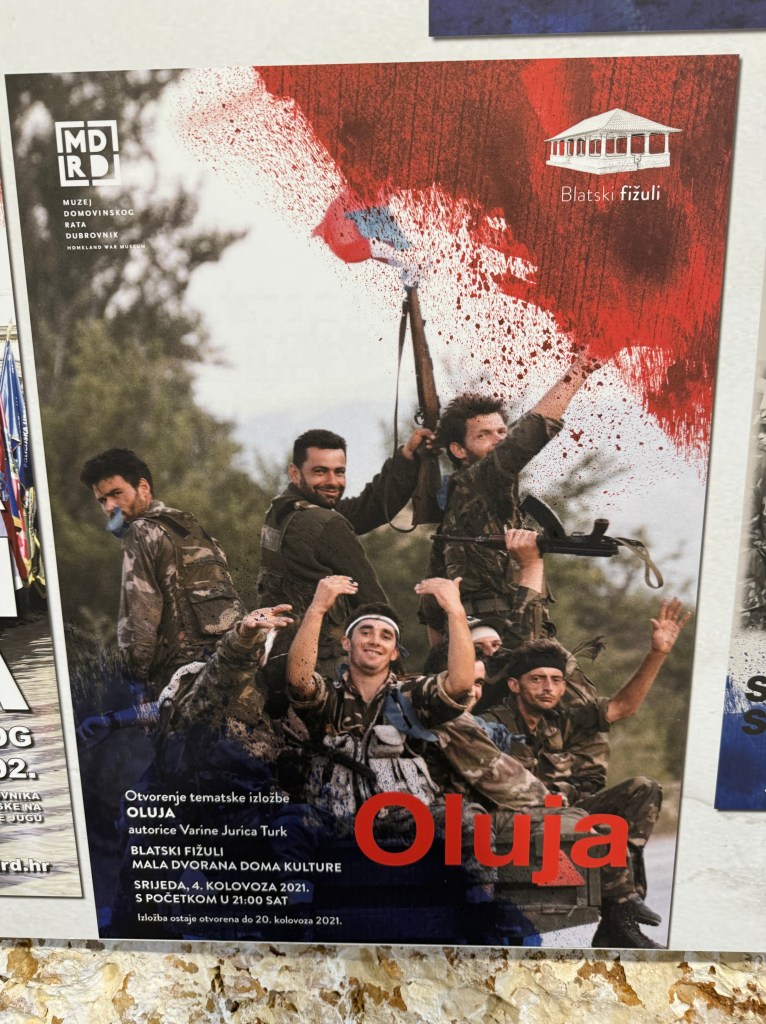
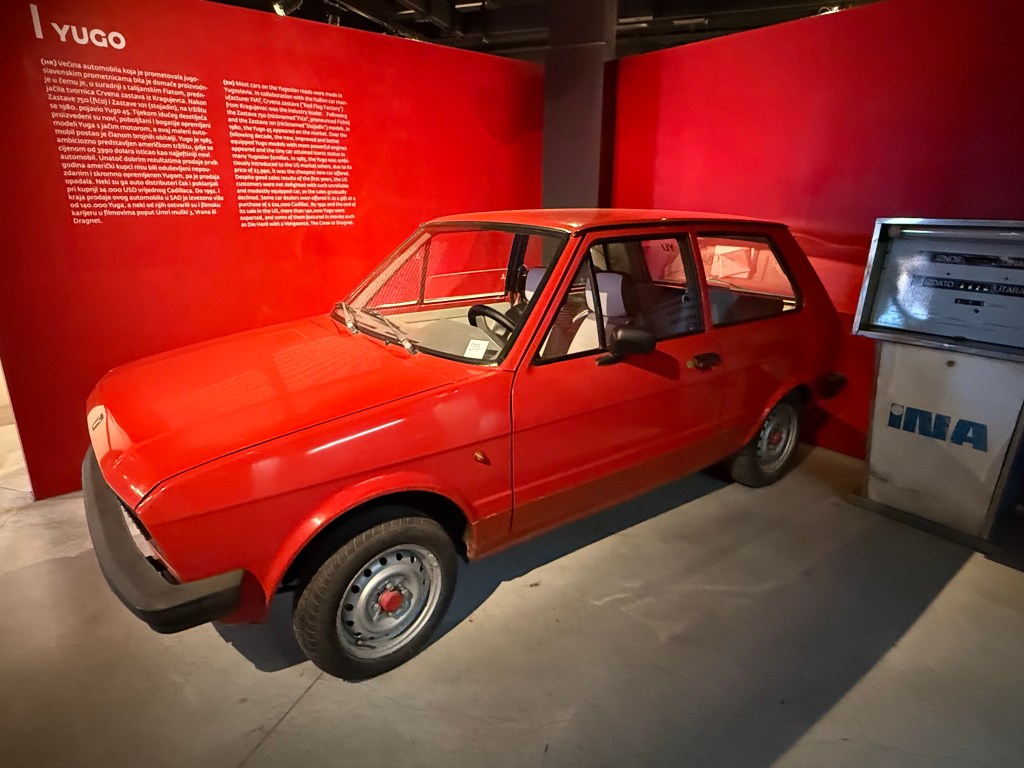
Having been to Dubrovnik a couple of times previously, I enjoyed the opportunity to get to know some of the areas outside of the historic center. One noteworthy place is the Red Museum, near the commercial harbor, which offers a thoughtful look at the country’s history as part of communist Yugoslavia. Although the state used repression of expression and surveillance to maintain “order” (though not nearly as egregiously as Albania), I was surprised at how many people think back on those days fondly. There was not one person my age or older with whom I spoke (in Croatia or elsewhere in the former Yugoslavia) that did not feel that Yugoslavia in the 60s and 70s was a Golden Age. That is until the failings of the communist economic model and collapse of the Soviet state in the eighties, then hell literally broke loose in the region.
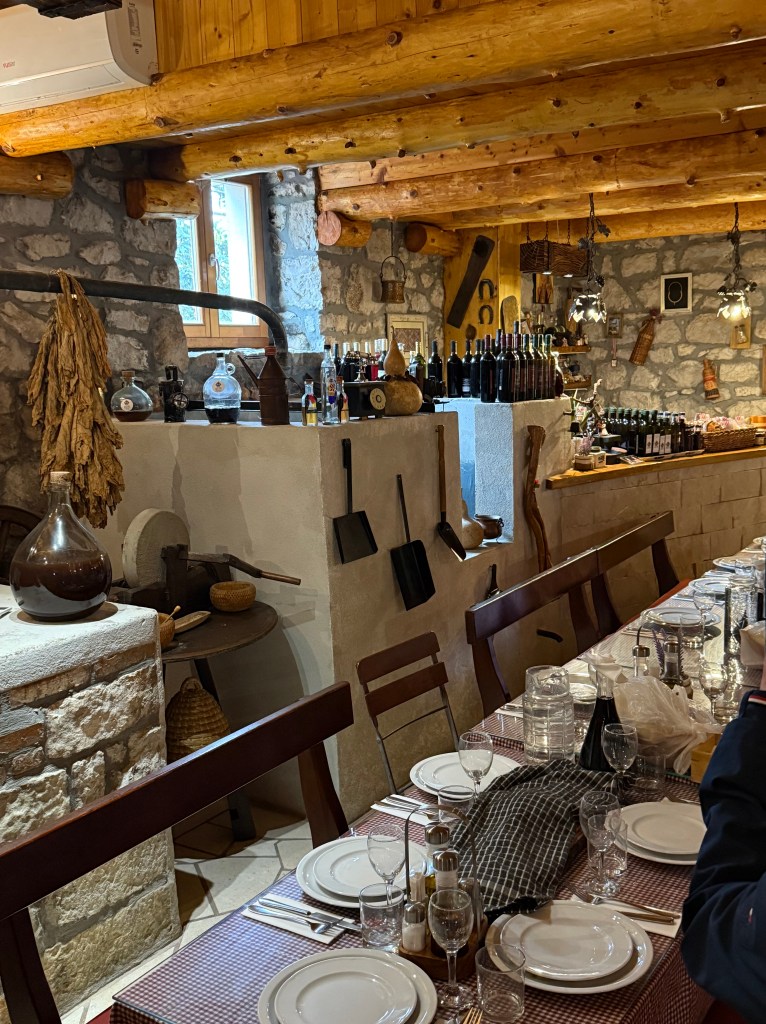
Since then, though, economic prosperity has returned to Dubrovnik, buoyed by tourism, Croatia’s accession into the European Union and plenty of hard work. An example of postwar renewal is an agrotourism farm we visited on the outskirts of Dubrovnik near the border with Montenegro. Dario’s property was pillaged by invading soldiers and his buildings burned to stone foundations, but he never lost hope. He returned, rebuilt, got back to work making olive oil, wine, rakija (the prevalent regional firewater) and fruit products. Today he is happy and successful. Maybe I’m just more sensitive these days to situations where life throws you curveballs, but I can’t help but be impressed at the way Dario turned adversity into success. I suppose the lesson for me is: stay guided by your core beliefs, do the work and trust that things will work out.


Leave a Reply