Montenegro has existed in its current state for only two decades, yet humans have lived in organized societies in the region for over 8,000 years. From the Ilyrians to the Romans, to the Southern Slavs that migrated here in the 6th century, to the Venetians and then the Ottomans in the 15th century, the Balkan Peninsula has been subject to disparate influences that have shaped its present ethnic and religious tapestry. It wasn’t until the Montenegrins ousted the Ottomans in the 19th century did Montenegro enjoy a brief period of self rule as a monarchy until WWI intervened and Montenegro became part of Yugoslavia (Yugoslavia translates to Land of the Southern Slavs).
Yugoslavia’s breakup, shortly following the dissolution of the USSR, led to a series of wars in the nineties that pitted Serbia and Montenegro (whose nationals made up the bulk of the Yugoslav Army) against each of the other former components of Yugoslavia: Slovenia, Croatia, Bosnia and Herzegovina, and Macedonia. More on these ugly conflicts in other chapters, but the outcomes were independence for each of the former Yugoslav republics. Today, two are already members of the EU (Slovenia and Croatia), with the others in line for inclusion, possibly in the 2030s timeframe. Montenegro is a member of NATO, along with Croatia, Slovenia and North Macedonia.
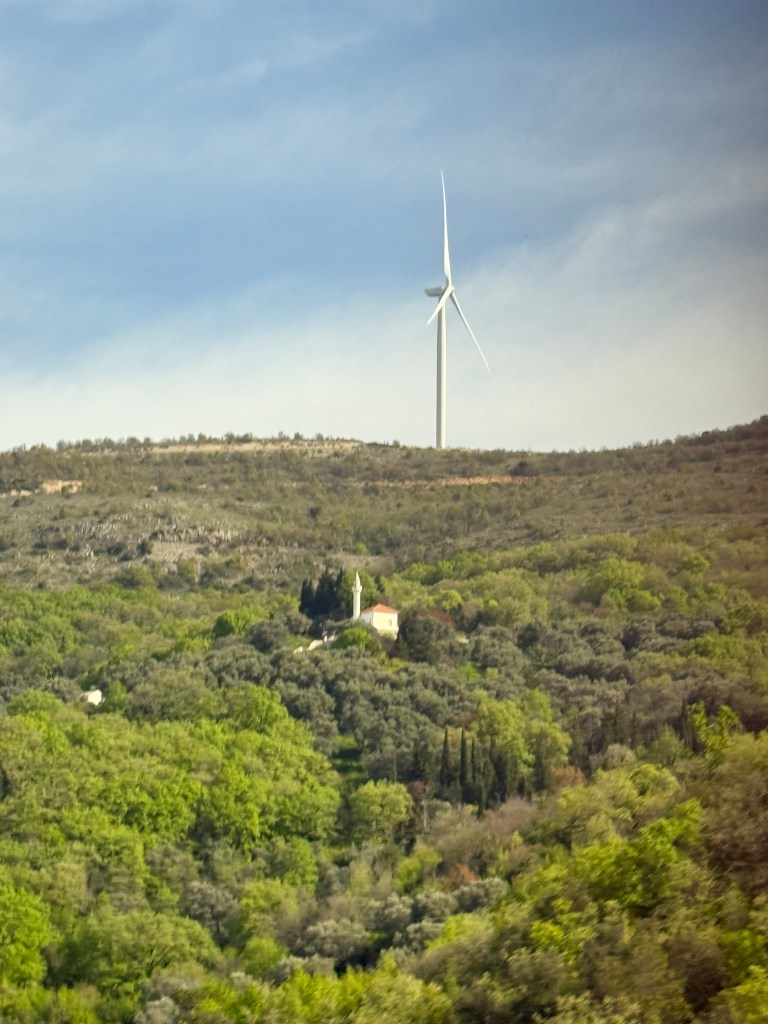
The ethnic and religious makeup of the region is a product of each of the civilizations that occupied the era over the past two millennia. The Roman Empire brought Catholicism, now concentrated in Slovenia and Croatia; the Slavs brought Orthodox Christianity and are primarily associated with Serbia and Montenegro; and the Ottoman’s four hundred years of rule ensured a major presence of Islam in the region, mostly in Bosnia and Herzegovina, but Montenegro, for example, is one-fifth Muslim. It is these religious differences — which are keenly tied to ethnicity — that form the backbone of the recent conflicts in the Balkan Peninsula.
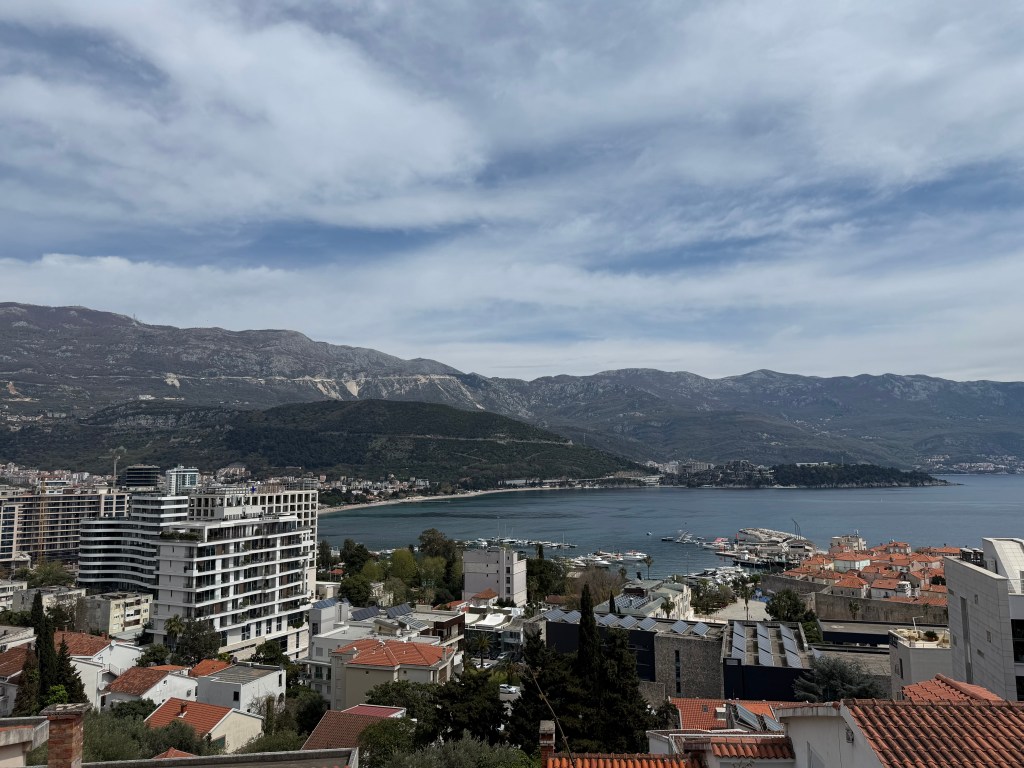
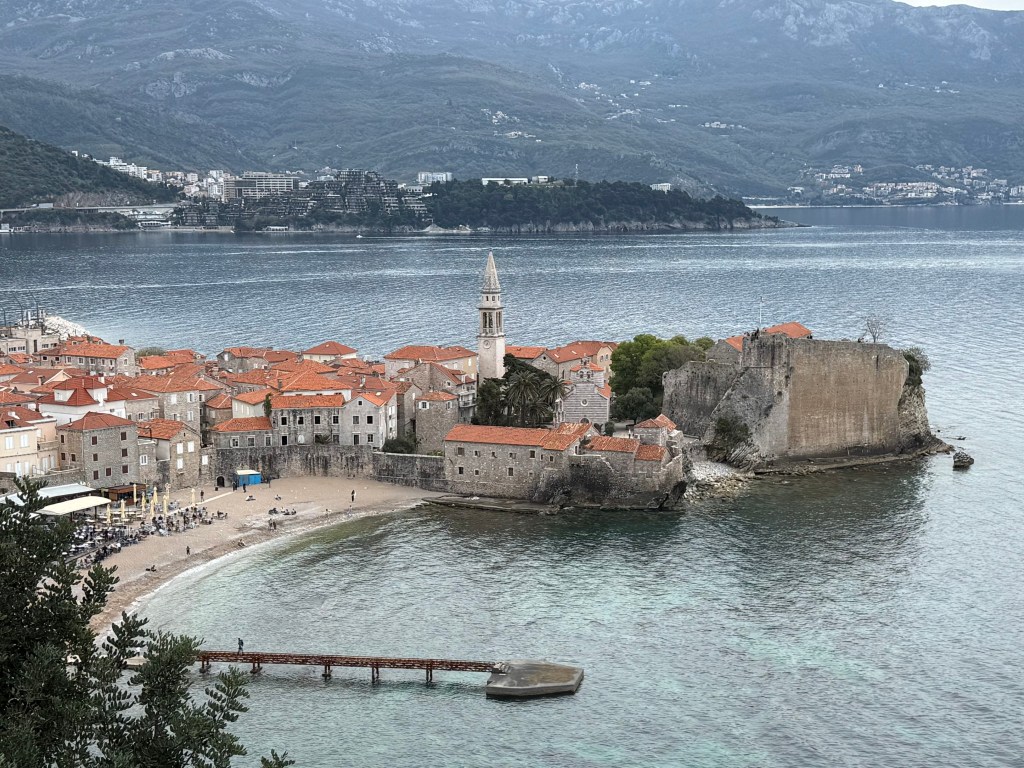
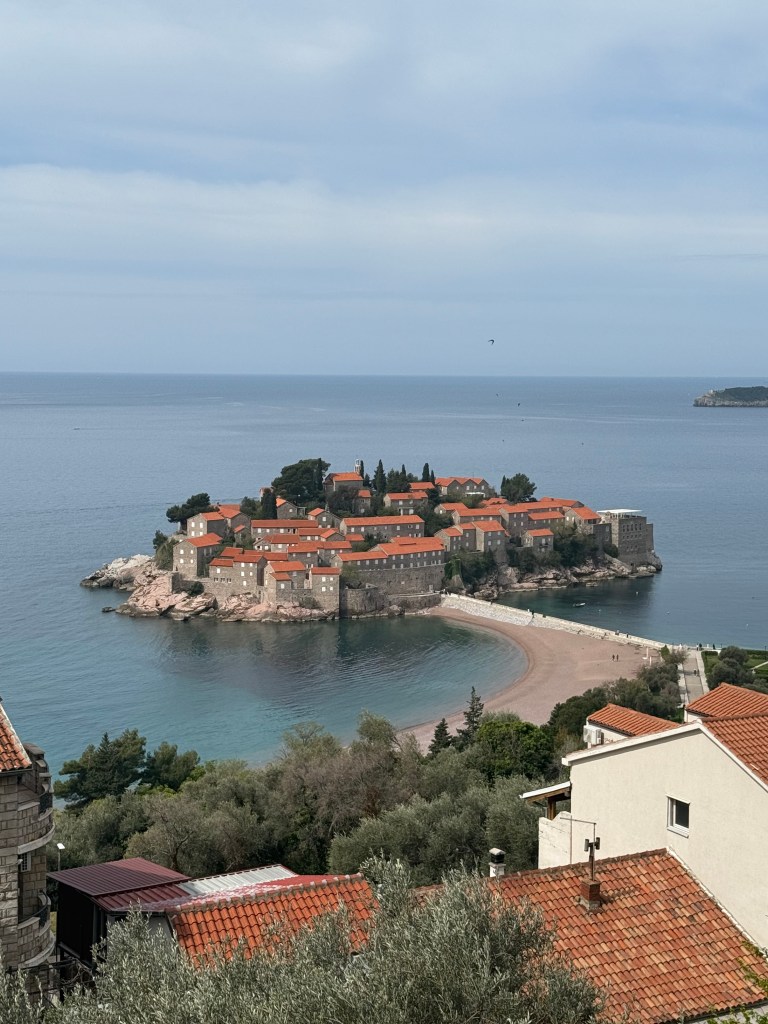
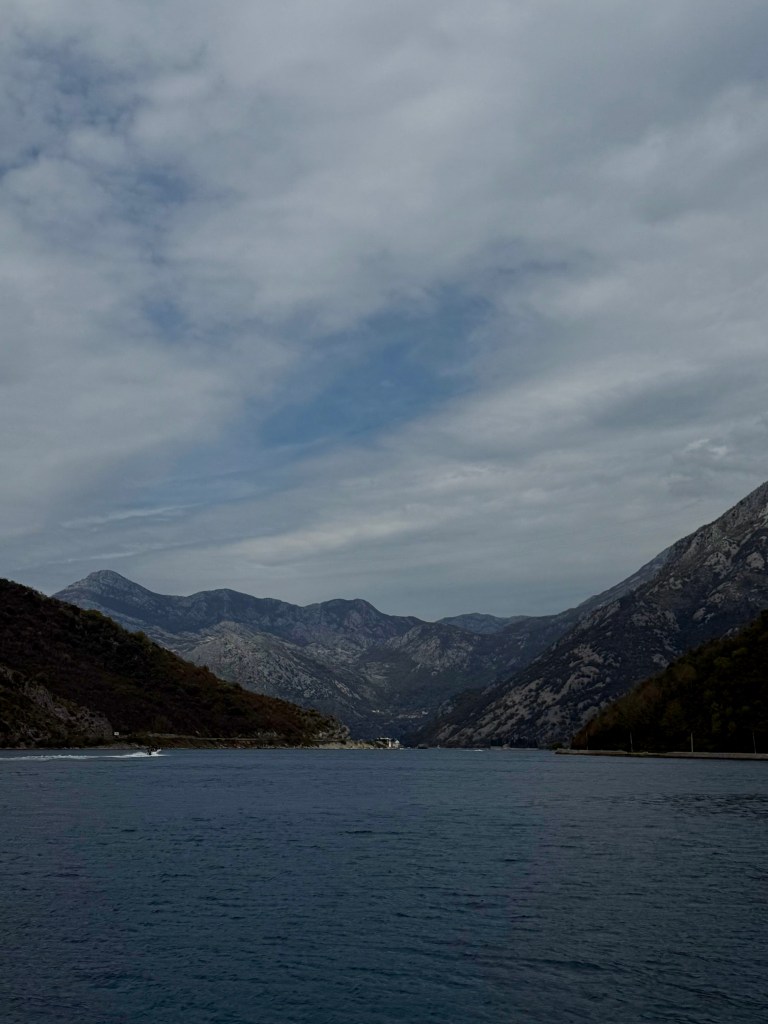
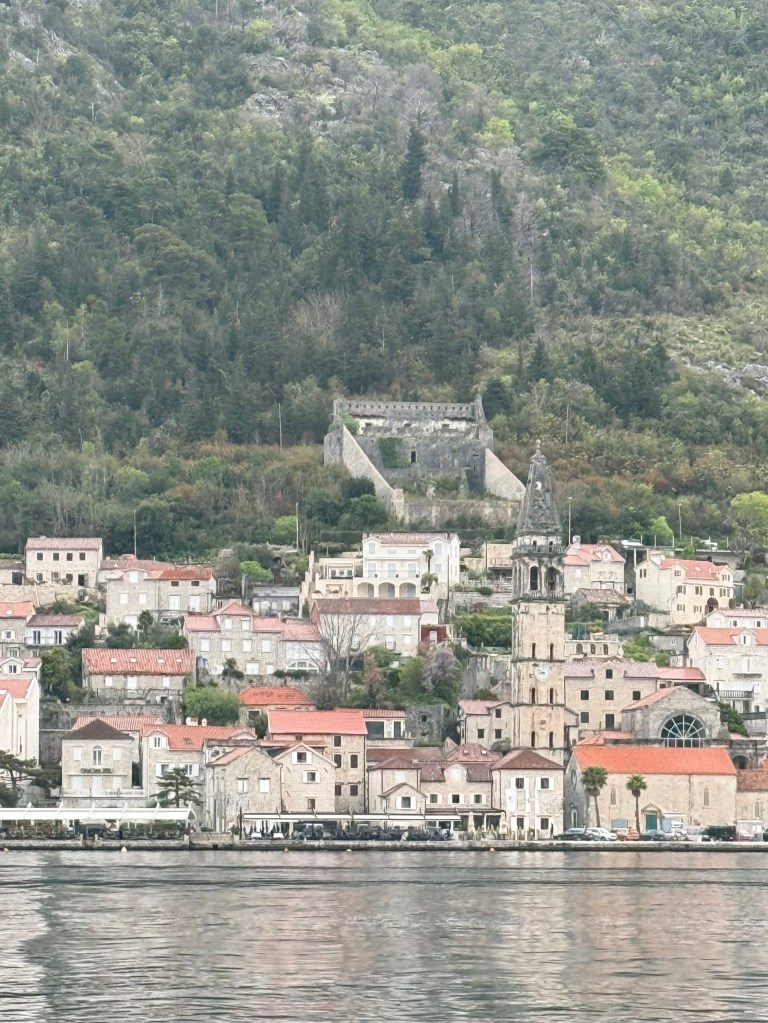
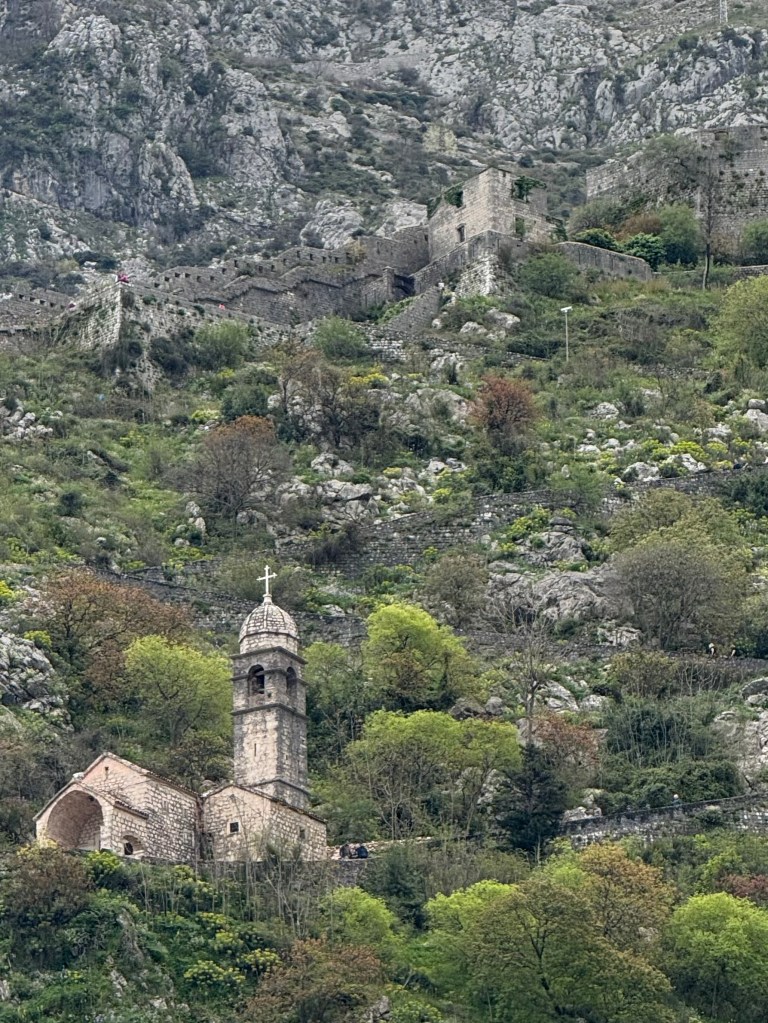
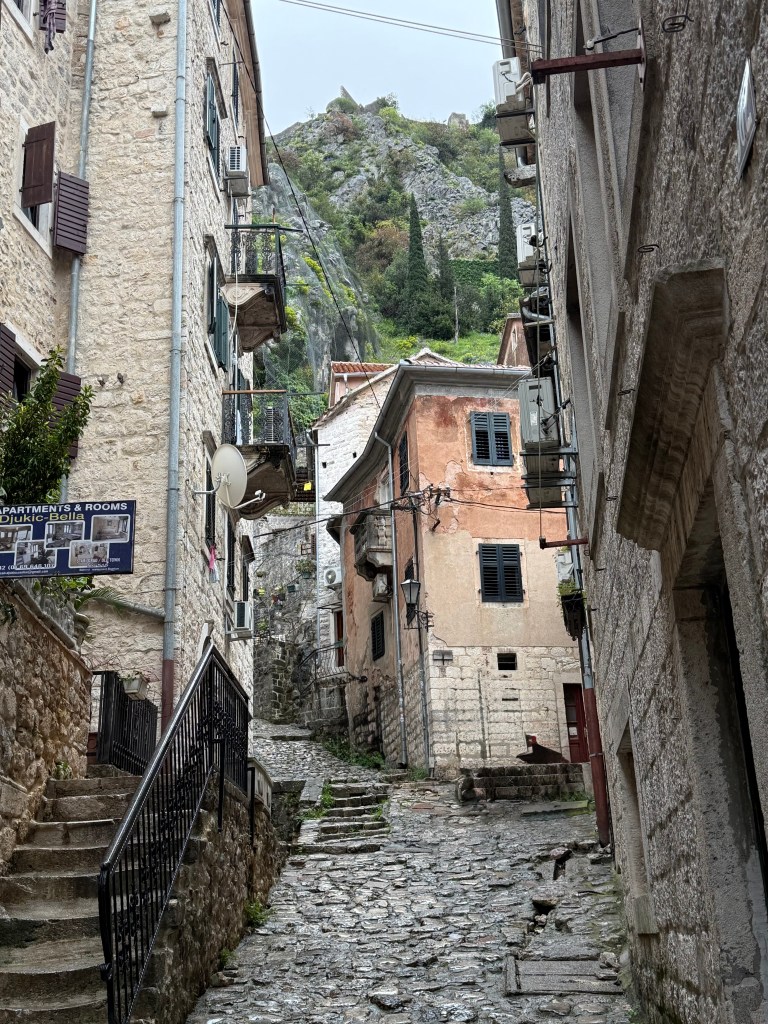
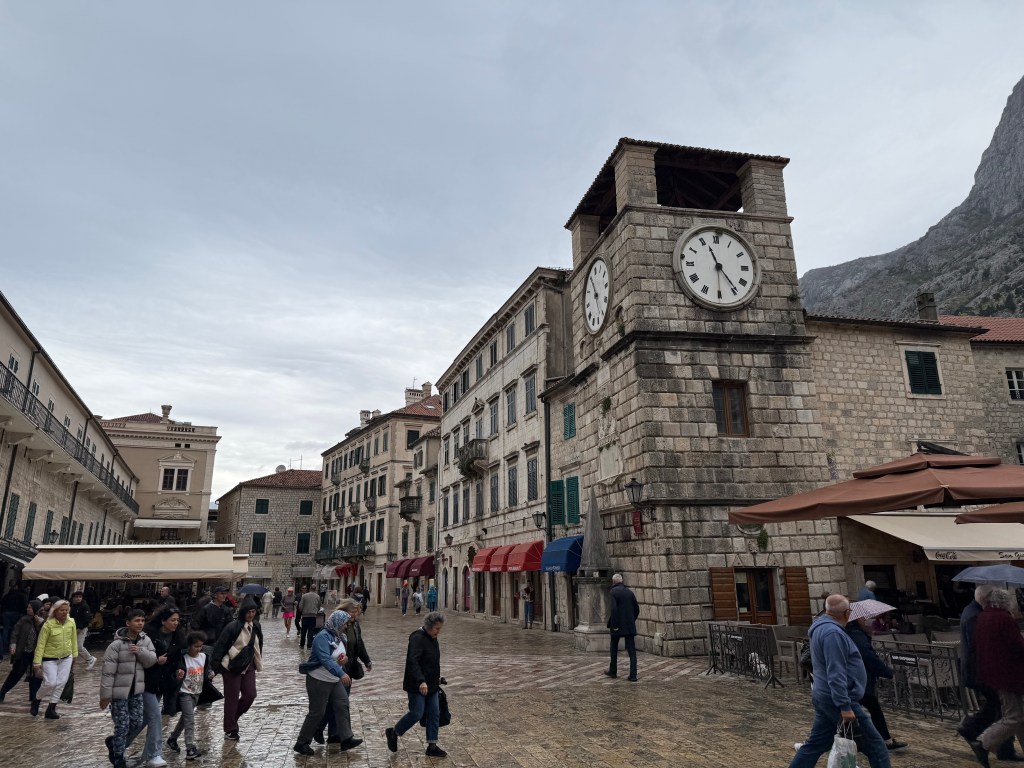
This was the backdrop as we explored coastal Montenegro and visited the UNESCO-listed city of Kotor, situated on the lovely Bay of Kotor, flanked by gorgeous mountain peaks. A medieval-era wall still surrounds the pedestrian-only old town, replete with the obligatory cathedral and a lurking mountainside fortress. The old town is fairly pocket-sized, making it ideal for an afternoon of wandering the lanes and alleyways.
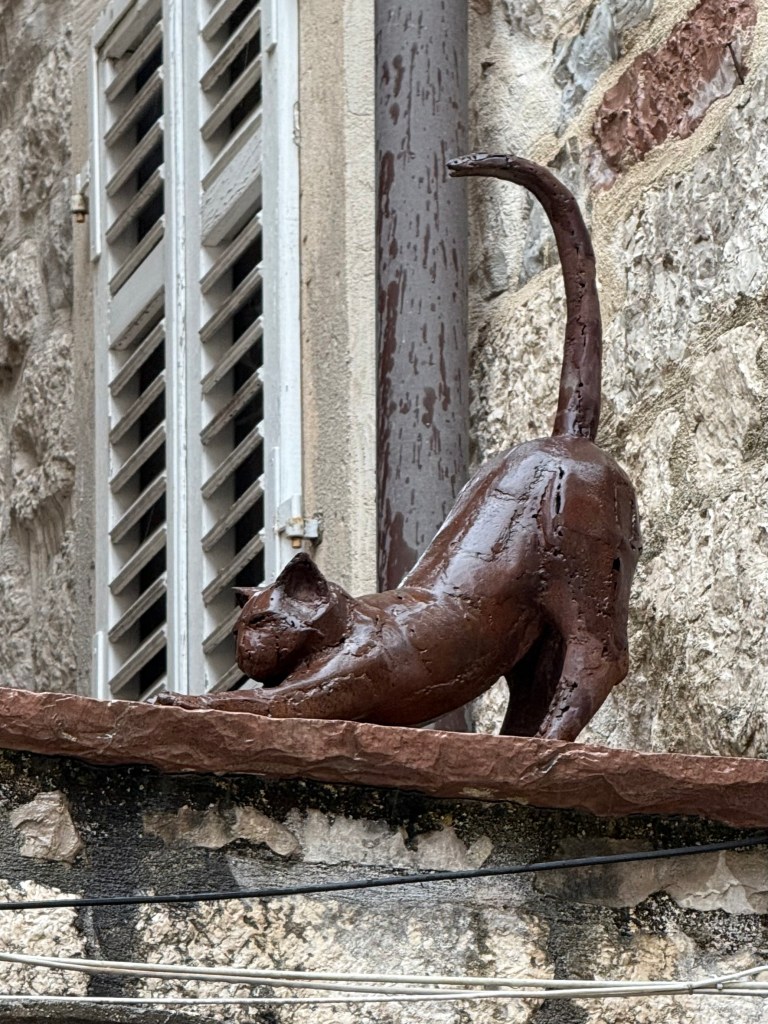
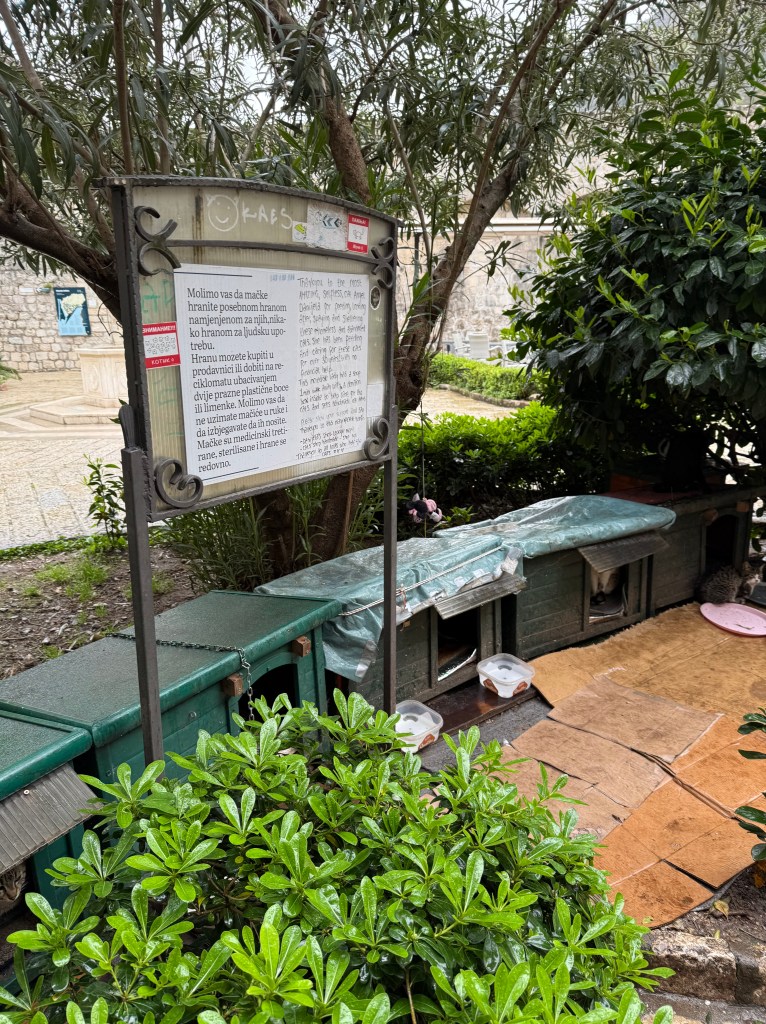
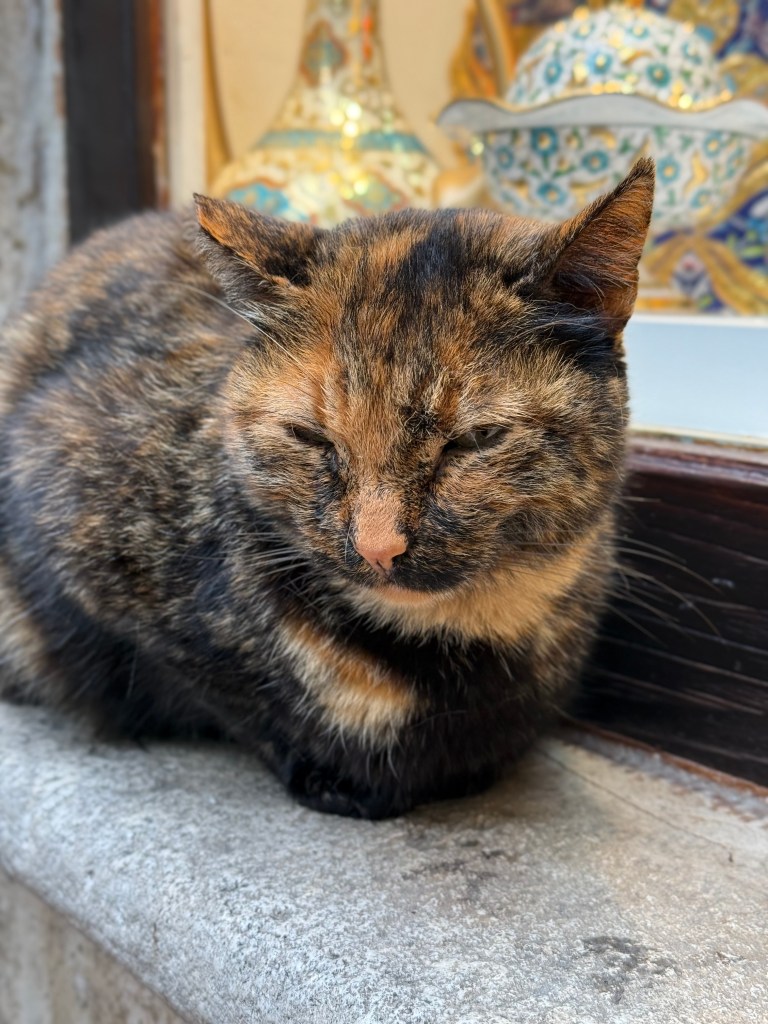
A notable feature of Kotor is its cats. So much so that I wonder if it isn’t pronounced Cat-or 😉. As the local legend goes, felines are credited with saving the town from the plague on more than one occasion: The cats ate the rats that harbored the fleas that bore the bacteria that caused the plague. Today, cats in Kotor are treated very well: the townspeople provide housing, food and medical care, there is a cat museum and cat store, and the populace takes pride in their relationship with these cute creatures.
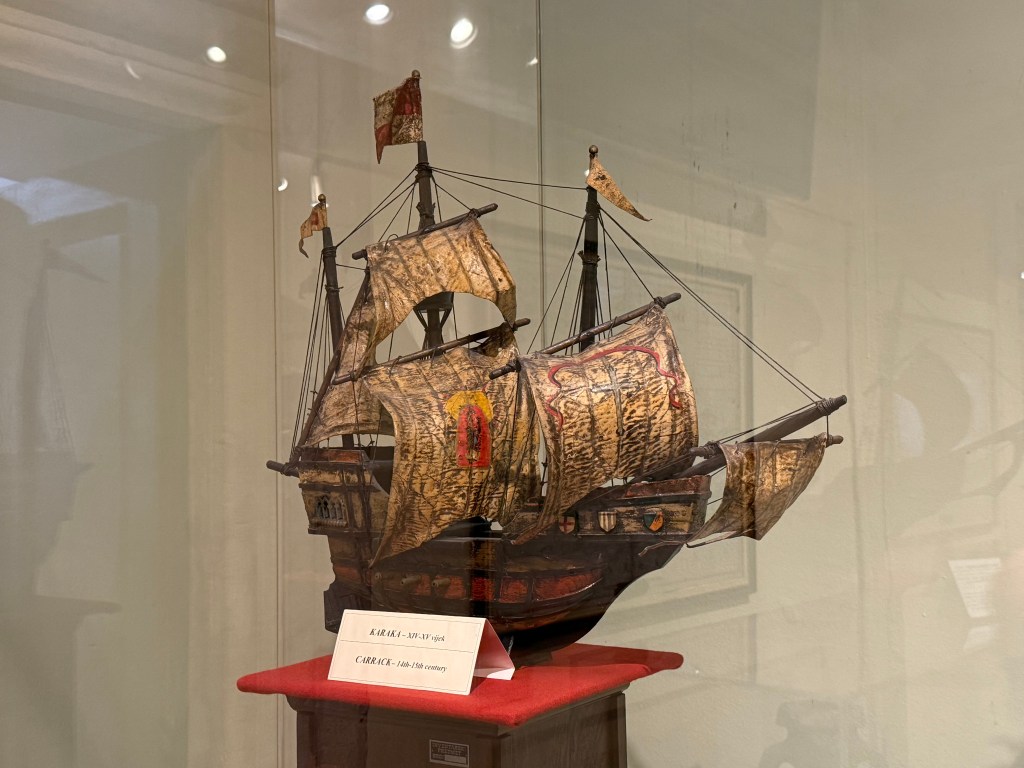
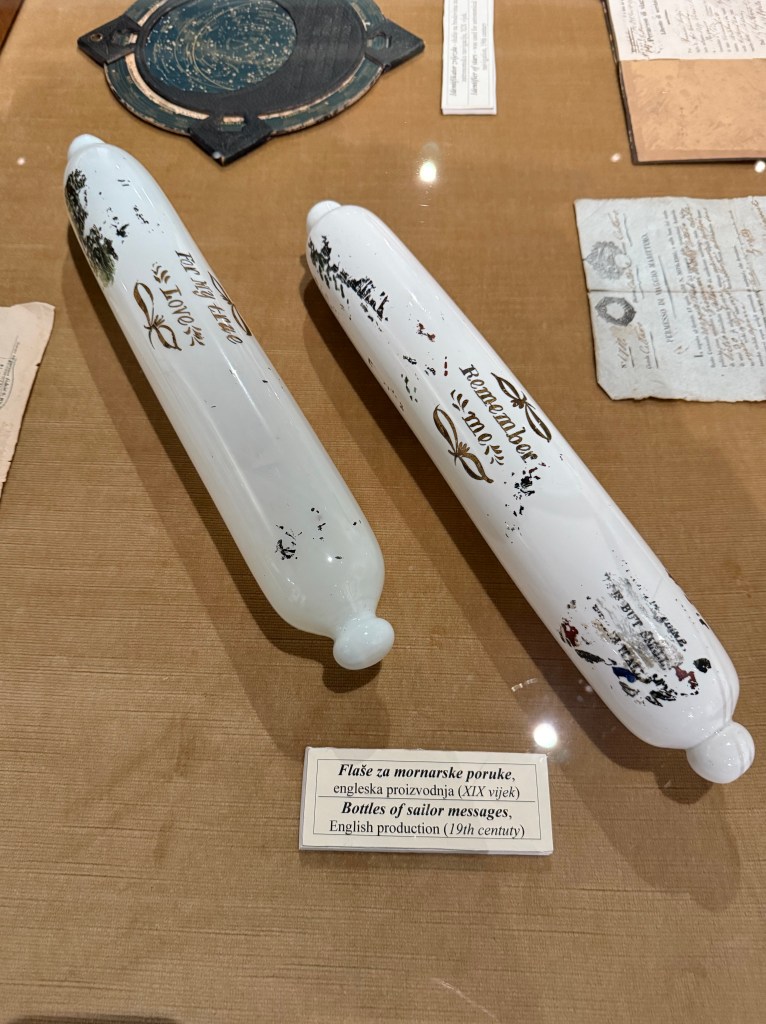
Kotor hosts an interesting Maritime Museum. I was intrigued by examples of sailors’ “message-in-a-bottle” bottles and impressed by the craftsmanship of the many scale models of ships in their collection.
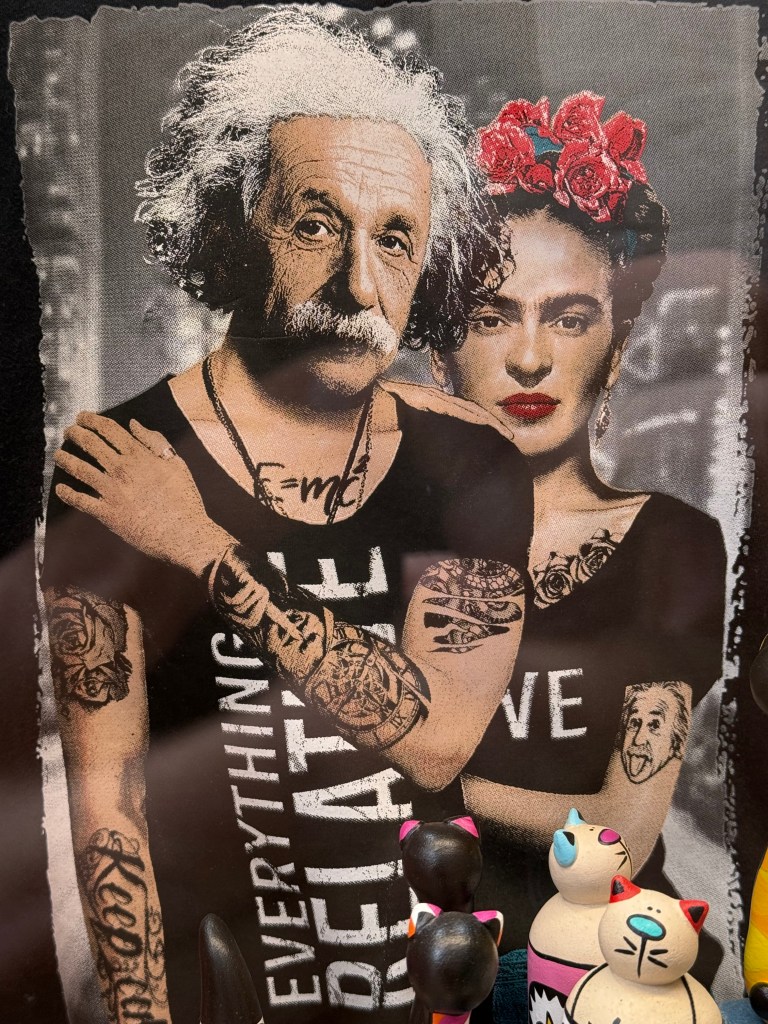
While it is difficult (and typically foolish) to attempt to distill any group of people into stereotypes, there are, at times, themes that run thru societies and I was curious about what sets the Montenegrins apart from their brethren in the region. I heard they are fierce fighters and very loyal, as theirs was a clan-based society. But I also heard from multiple sources that Montenegrins are an indolent lot — which surprised me and had me thinking that this attitude says more about those offering those opinions and the sociopolitical dynamics of the region than the Montenegrin people themselves. Especially when one considers the country’s demographics — half of the population are actually Albanian or Serbian or Muslim or Roma or Croat… It seems that here, as at home and in many parts of the globe, we still cling to this self-destructive “us vs. them” mindset. My personal experiences, while clearly limited, revealed only helpfulness and joviality. And a clever sense of humor…
 Vernaculae
Leave a comment