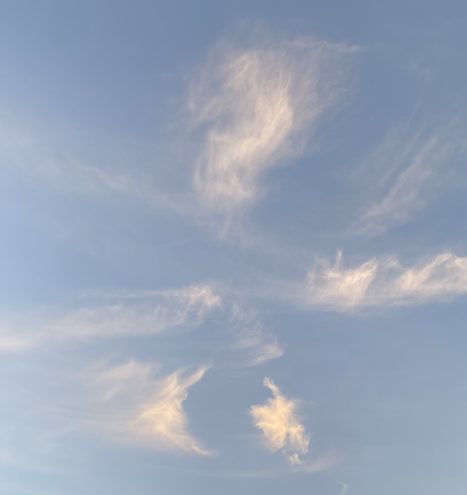
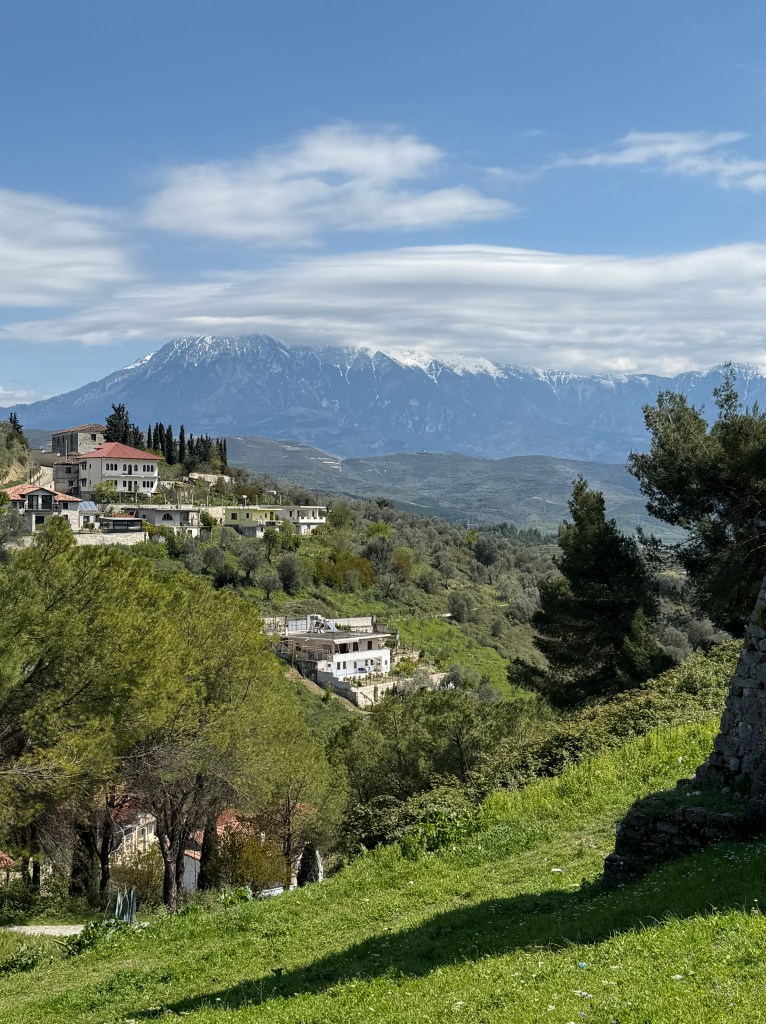
Sitting prettily on the eastern shore of the Adriatic Sea, between Greece and Montenegro, and due east of Italy’s “heel”, Albania has been moving forward since the start of the 21st century, finally leaving behind a half century of hardship wrought by decades communism and post-communist civil strife. With about 2.5M people in an area about the size of Massachusetts, Albania is a mountainous land of white limestone, whence its name (alba is Latin for white).
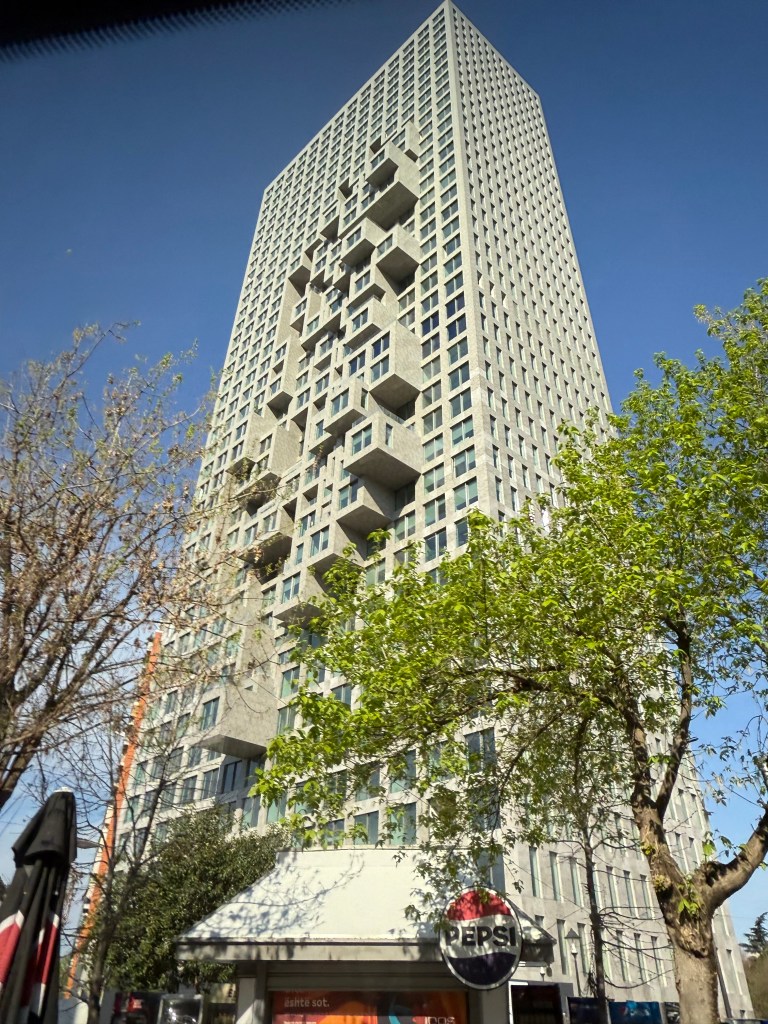
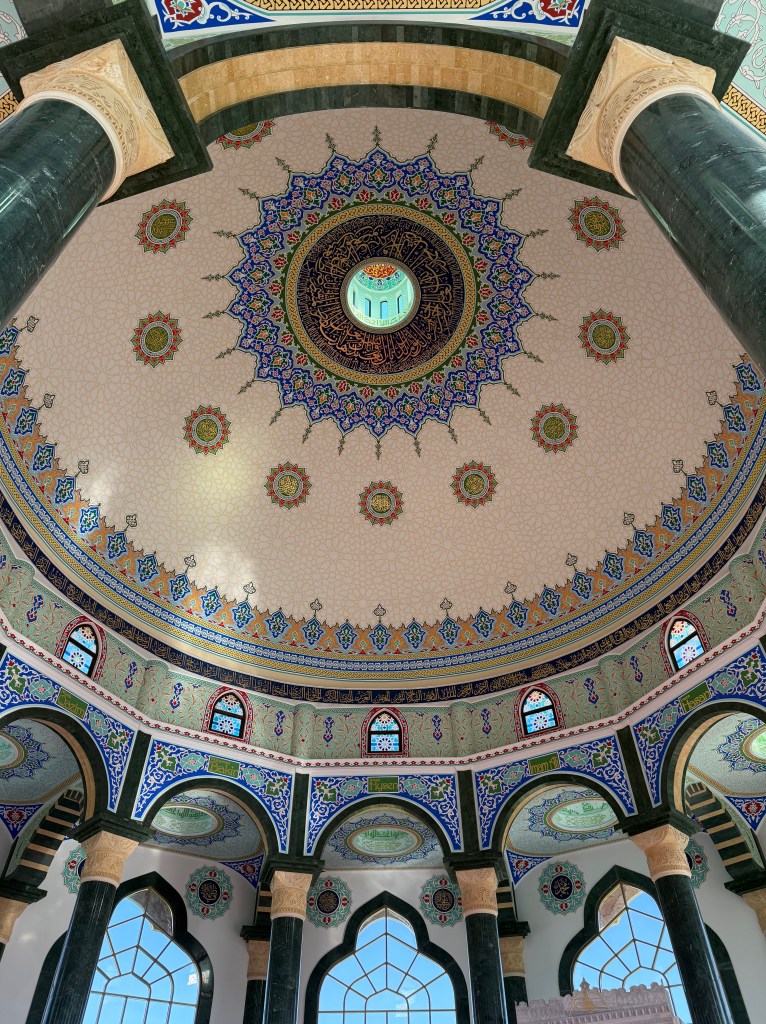
Given its location proximate to the primary seats of power back in the day, e.g., Rome and Constantinople, Albania was rarely independent state, yet many aspects of Albanian culture remain unique — the Albanian language is a good example. It kinda sounds like a mashup of Slavic and Italian — but descended from neither — instead it is thought to be from the Ilyrians, whose culture existed along the eastern Adriatic some 8,000 years ago. Very cool. Another example of Albania’s distinctive cultural identity is her religious complexion. About half are Muslim (Sunni and Baktashi, a Sufi order) and a third Christian (mostly Roman Catholic and Albanian Orthodox); acceptance and inclusion between faiths is high, with mixed marriages, heterogeneous communities and participation in each other’s religious festivals common. In a world often intolerant of different beliefs, this bodes well for the Albanian people.
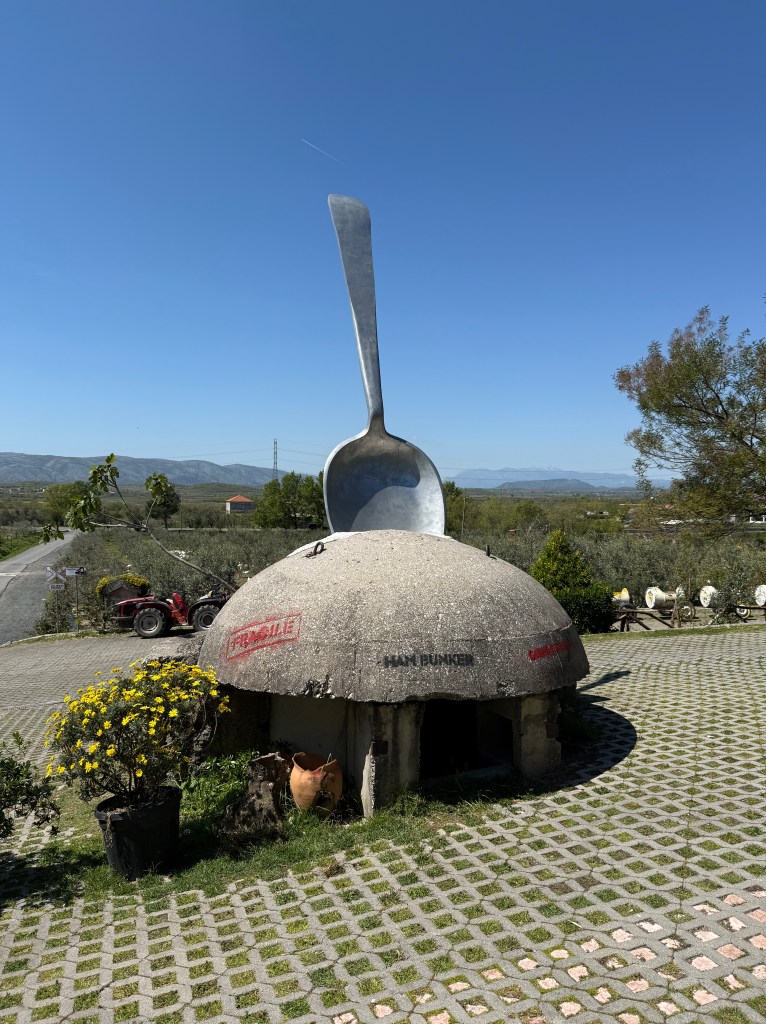
While Albania was not part of communist Yugoslavia after WWII as were all of its immediate neighbors on the Balkan Peninsula except for Greece, it was heavily communist nonetheless — maybe the most repressive communist regime since North Korea. First aligned with Russia until they were considered not communist enough, then aligned with China until Deng Xiaoping started making nice with the west, Albania became isolated and ever more totalitarian. They adopted China’s cultural revolution playbook and mixed it with East Germany’s surveillance state to create a nightmare existence for the Albanian people: Disappearances, little food, lines for everything, travel bans and you couldn’t trust anyone, even family members. A horrid way to exist.
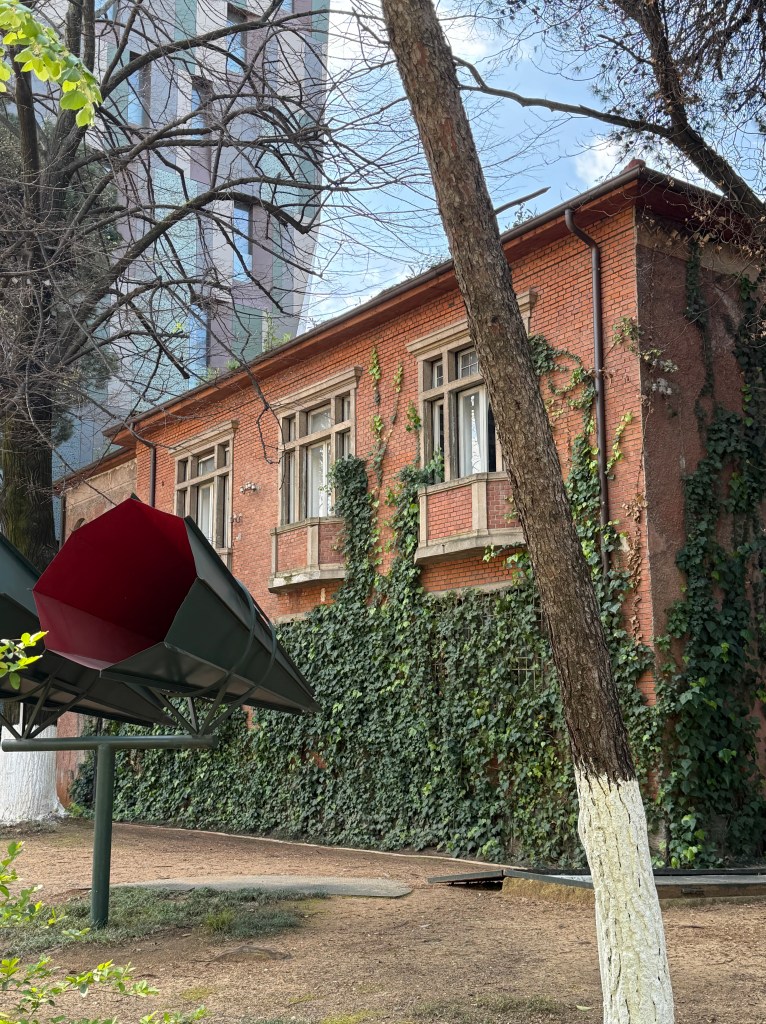
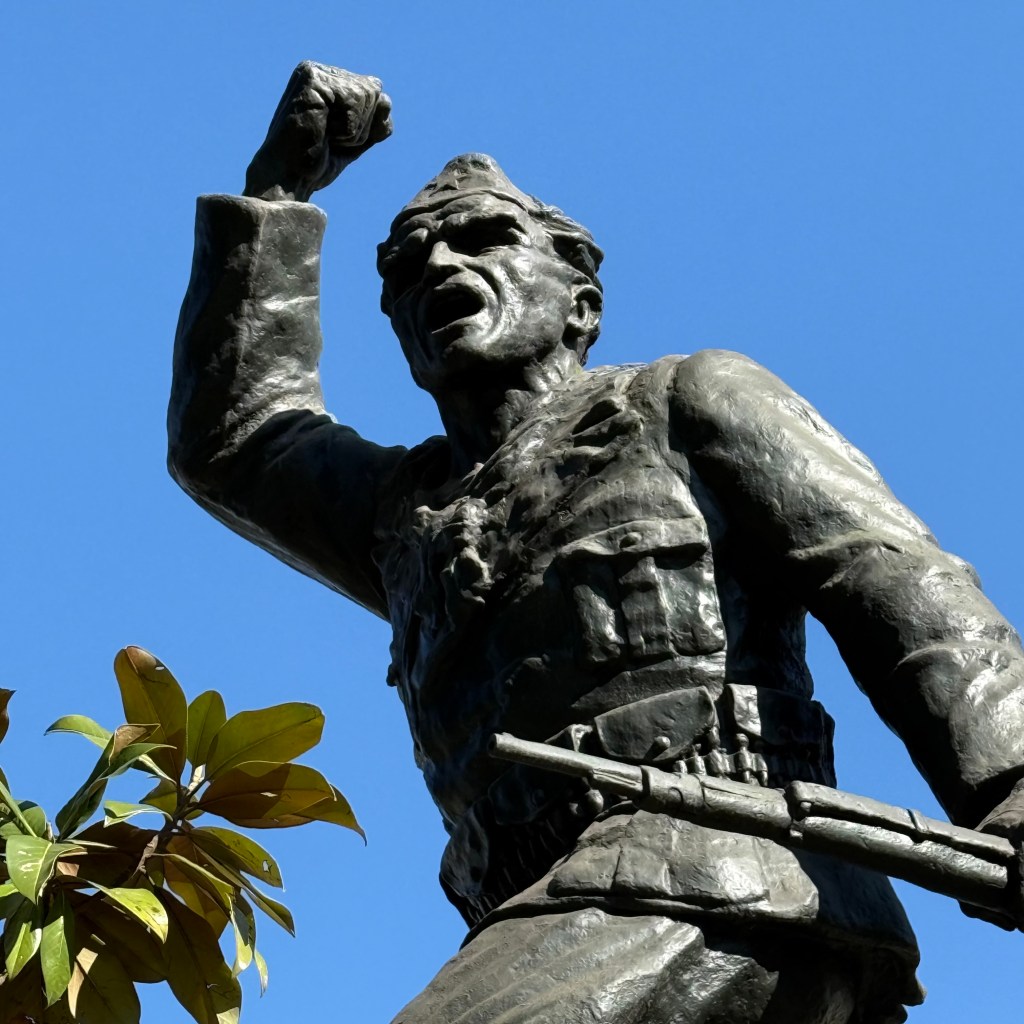
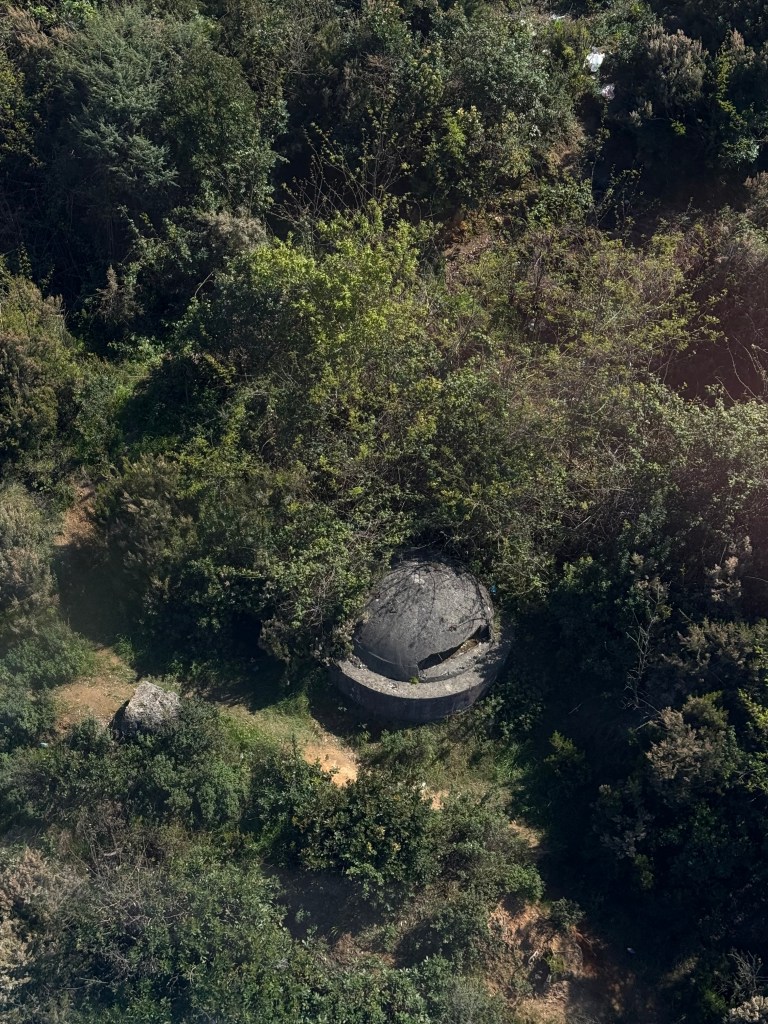
As the USSR and Yugoslavia each broke apart in the early nineties, Albania too shrugged off its communist shackles, yet the decade would prove very challenging for the fledgling democracy. In the first free elections in 1993, the socialists were voted back into power (?!) for a year. But once democrats were in power they struggled to govern well. A lax regulatory environment coupled with an entrenched culture of corruption led to a raft of quasi-official foundations offering what were essentially pyramid schemes to the public. Of course, these schemes eventually fell apart, leading to financial ruin for many and a months-long civil war in the late 90s that required UN assistance to resolve.
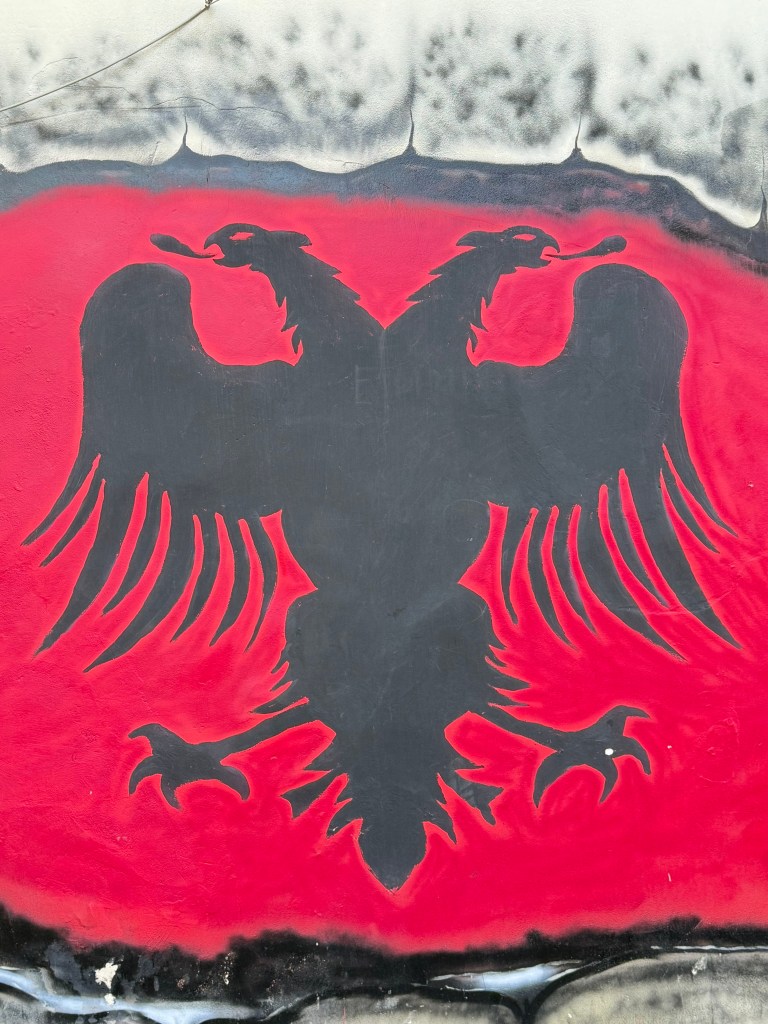
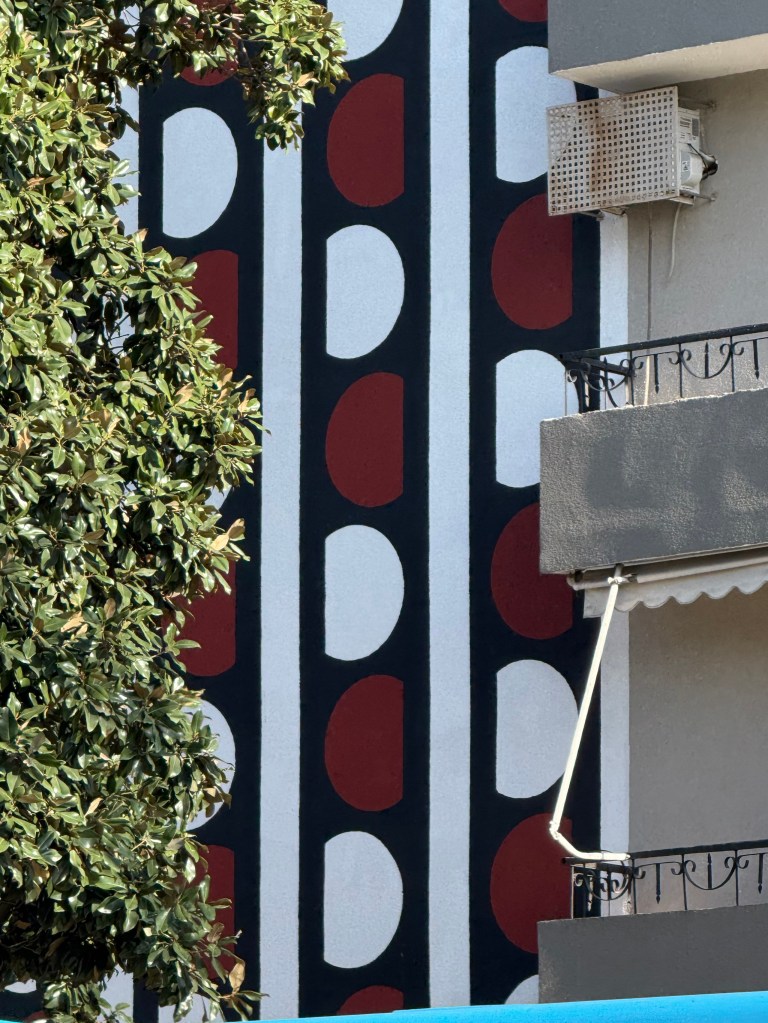
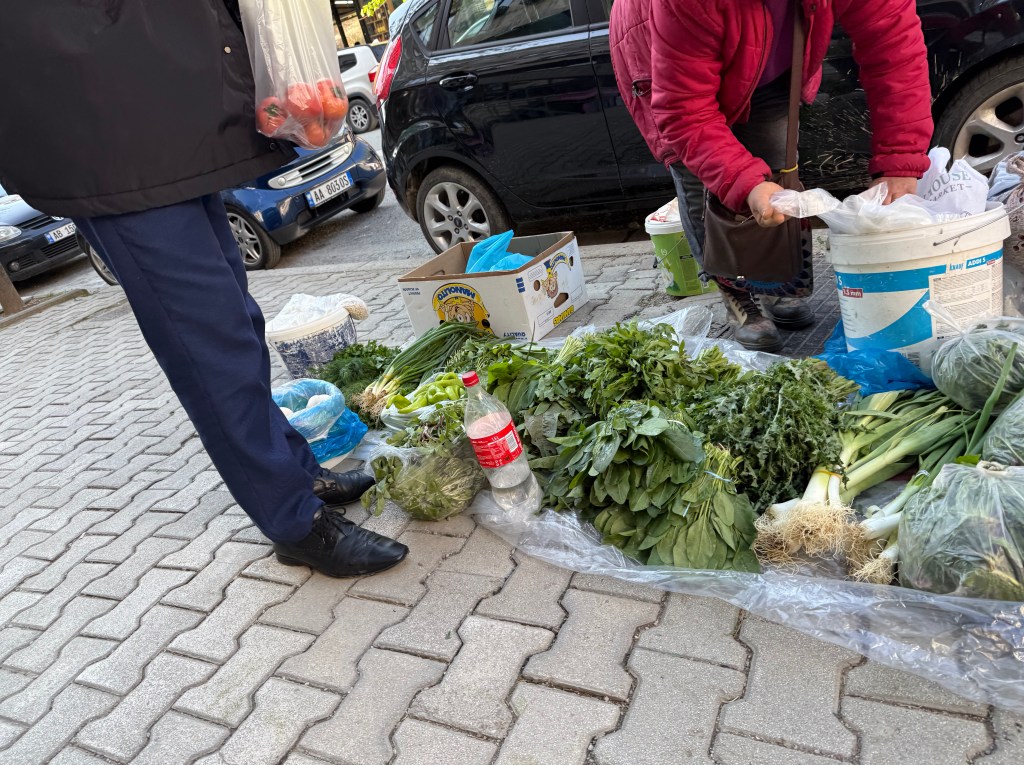
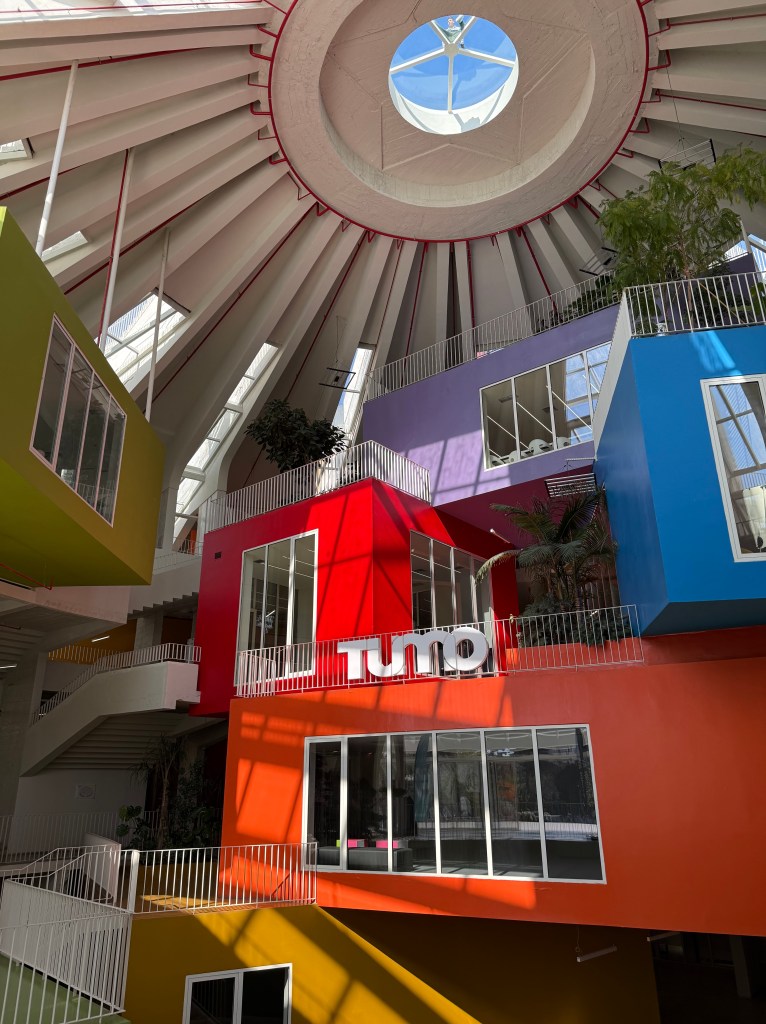
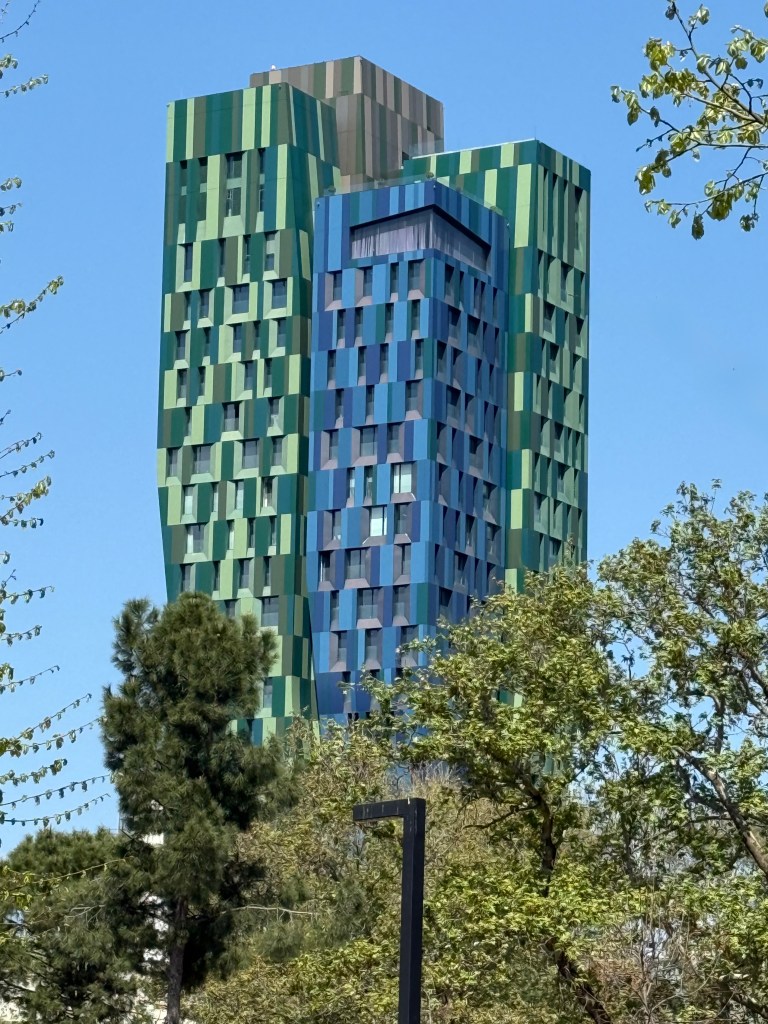
In this new century, things are getting better for Albanians. While the country’s population growth rate has been negative since communism ended 30 years ago, primarily due to emigration, that trend is slowing and unemployment has been improving gradually as well. Albania joined NATO fifteen years ago and is seeking membership in the EU in the 2030s timeframe. It is still tough for many people, corruption is still an issue and folks continue to seek economic opportunities elsewhere such as in Greece, Italy or (formerly) the U.S., but there is also a cautiously optimistic attitude prevailing amongst most Albanians today. In wandering around the neighborhoods of the capital, Tirana, I notice mostly smiles and friendly interactions between people — one of my informal measures of public contentedness.
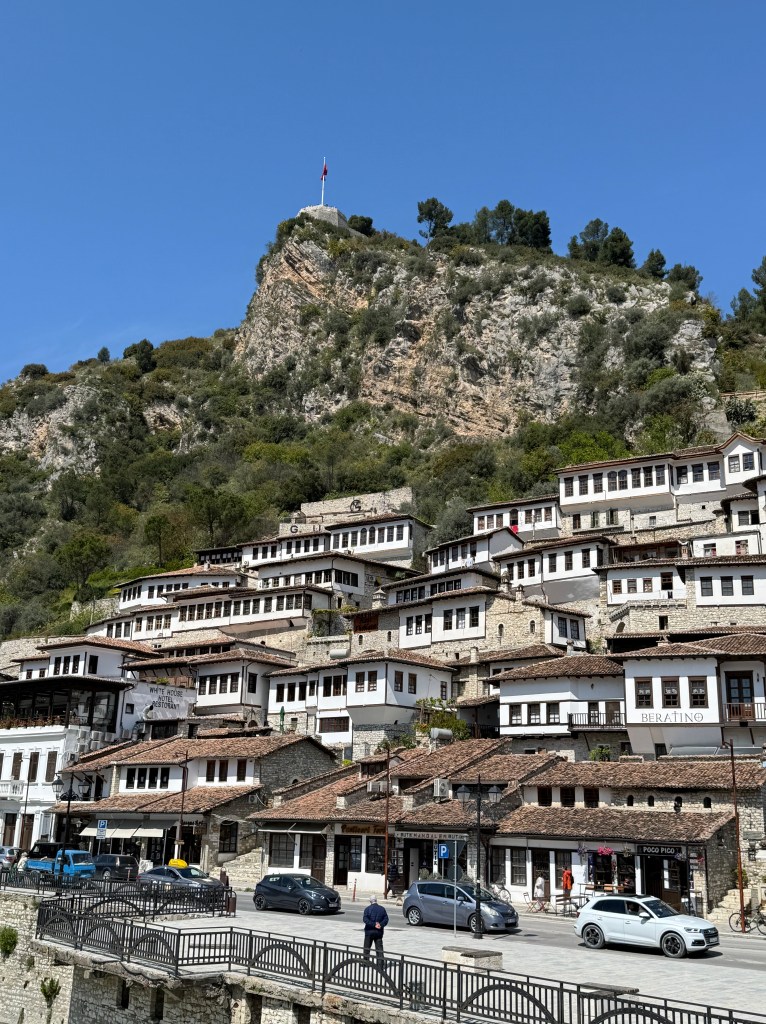
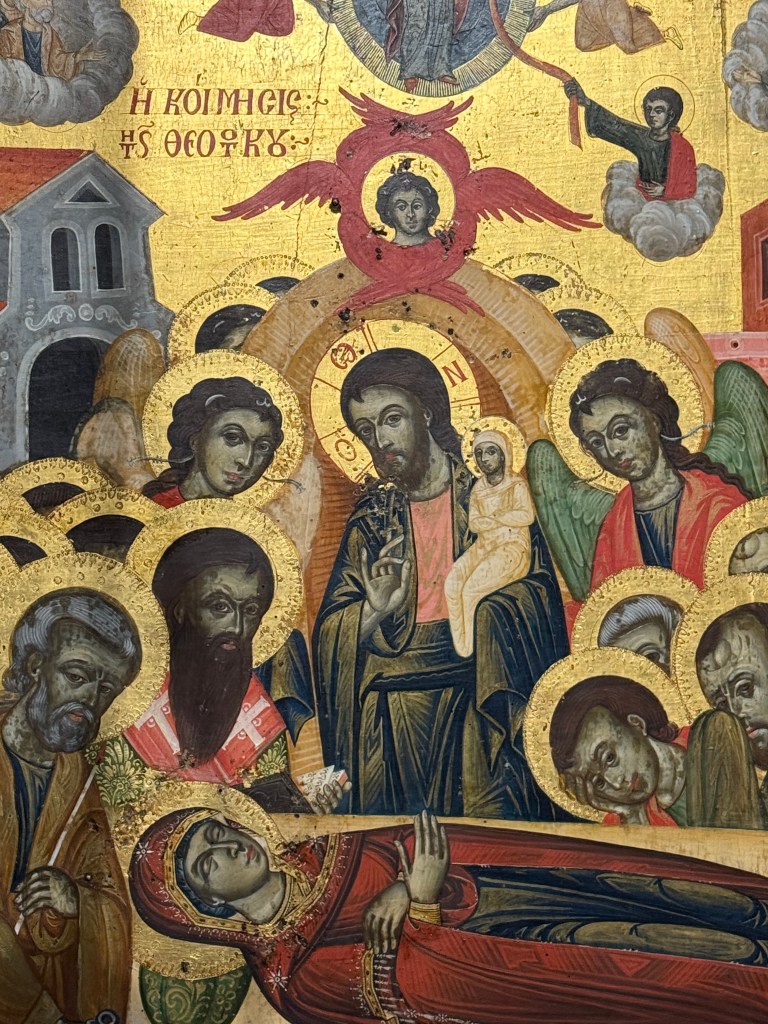
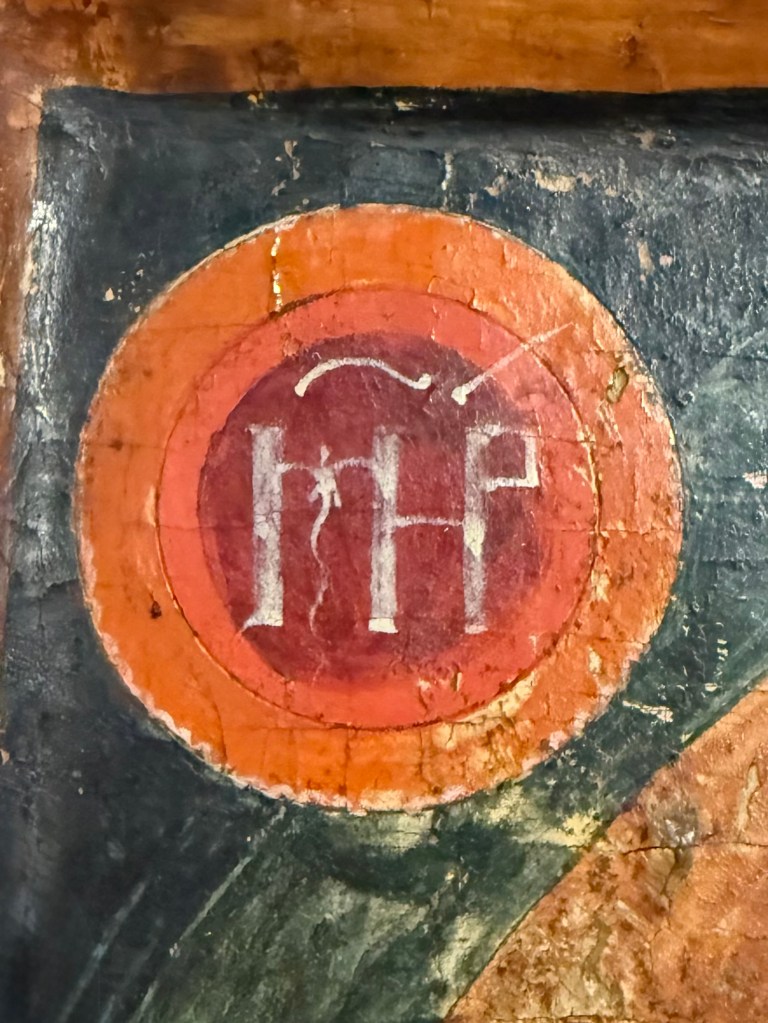
A number of our group visited the town of Berat, a UNESCO-listed site a couple of hours to the south of Tirana. Also known as the Town of a Thousand Windows, the city’s hilltop castle is home to the lovely Iconographic Museum within the Church of the Dormition of St Mary.
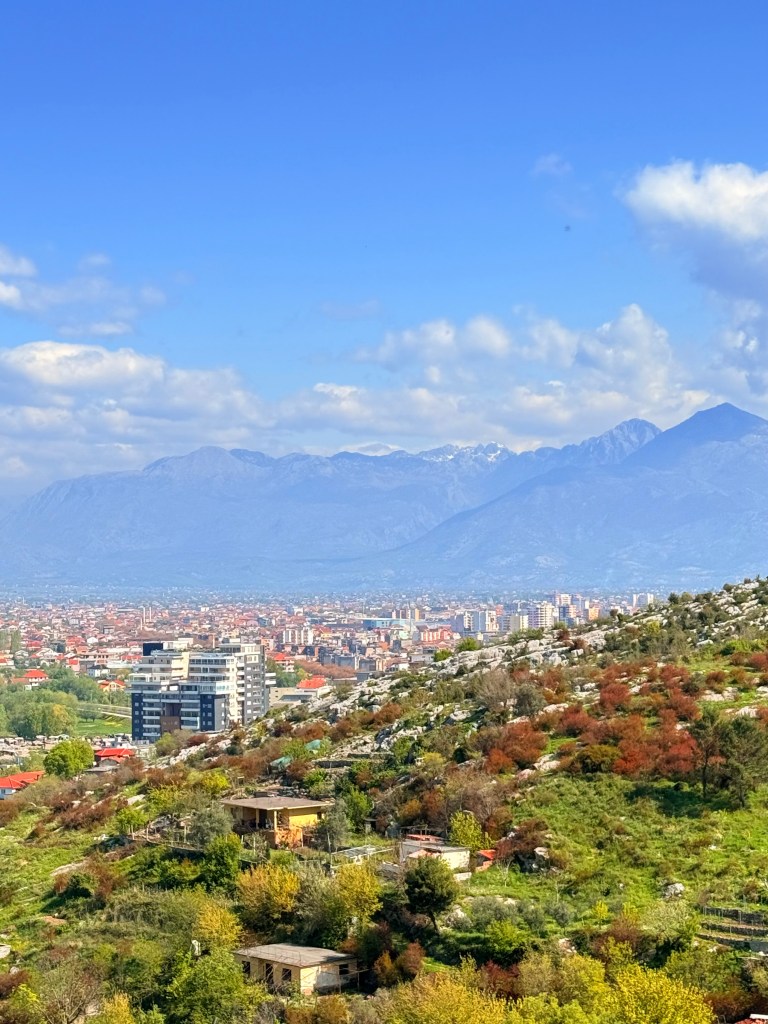
We also spent a couple of days in the city of Shkoder, situated at the south end of Lake Shkoder, which Albania shares with its northern neighbor, Montenegro. That Albania is a religiously pluralistic community was enunciated here: a mosque, an Orthodox church and a Catholic church were each within a block radius of our hotel. Shkoder also has its obligatory hilltop fortress, from which glorious views of the Albanian Alps may again be enjoyed.
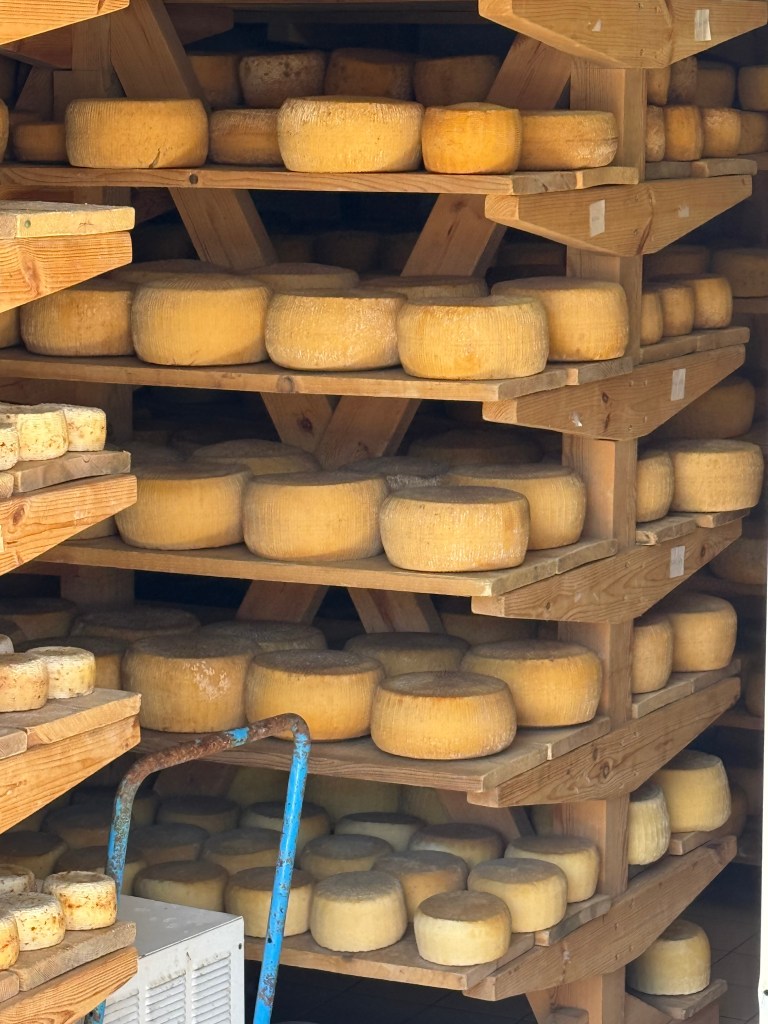
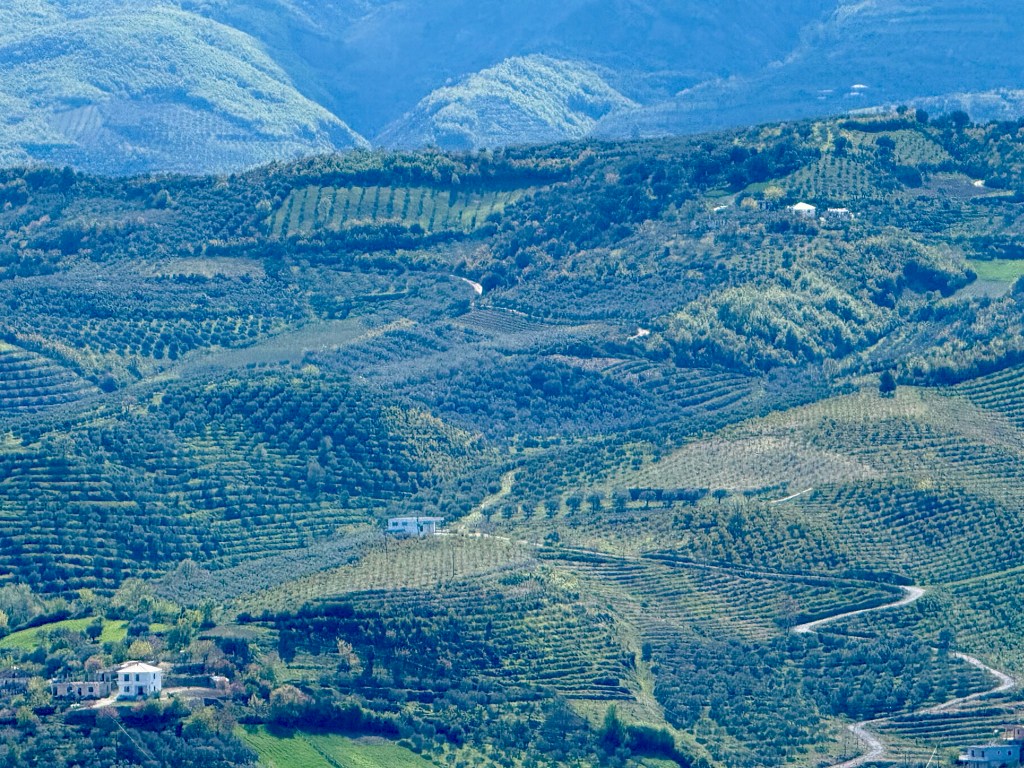
As we drove from Tirana to Shkoder, we stopped at an agrotourism area where we visited a pottery studio and a farm where they produce cheese, wine, jams and such. I really enjoy seeing the processes, and meeting the people, that are responsible for the foods we enjoy. We also learned how, as communism ended, the collectivized farms were distributed back not to the original land owners but to those that had been working the land. That, in and of itself, isn’t necessarily a bad choice, but the unintended consequence was a gazillion small farms that prevented any economies of scale; it is difficult for a single farmer to afford to mechanize. Multiple farmers could collaborate to do so (which is common in other lands) but with the bitter memories of communist collectivism still fresh in their psyches, few farmers were willing to do so. This go-it-yourself approach is now being left behind but it set back agricultural production over the past couple of decades.
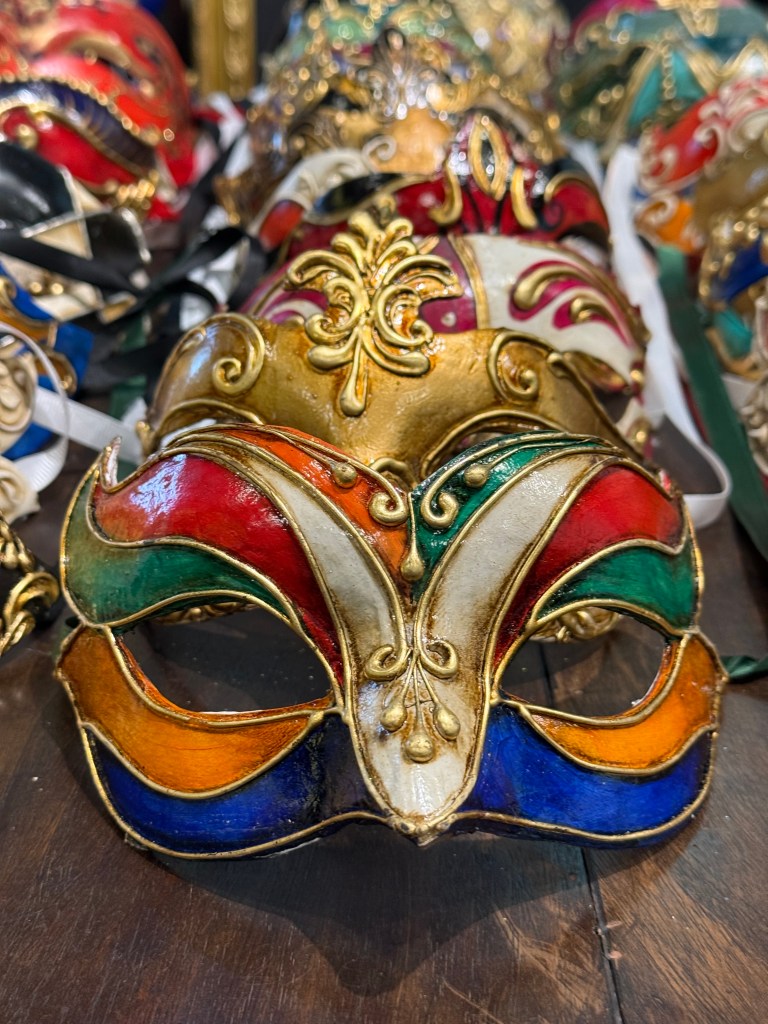
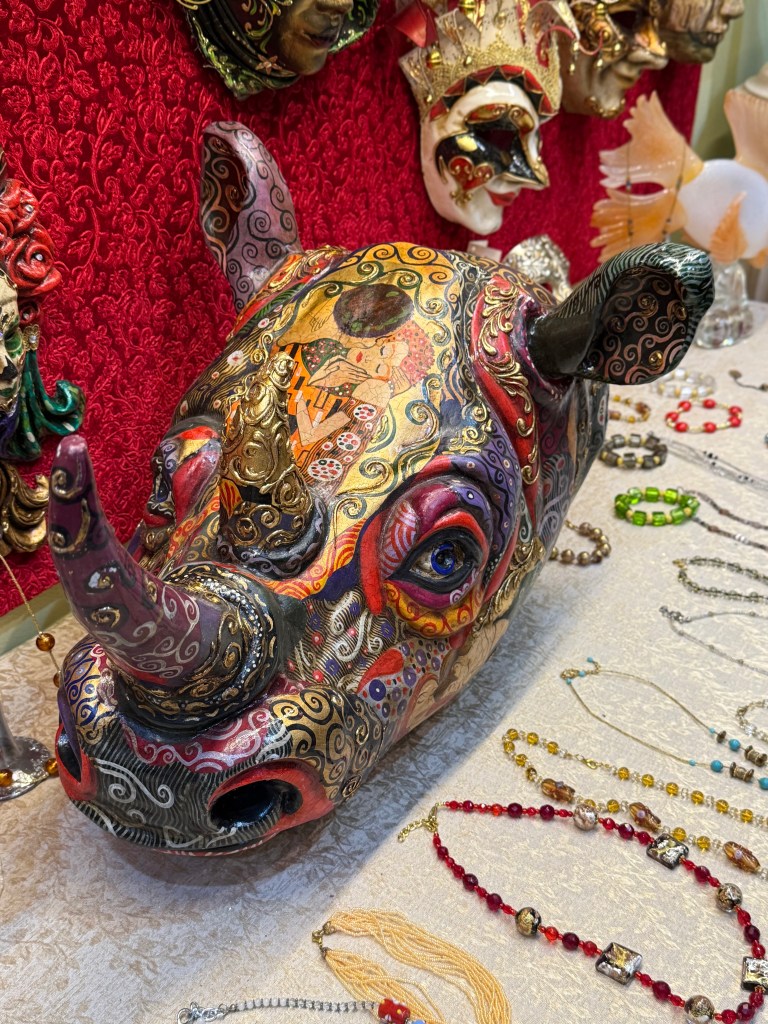
Outside of Shkoder is the Venice Art Mask Factory, a company that designs and fabricates the masks that are emblematic of Carnival in Venice. We visited the (no photos please) workshop where they make the papier mâché masks in customized forms and paint and decorate by hand. And no two are alike. So cool. Fortunately, photos were ok at their retail shop…
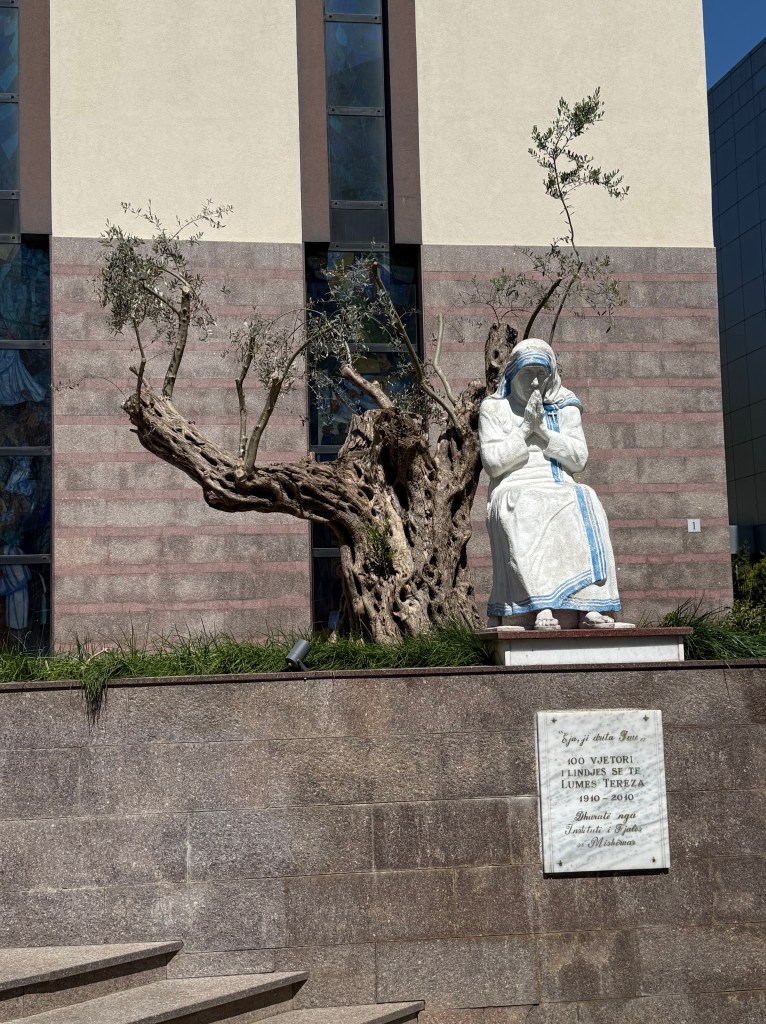
The US is much loved by Albanians, especially because many consider their country’s existence is due to President Woodrow Wilson’s determined efforts to thwart a plan to divide the country between Greece and Italy as map lines were being redrawn in the aftermath of WWI. Our guide related that there are still many men called “Vilson” in Albania. The country is also known for some recognizable names: John Belushi’s dad emigrated to the US from Albania (and is said to be the inspiration for his “Cheeseburger, cheeseburger” character); singer Dua Lipa’s parents are Albanian; and Mother Teresa was born into an Albanian family in what is now North Macedonia.
Clearly the country is in its “growing pains” phase as it steps out of its self-imposed isolation and onto the world stage. Albania certainly has a lot going for it: kind and determined people, stunning natural beauty, and rich history and cultural traditions. Come visit!
 Vernaculae
Leave a comment