
Zanzibar, once better known as the Spice Islands, is a fond memory since my youth. I still remember being in fifth grade and learning about Zanzibar — it sounded so far away and exotic and I wished to go there someday. In truth, by the time I learned of Zanzibar, it had already merged with Tanganyika to become the newly named country of Tanzania, but information flows were slower back in the mid-sixties and I forgive my geography text for being outdated — many countries in Africa were freshly experiencing post-colonial life back then. I also recall a vague feeling of disappointment upon learning Tanganyika was being renamed — mostly because I liked the sound of Tanganyika — so I was pleasantly surprised to learn recently that Tanzania is a portmanteau of TANganyika and ZANzibar, (along with the common country suffix -ia, meaning “land of”.) Cool!
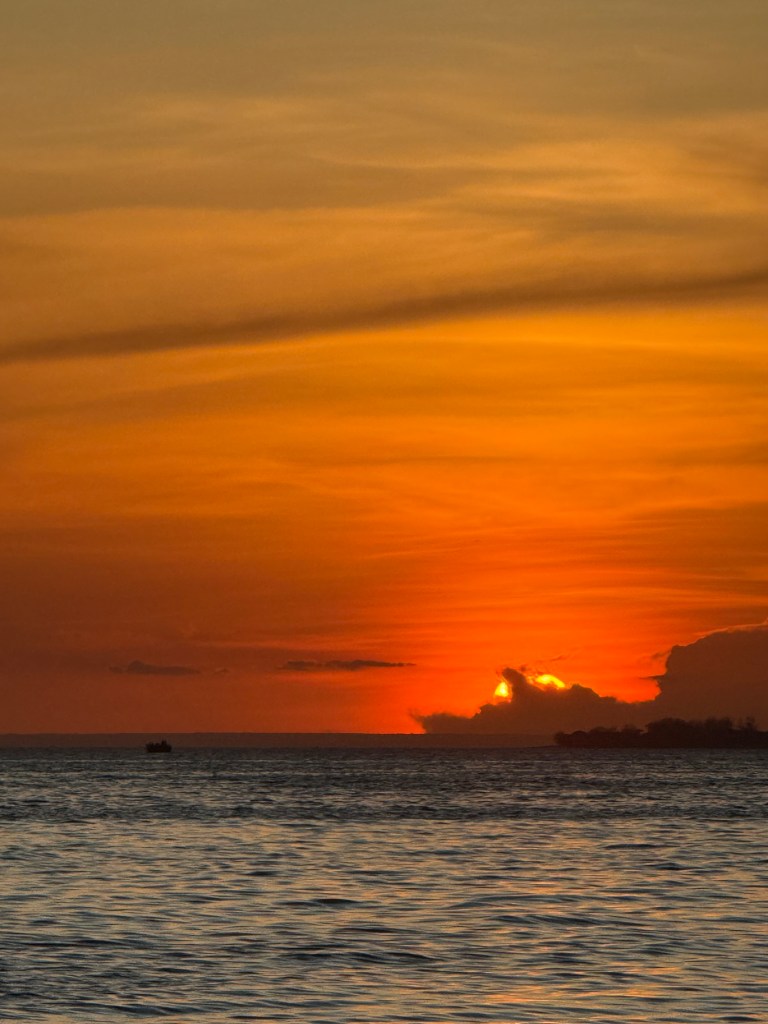
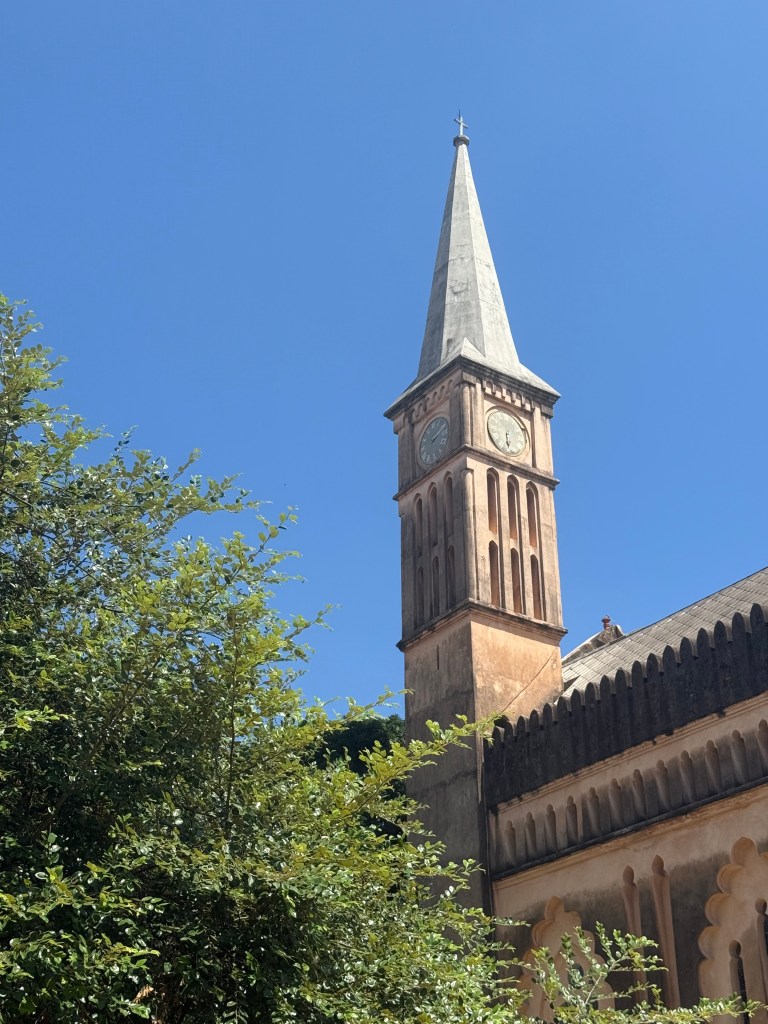
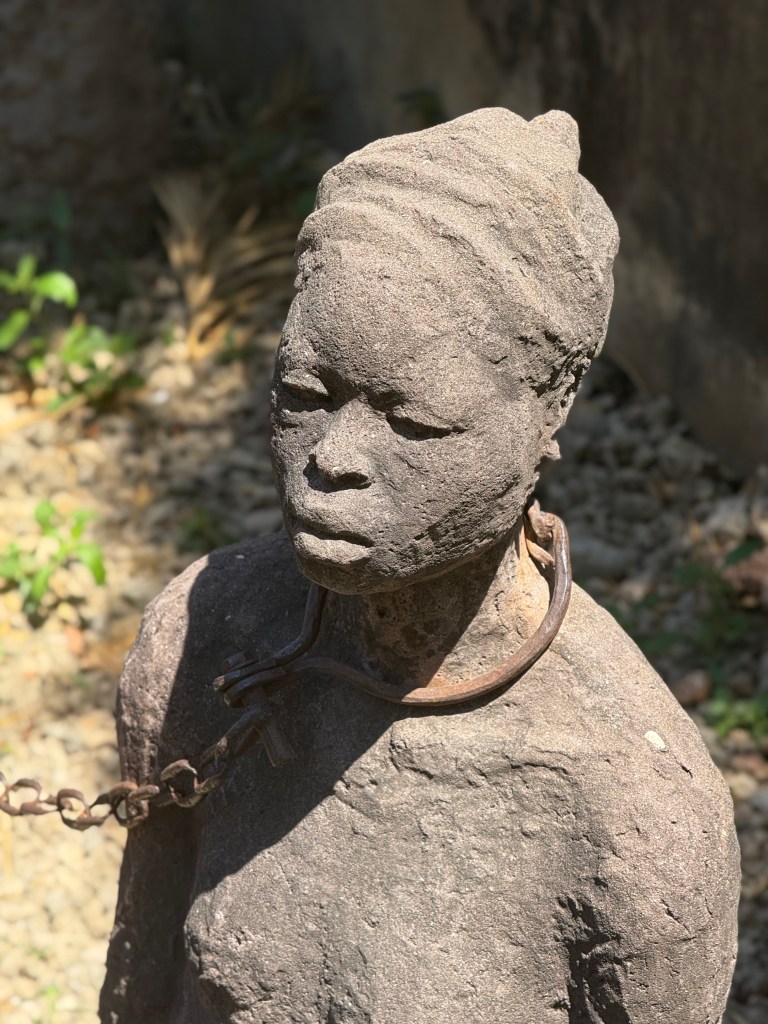
Lying just off the coast of mainland Tanzania, and 6 degrees south of the equator, Zanzibar is an archipelago of dozens of islands, just two of which are widely inhabited. Spices are still an economic driver, as is tourism, and Zanzibar has been an international trading port for ages. It was a stop on the seasonal trade routes around the Indian Ocean and was a major nexus in the eastern slave trade, which supplied primarily the Arab world, yet it was part of the human supply chain for the new world as well (yet more stories of American slavery about which I was not taught in school…) I do love how an Anglican Cathedral is built on the exact spot of the slave market, though.
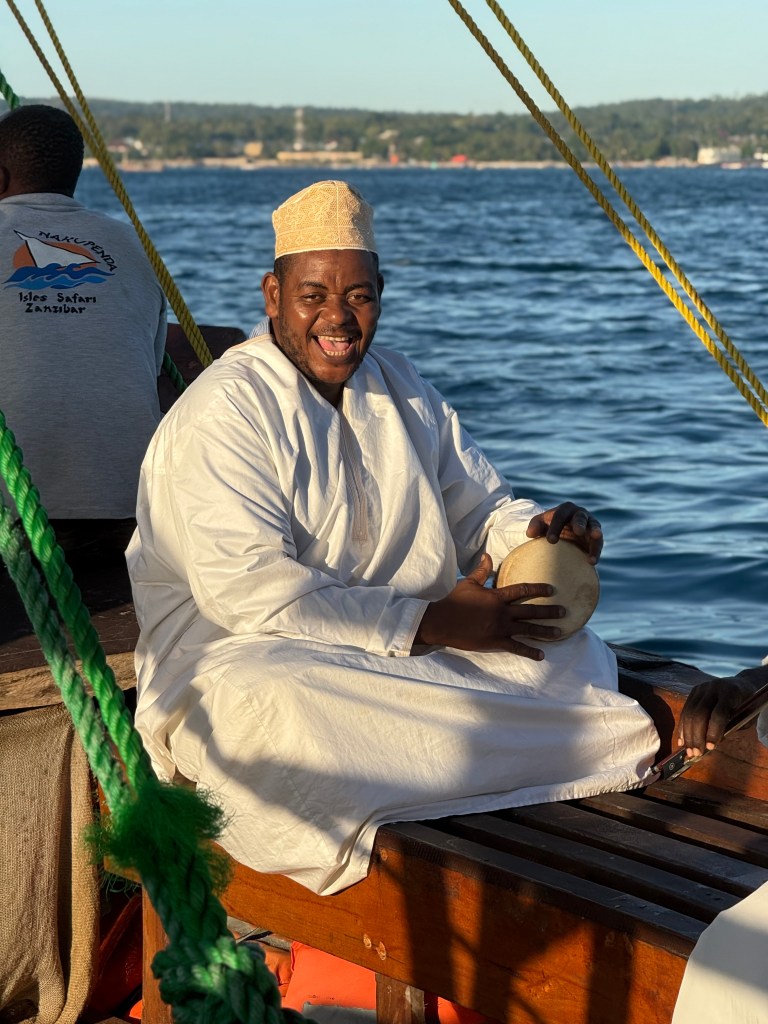
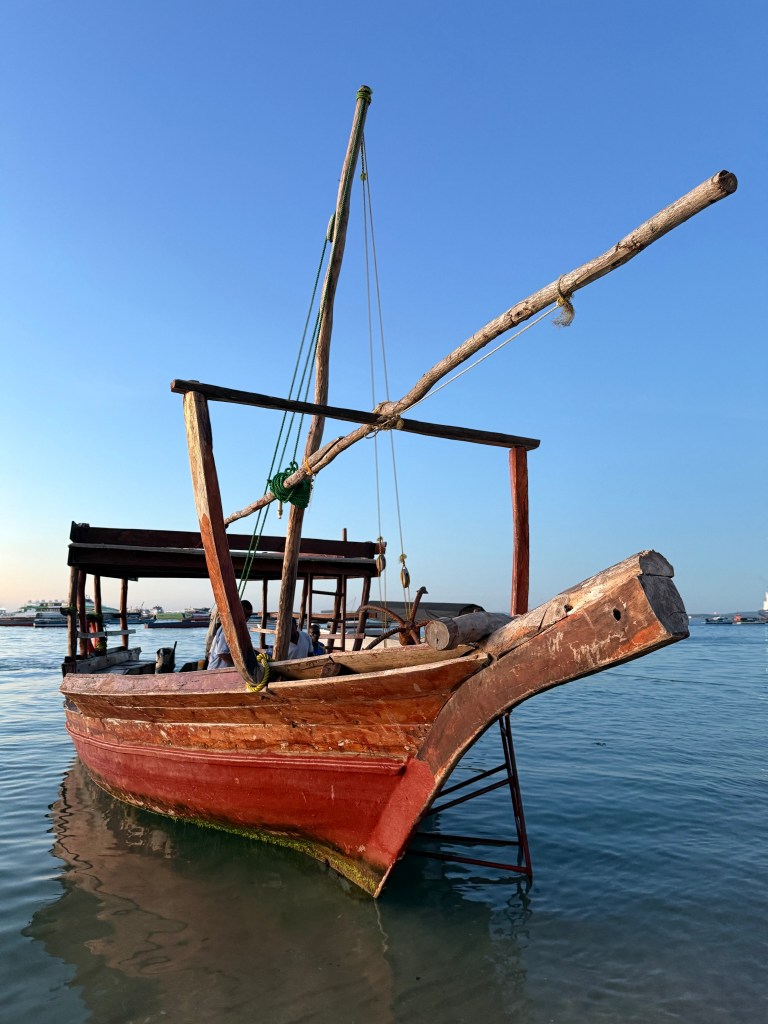
It was interesting wandering the markets and narrow alleys, soaking up the slow pace of life in the hot and humid sea air; quite the change from the previous couple of weeks in the dry, 8,500’+ environs of Ethiopia. We also took an evening cruise on a dhow, the traditional wooden sailboat that formed the backbone of Indian Ocean trade for centuries, with routes and schedules dependent on seasonal wind patterns.
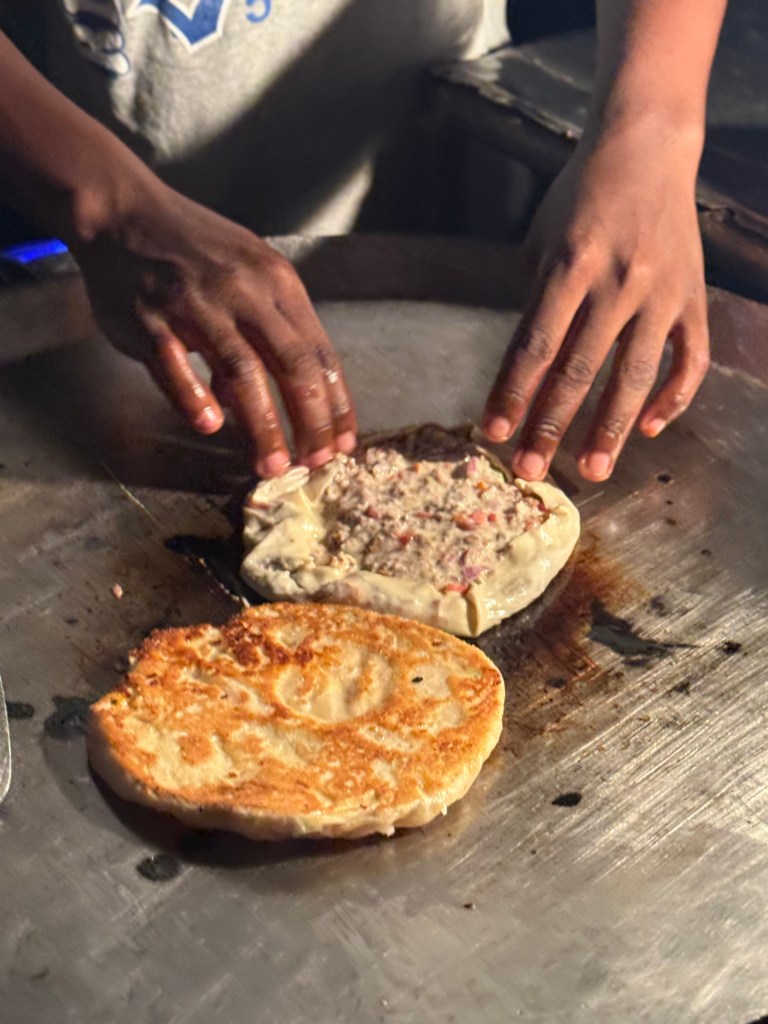
We also had an opportunity to visit the night market in Stone Town, the historic center of Zanzibar city. The market, overlooking the harbor, was a scaled back version because, it being Ramadan (and Zanzibar is 95% Muslim), many vendors and customers alike were at home breaking their fasts. Nonetheless, it is always fun to see local nuances in such markets. F’rinstance: the sugarcane juice process where the lime and ginger are crushed alongside the cane stalks, then cooled by seeping over a large block of ice, mmm… Or the Zanzibar Pizza — handmade to your specs and cooked before your eyes, quite yumidelic and you’ll only find it here.
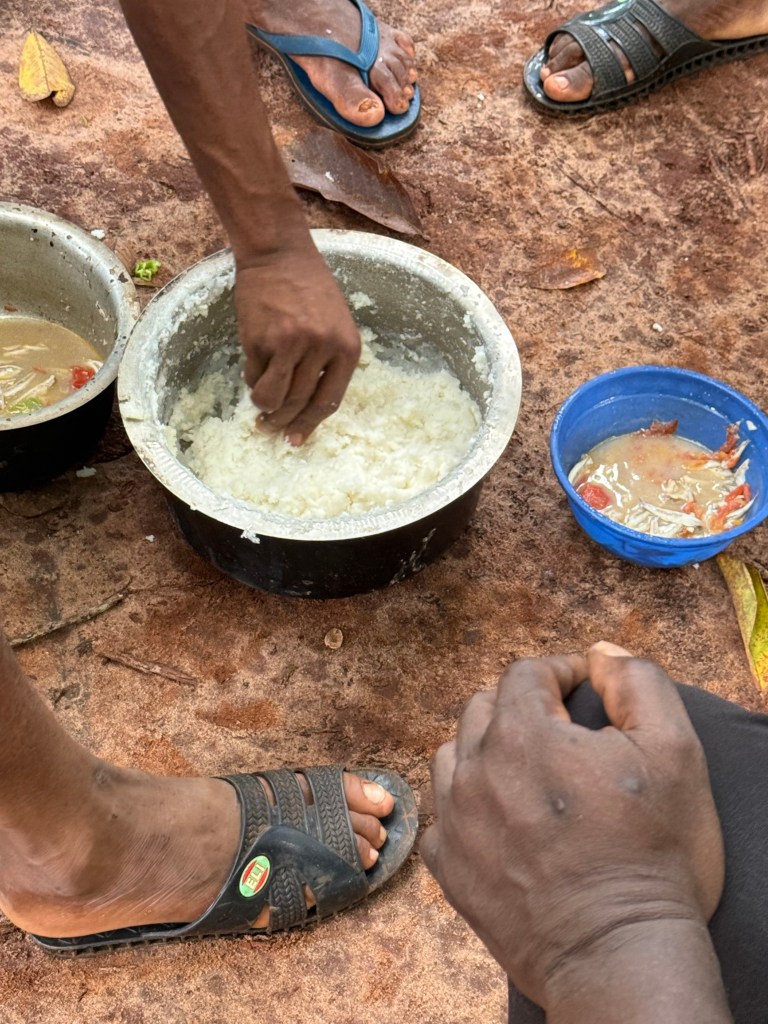
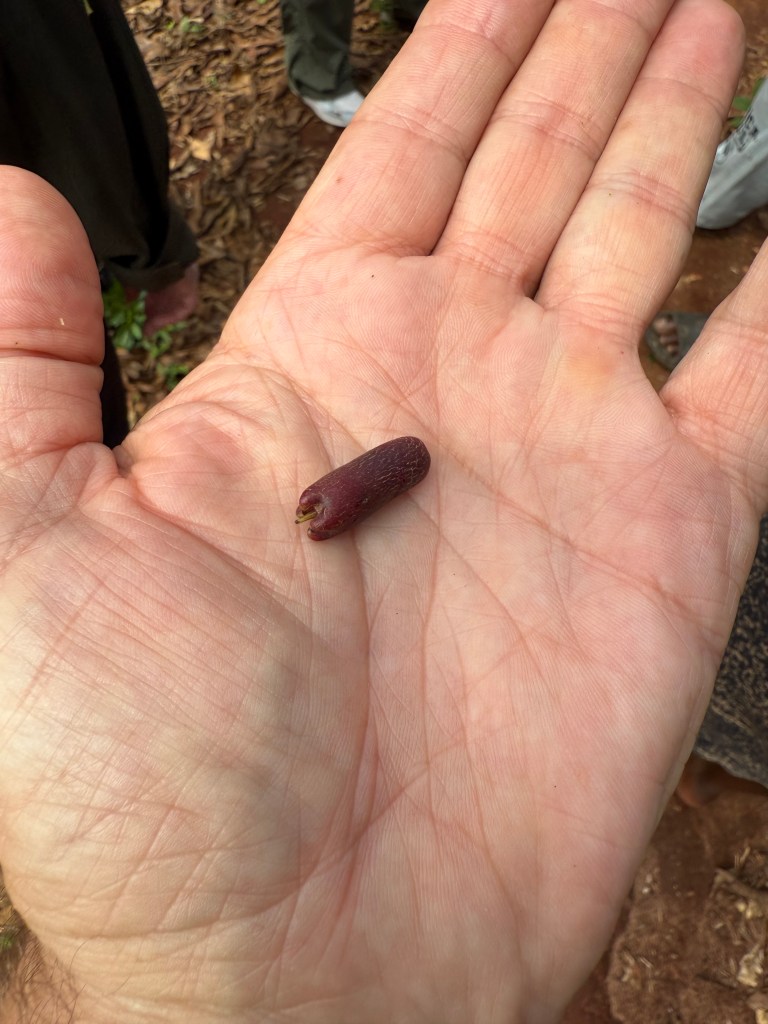
Since I first knew of this place as the Spice Islands, it is fitting that our time here included a visit to a spice farm. Cardamom (seed pods grow from the base of this ginger-ish plant), clove (French term means ‘nail of the tree’ – apt), lemongrass (used as much for medicine as for food around the around the world), cinnamon (here they practice sustainable bark harvesting 👍), vanilla (its the fruit of an orchid plant), nutmeg (takes 20 years to produce seeds for harvest), plus other aromatics and lush fruits. As cool as that was, it was even better when, after I exhibited some (inherent) curiosity about some breakfast that a few of the farm workers were sharing (ugali, aka millipop, is basically polenta) and they invited me to share, which I did and ended up going back for fifths, it was so good. Served with a simple dipping soup of fresh anchovies, lime and tomato, the blandness of the ugali is an ideal counterpoint to the piquancy of the soup/dip. Unscripted moments such as this tend to be my most fond memories.
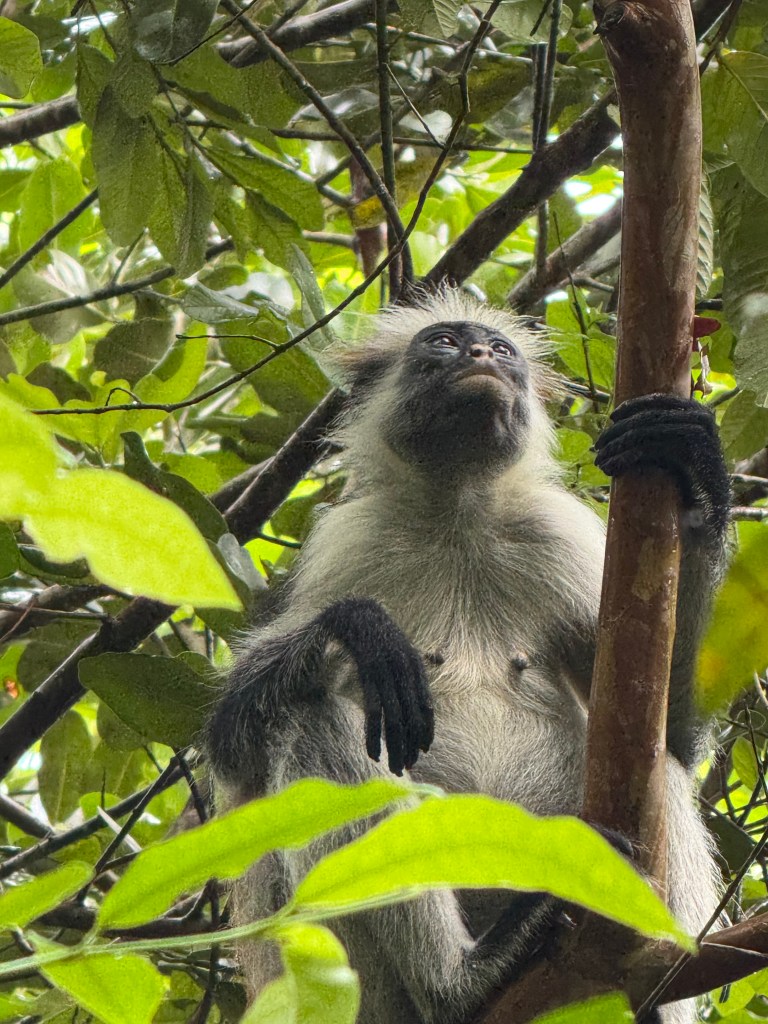
The center of the island is home to Jozani Forest, a national park and UNESCO biosphere, with large red mahogany forests, mangrove swamps and the only-found-here Red Colobus Monkey, a somewhat reclusive, yet adorable primate. But just walking in these magnificent forests is rejuvenating, with the unfamiliar birds and unique plants providing welcome kindling, stoking the exotic memories of my youth.
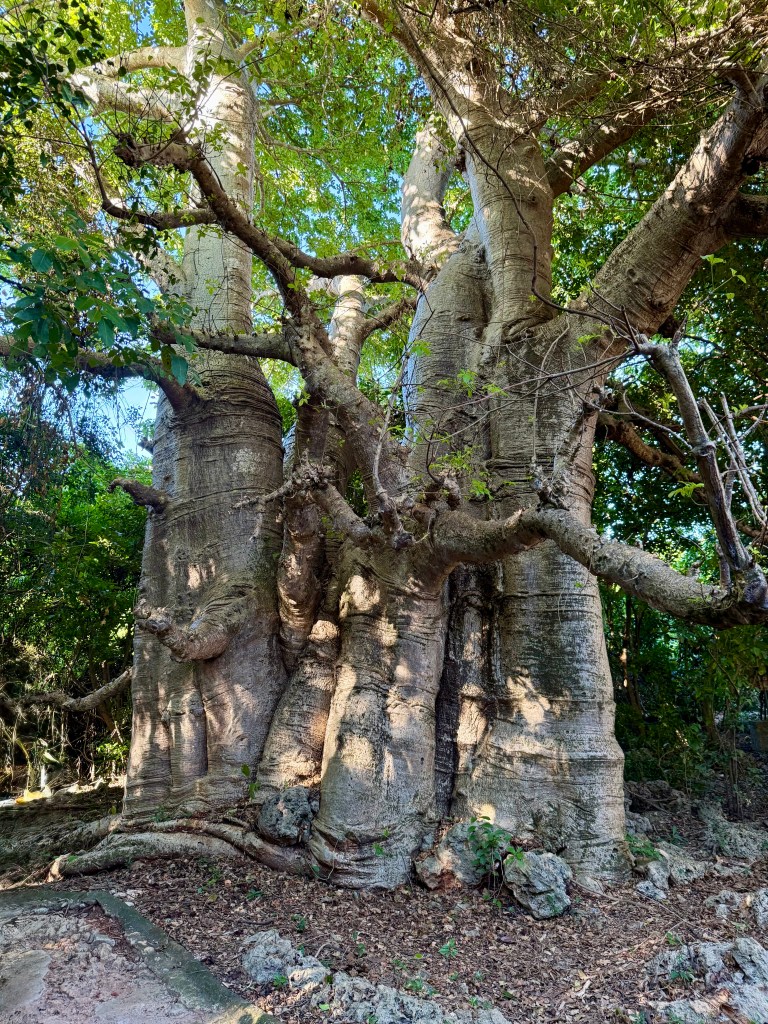
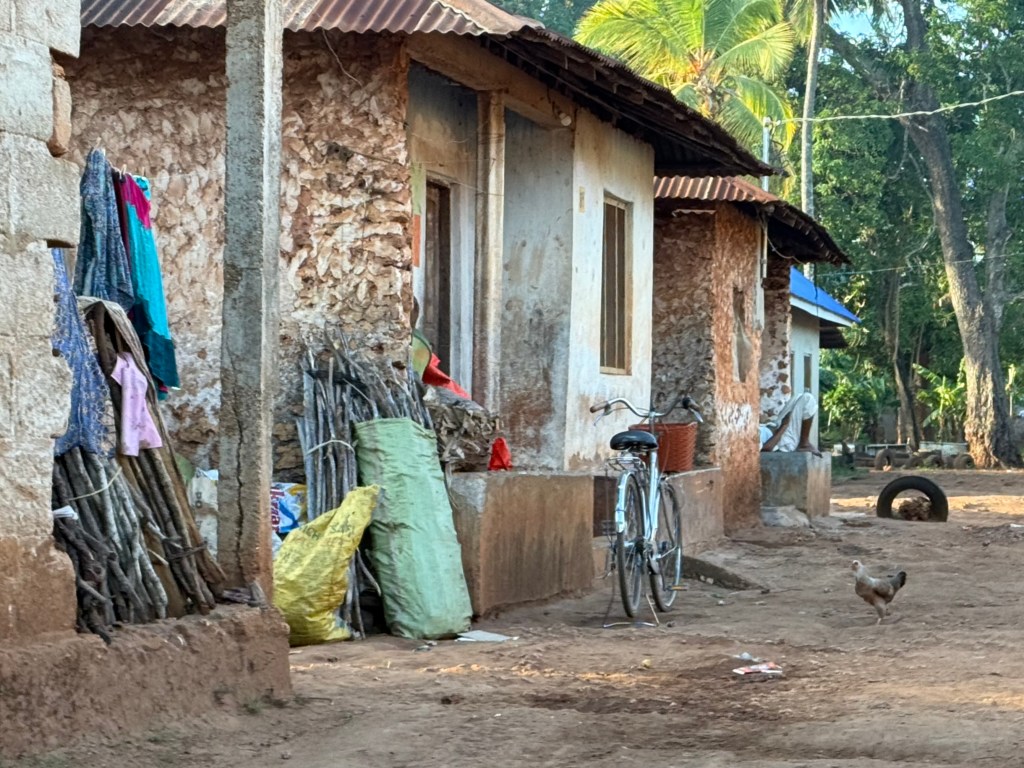
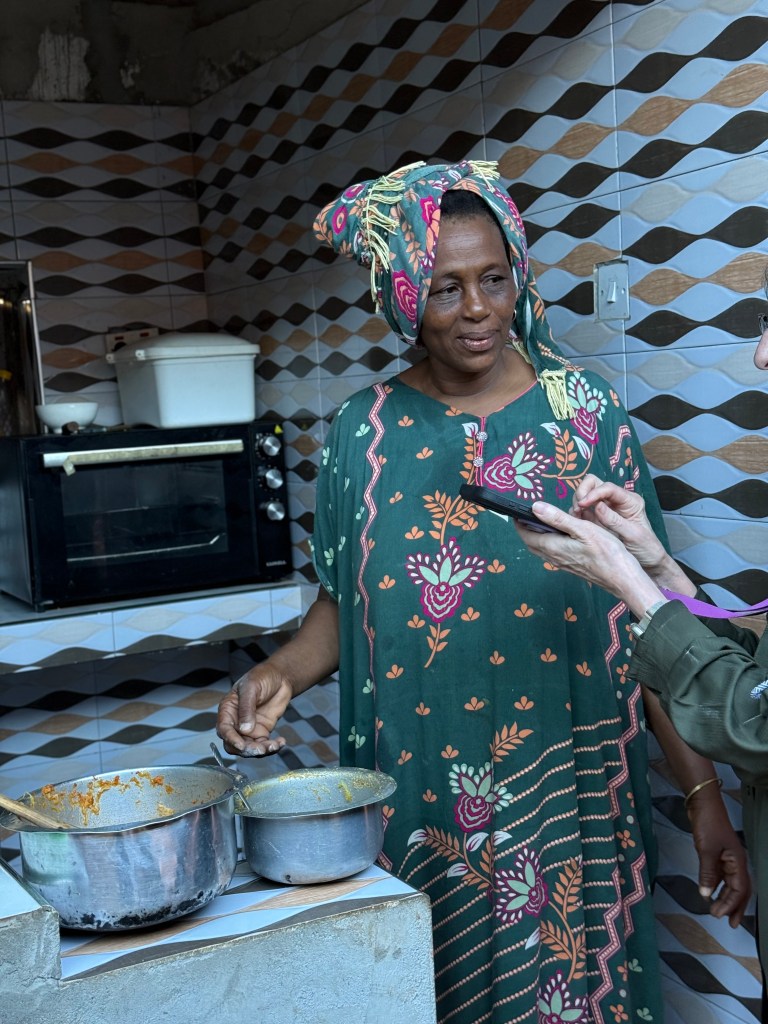
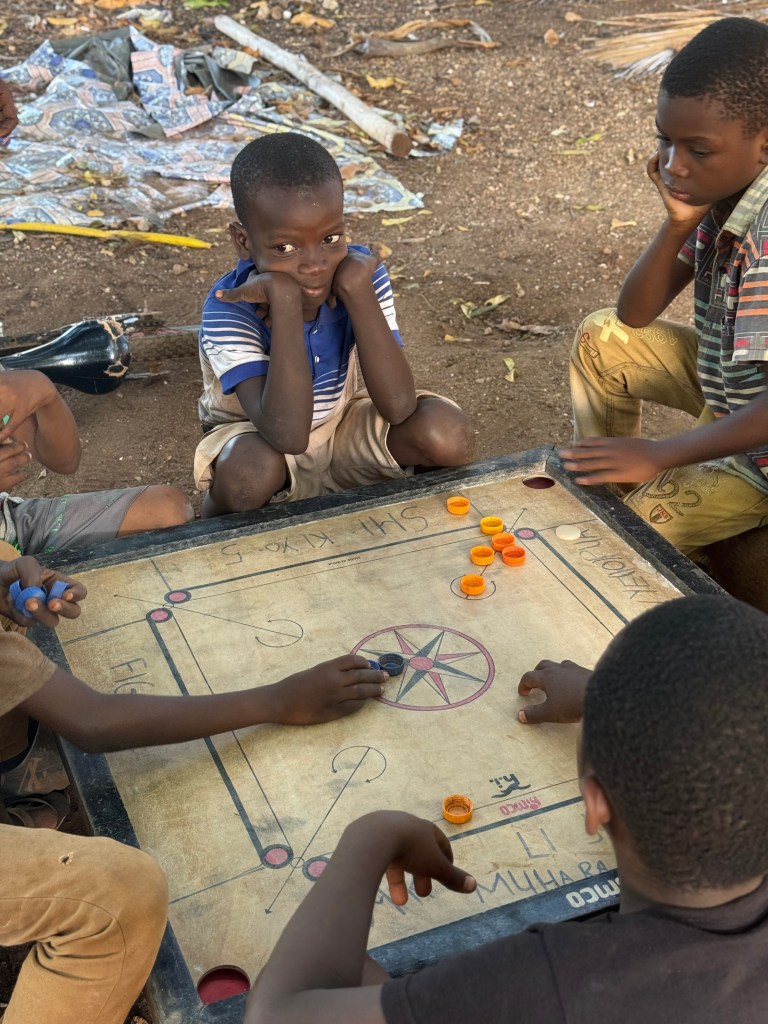
We moved to a seaside ecolodge at the south end of Unguja, the main island (aka Zanzibar Island), replete with the most amazing baobab trees and resident monkeys, and proximate to a medium-sized village. During a group walk thru town one evening we happened on a group of boys playing carrom (it’s kind of a weird mashup between paper football and checkers??) which, in total coinky-dink fashion, is a game I played and loved when I was their age. It was yet another most welcome touchpoint with my youth. We also ran into a local woman who was so very proud of her garden outside of her house that she showed us all around, talking so fast that our guide couldn’t even translate, then she brought us inside to show us the food she was making for dinner (it was ugali, of course.) Her joy about life and sharing her joy with her impromptu visitors was contagious. Hakuna Matata indeed.
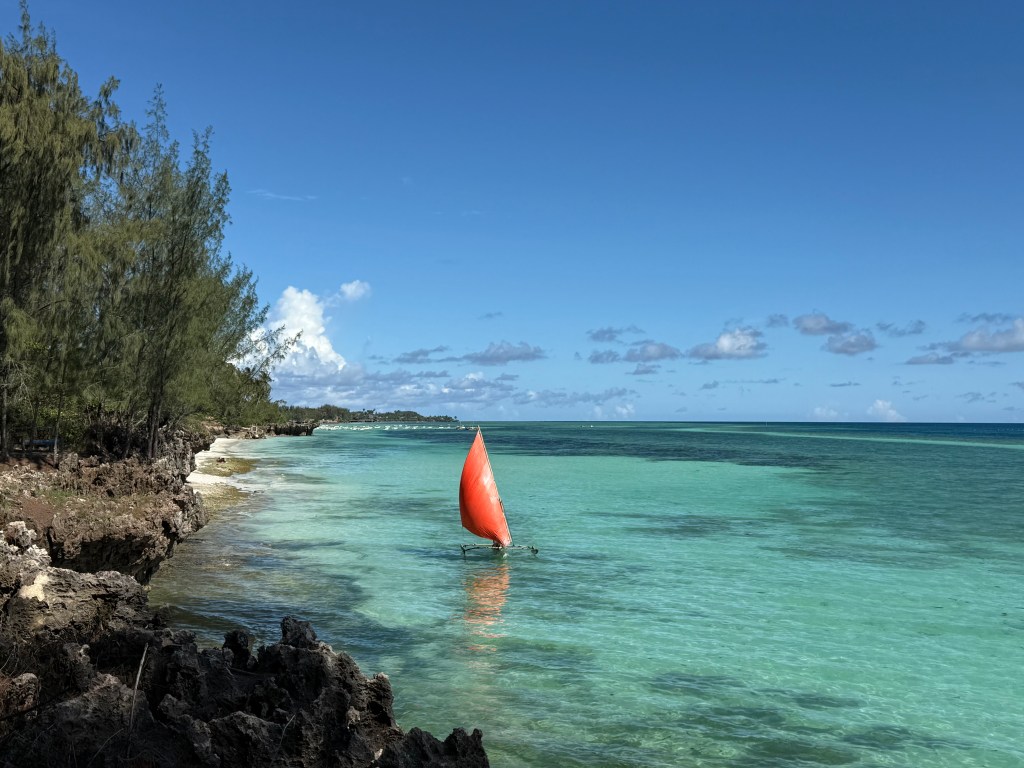
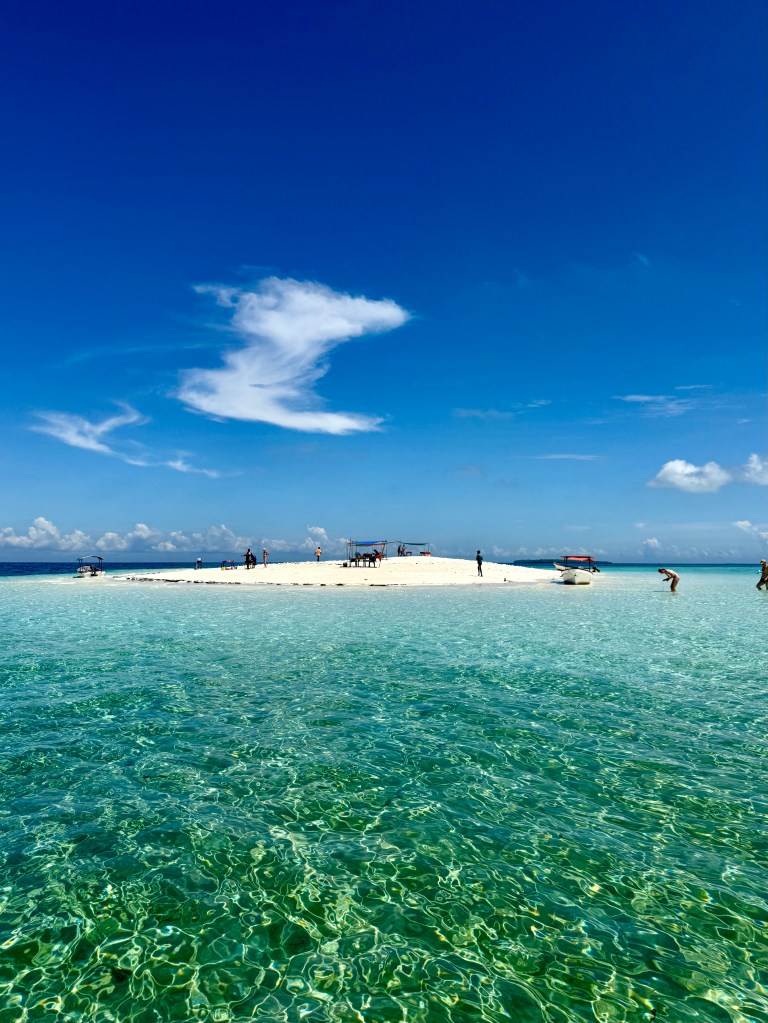
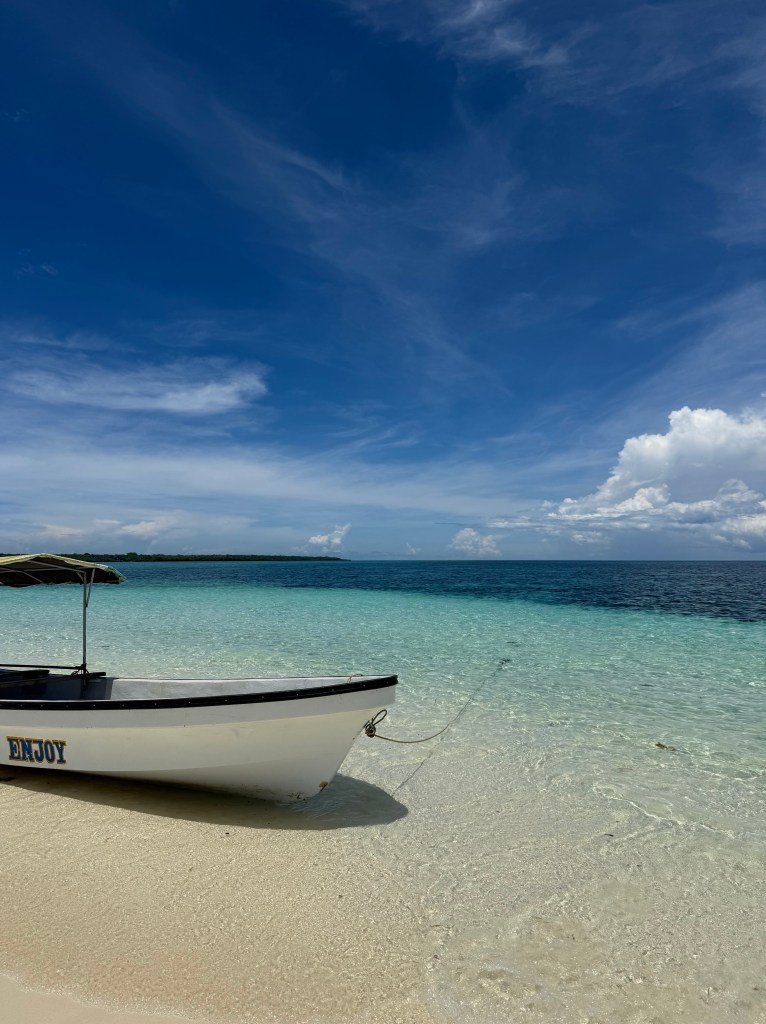
The next day we took small boat out about 45 minutes to a snorkel spot adjacent to one of the dozens of small, uninhabited islands that make up the Zanzibar archipelago. It was amazing: warm, clear water; massive coral formations; colorful fish in multitudes…a terrific experience. And to have a bespoke bbq lunch on a nearby tidal sand islet (not much bigger than a tennis court), not to mention great shelling on said islet, it was a most fine day.
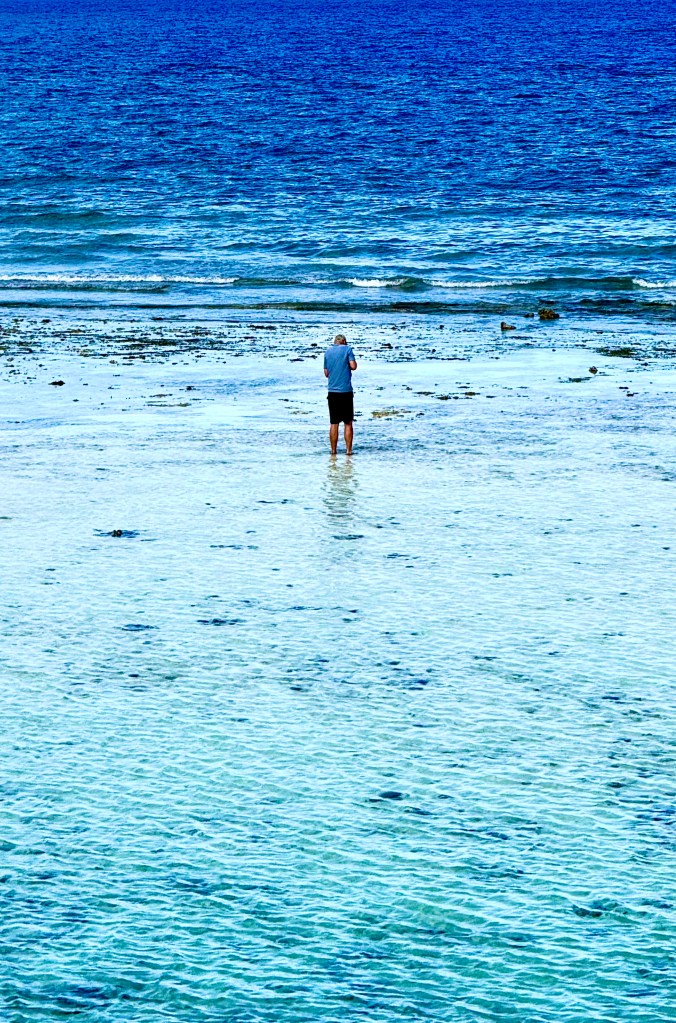
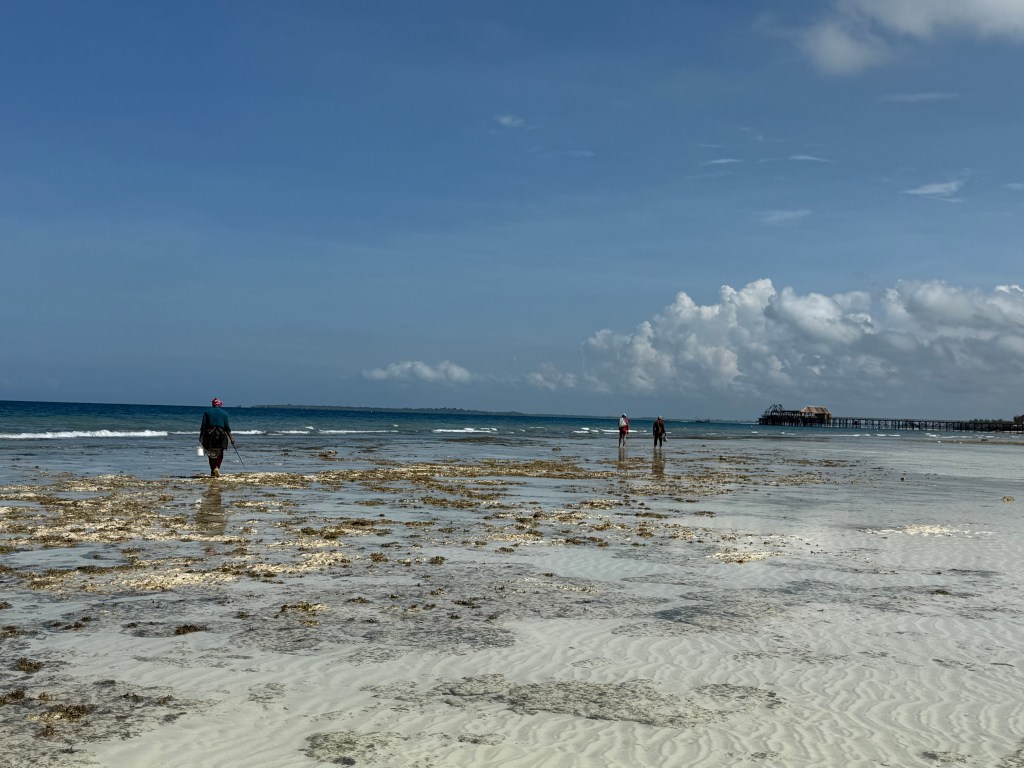
Another special time was an hour before departing the lodge and soon the island, the tide was way out and the sea floor walkable, as was the case with a handful of local aunties searching for mollusks for the market or maybe for dinner. I have always loved tide-pooling and shelling; that I still have, and add to, my childhood shell collection is testament. I love that my hunter/gatherer genes are activated in these circumstances and I’m glad I was able to supplement the aunties’ catch with one not-too-shabby offering. That brief interaction with these locals, facilitated by a gesture borne of kindness and enabled with a few words of Swahili, is gem of a memory.
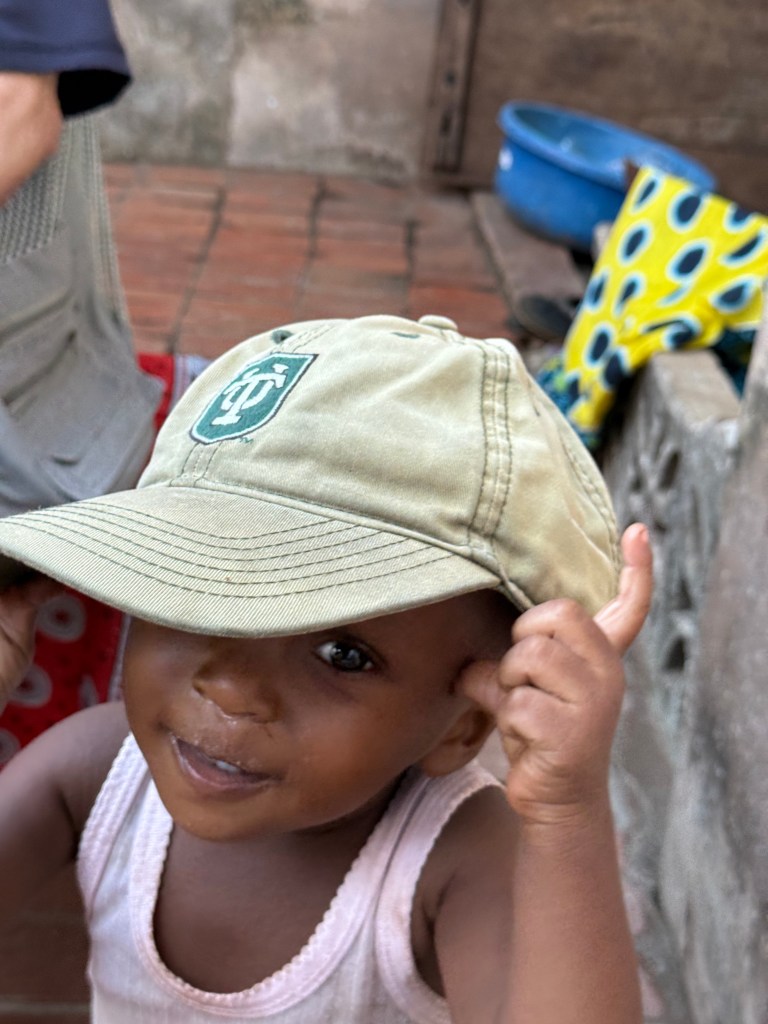
We also met with a local family (husband, 2 wives, and a dozen or so kids & grandkids) and playing with the youngest grandson reinforced a commonality of what humans tend to want from life, regardless of geography, class, religion, etc.: a fair shot for our kids, right?


Leave a Reply