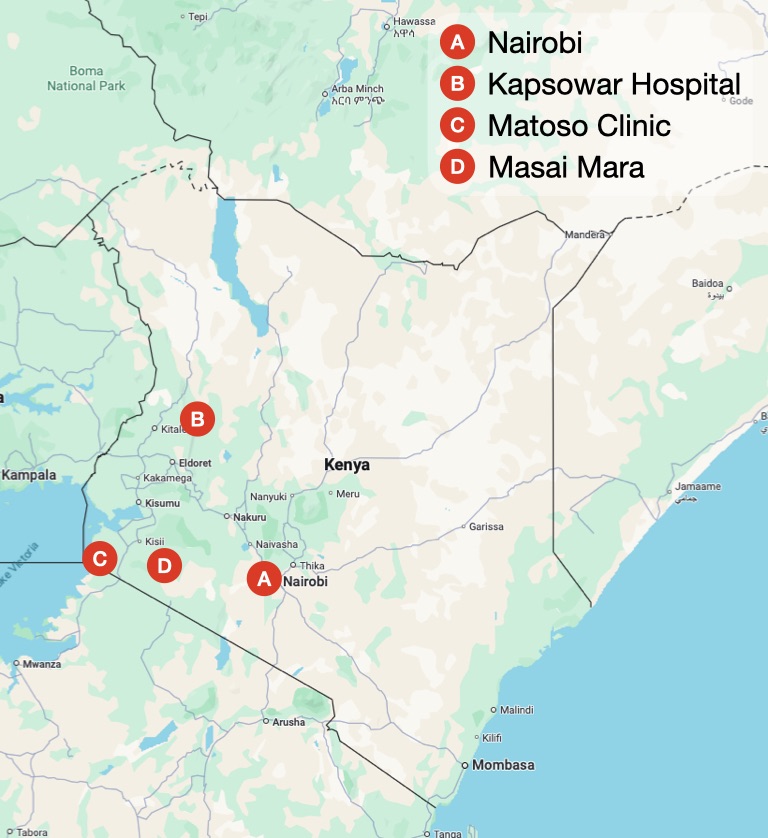
The second half of our trip took us to Kenya to visit Jane’s niece Mary, who is a traveling nurse in a rural hospital in Kapsowar (www.kapsowarhospital.org) and to visit an organization in Matoso with whom Jane worked in the 90s (www.lalmba.org). We both also wanted some safari time, so her friends in Kenya were able to connect us with a camp in the Masai Mara. Because of the war, we changed our flights from Manila to connect thru Ethiopia – a fond reminder of my time there last year. I’m grateful that we were able to secure this last-ish minute change as pickings are slim: nine-tenths of the connections between SE Asia and Kenya go through a Middle East airport.
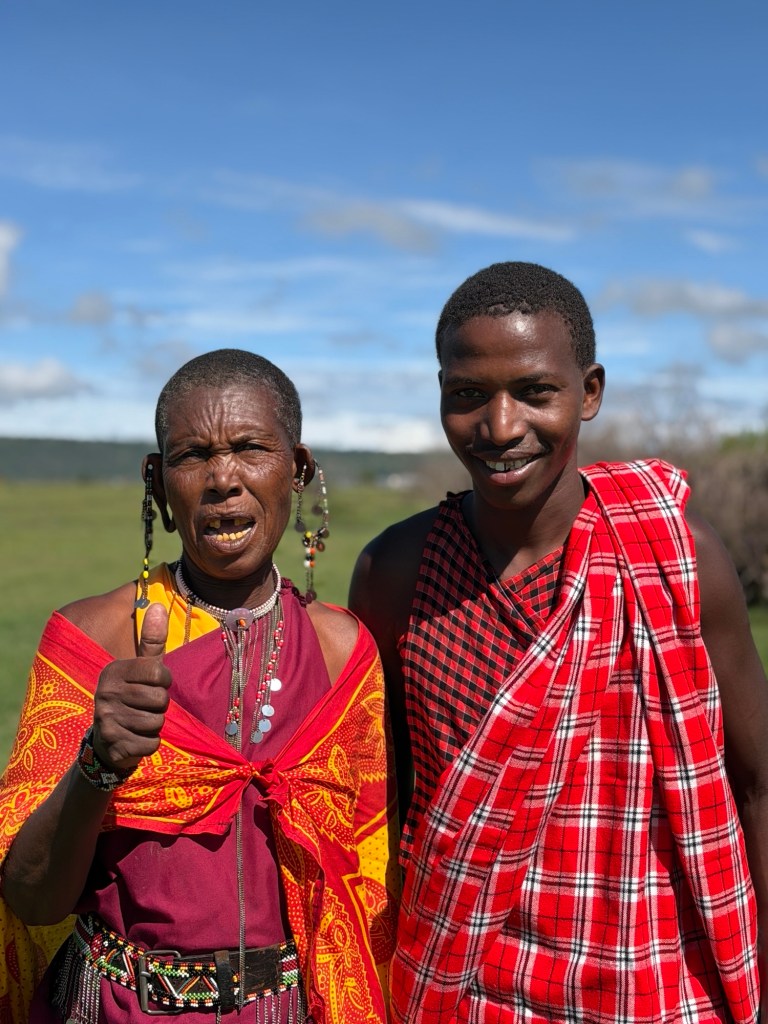
As a kid, circa fifth grade, I remember watching film strips at school about central African wildlife and the Masai tribesmen in Kenya. I was fascinated by a land and way of life so different from mine. That year, when it came time to pick countries on which to write a book report, Kenya was an easy choice for me. I wanted to visit Kenya ever since and I am grateful to be finally seeing a place for which I had such affinity as a boy.
So it was a huge gift to be in Kenya, connecting with my younger self and experiencing that delicious feeling of having curiosities sated. The revised travel plans meant less time in Manila, but arrival in Nairobi a bit earlier than originally planned allowed for a proper night’s sleep at an airport-close hotel, before our morning flight an hour north to Eldoret, our jumping off point for the couple-hour drive north to Kapsowar. The Kapsowar Mission Hospital was opened in 1934 by the African Inland Mission, a Protestant Christian mission founded in 1895. Today, Samaritan’s Purse, the Billy Graham Foundation-borne philanthropic organization, is a major source of funding and expat staffing for the hospital. And the hospital has grown significantly since the early days and now includes a nursing school, operating theatres, wards, etc. with more buildings on the way, yet the faith-forward approach to medical care remains a key feature of this facility.
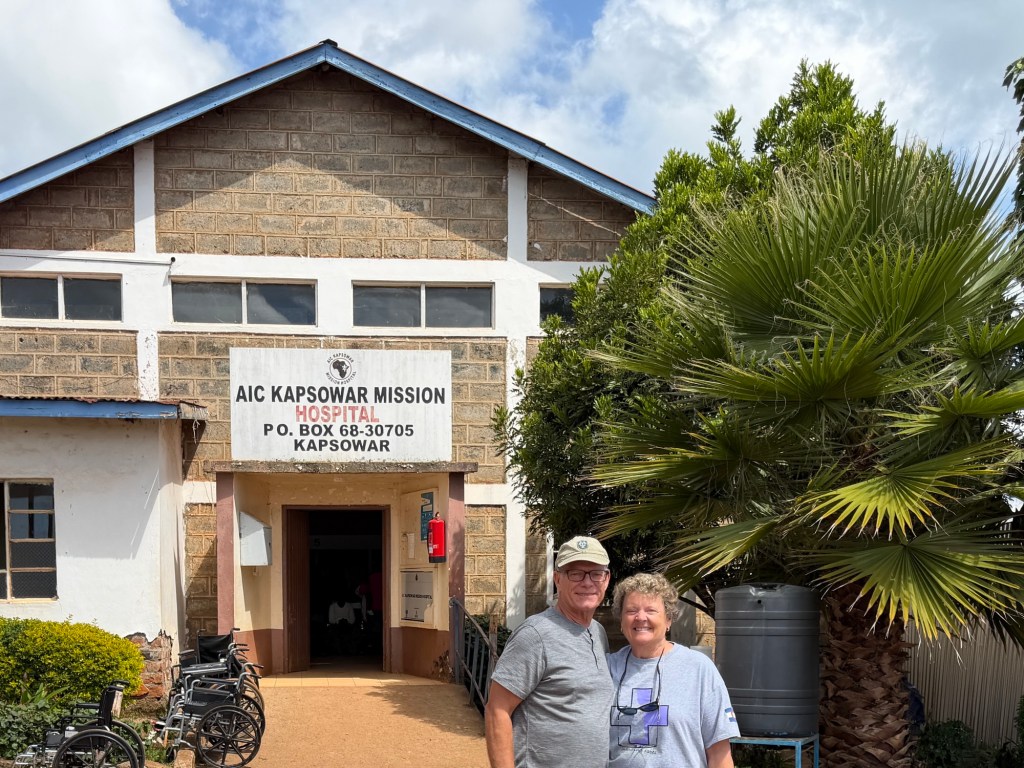
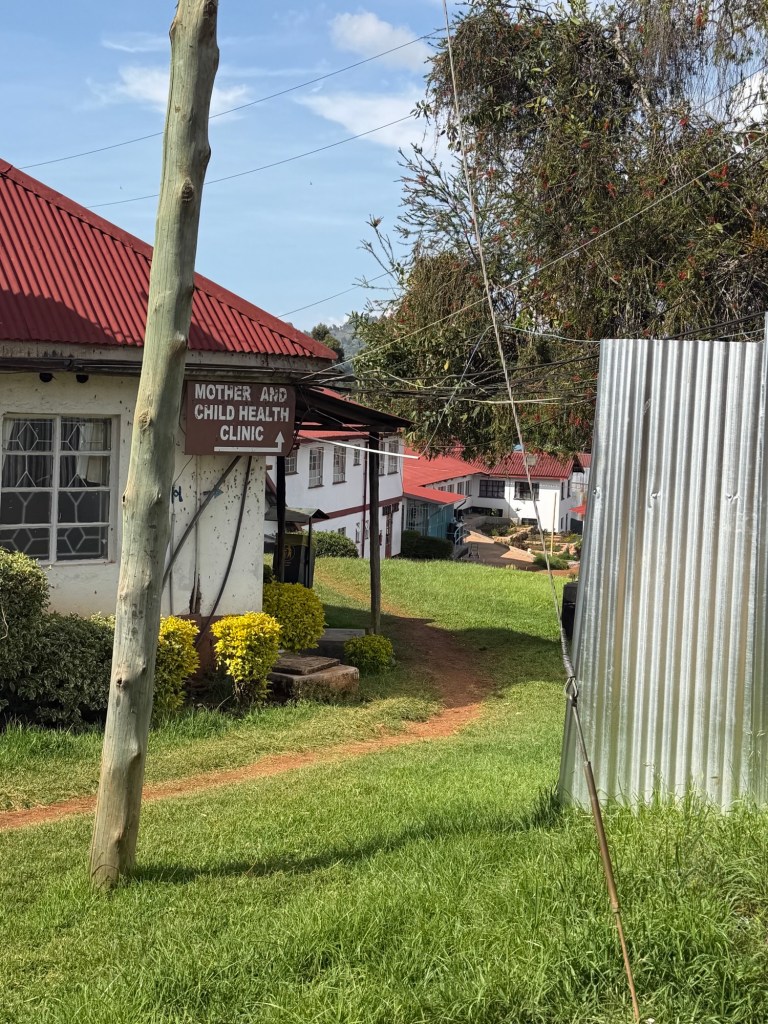
It is pleasant in Kapsowar. Being so close to the equator, but with Denver-style altitude, the temperatures remain in a Goldilocks zone — never too hot nor too cold. We spent four days in the expat compound adjacent to the hospital grounds. It houses the couple dozen or so expat families and individuals. Some are short term med students but most are families that are here serving multi-year (some multi-decade) commitments. It’s just amazing to me to see this level of dedication to help mankind, often in rudimentary conditions by the standards in which most of these people were raised. Granted, all are also driven by their strong Christian faith, but it is lovely to see such levels of selflessness, especially in an era where rising wealth inequalities bespeak a focus on human ego.
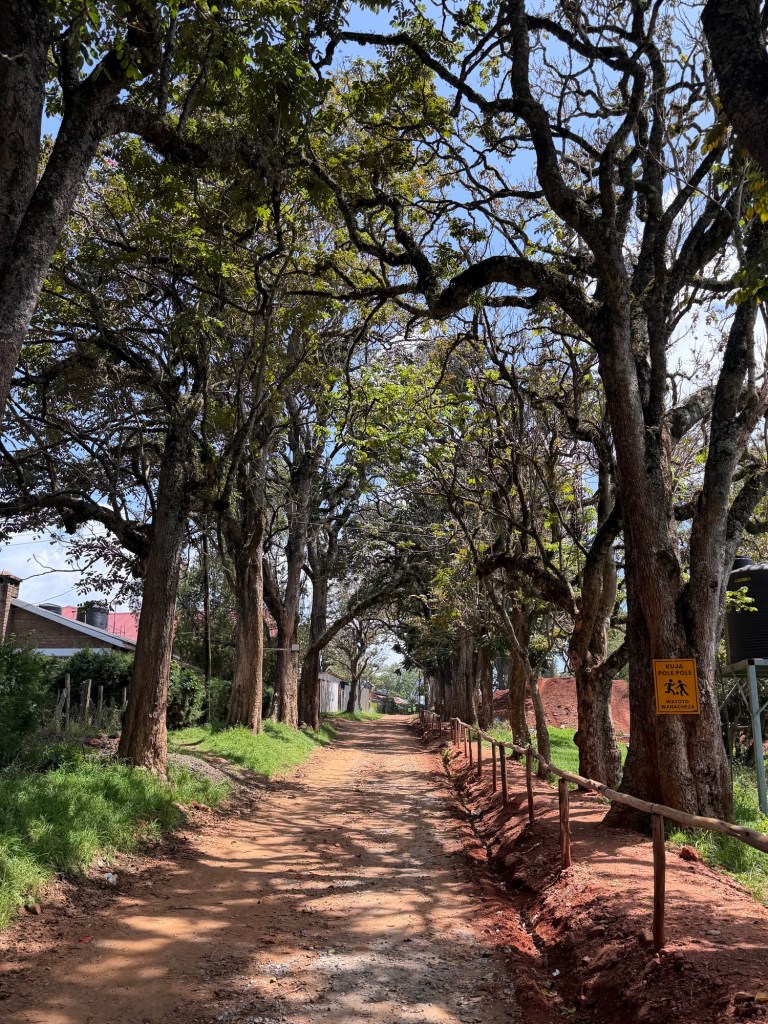
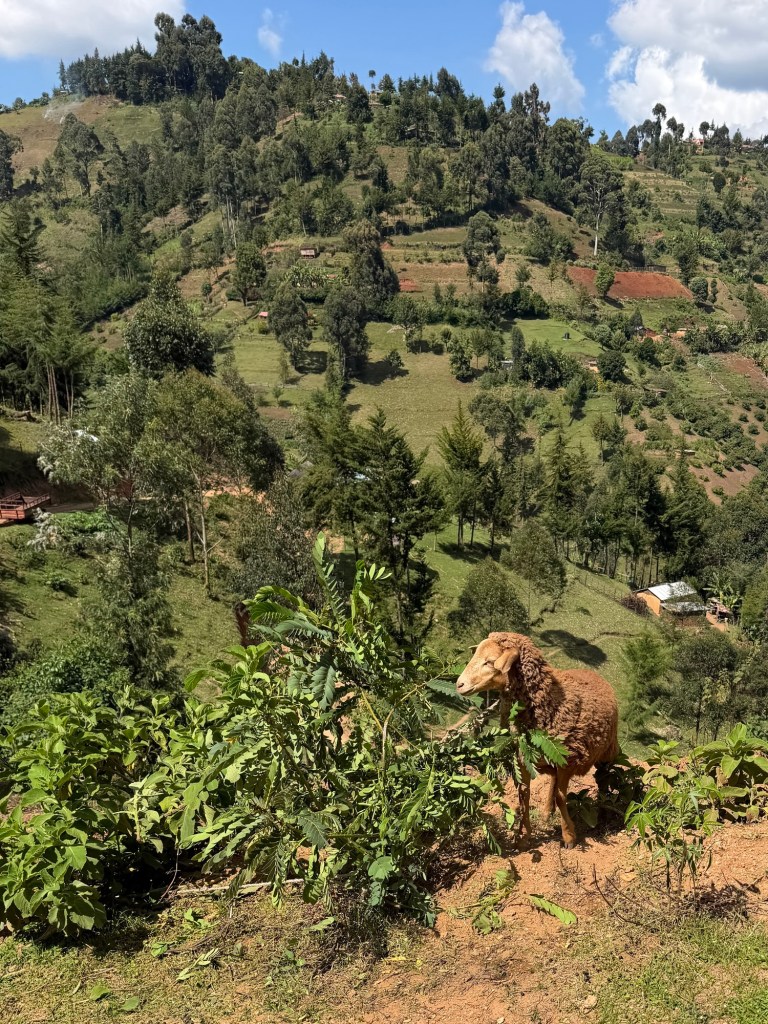
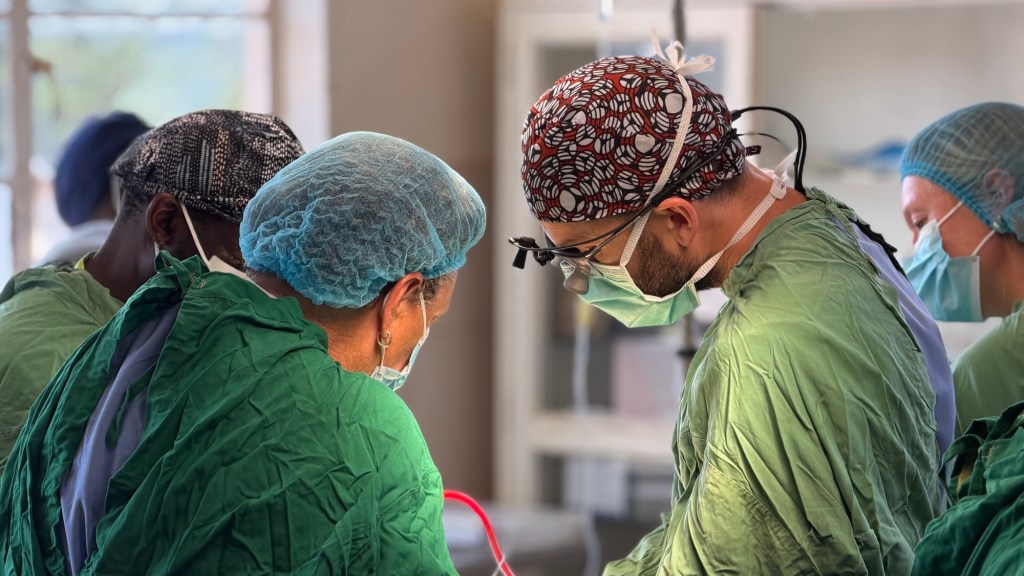
It was, again, fascinating to be able to suit up and observe in the operating room, but it was especially cool to see Jane and Mary, aunt and niece, working together — with familial and professional bonds intertwining. And I had a fun small-world moment: One of the expat pediatricians went to the same high school as my son and worked at my local hospital in Santa Cruz. And that these are all really cool people, even beyond their benevolence, was great to experience.
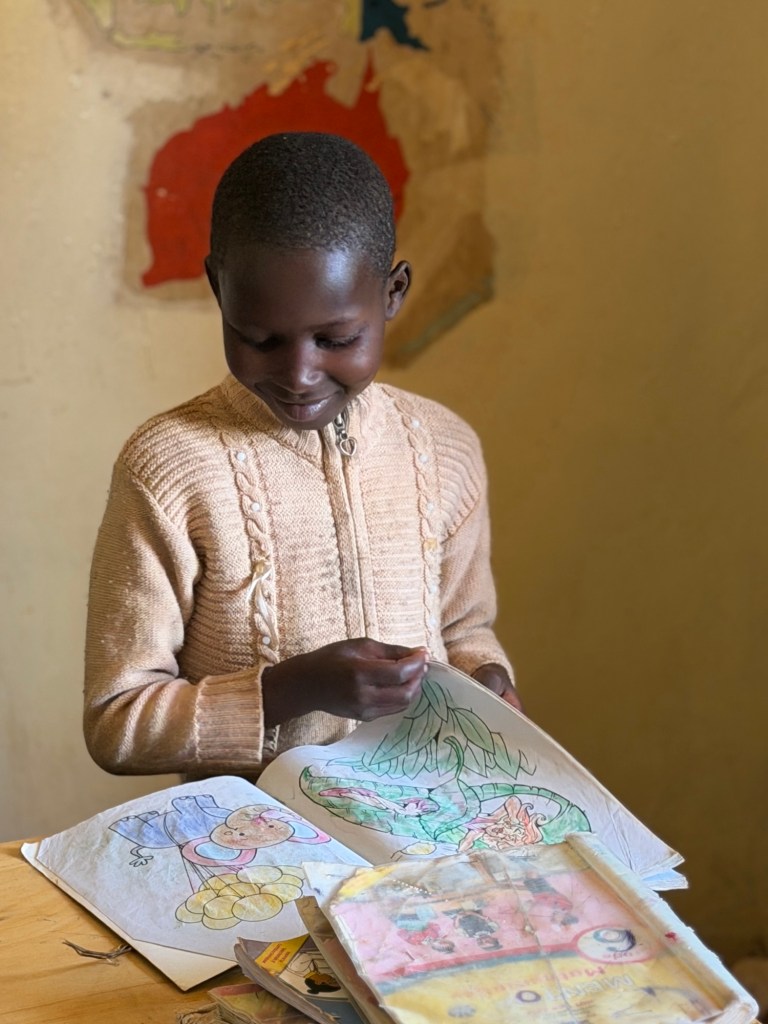
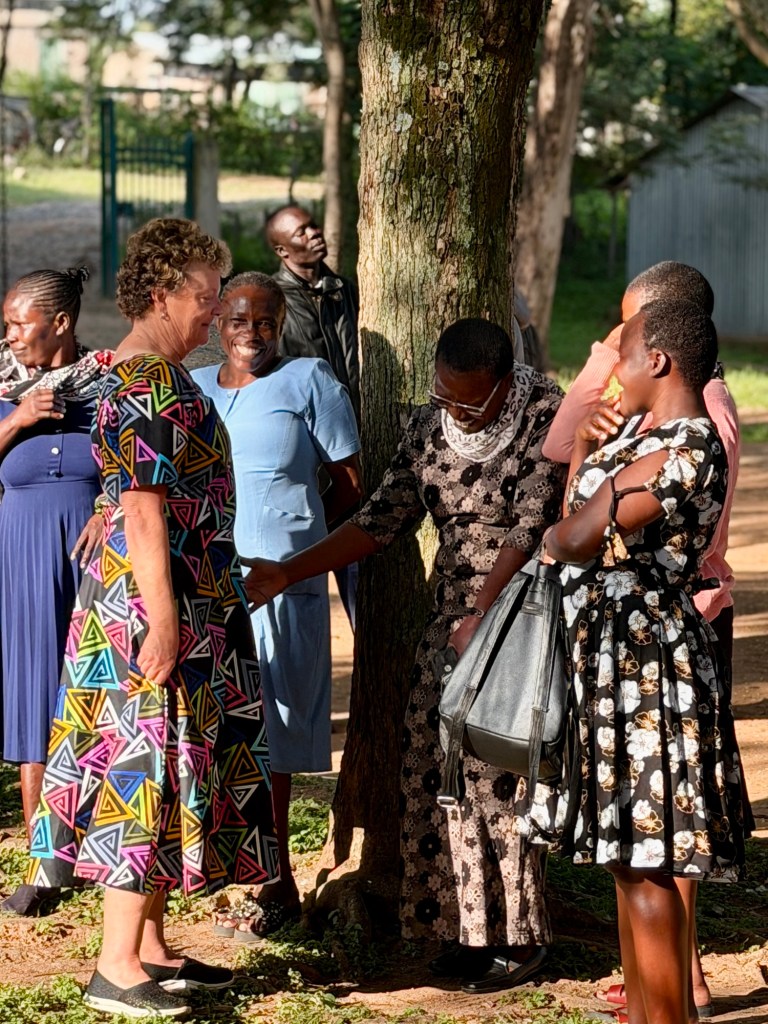
One day we visited a school and orphanage nestled in the hills above the city. We drove up, cramped in a surgeon’s SUV with his kids on the roof rack, with me wondering all the while….“why didn’t I get to ride on top of the station wagon when I was a kid?” It was interesting being shown around by the school’s director. He lived and learned at this school as a kid, so it is quite fitting that he is back as its leader. We also had a chance to interact with some of the students, as they showed us around and read from their books. On the field out front, all of the boys were playing soccer with the young medical students (who clearly enjoyed being out on the pitch as much as the kids enjoyed besting the adults.)
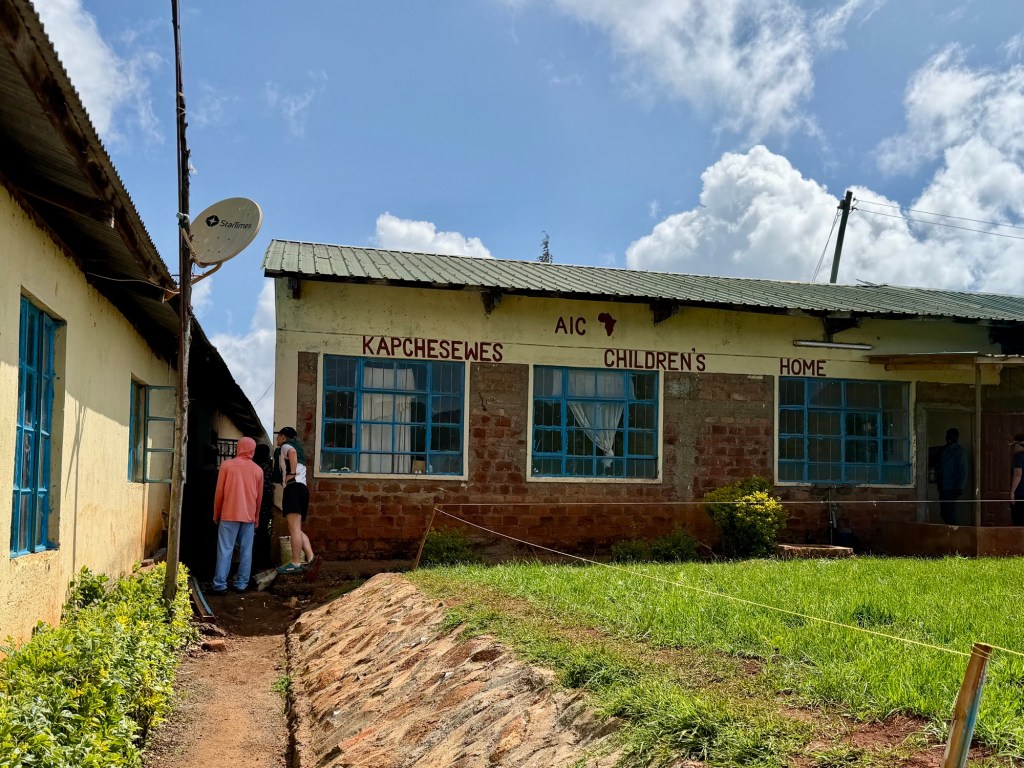
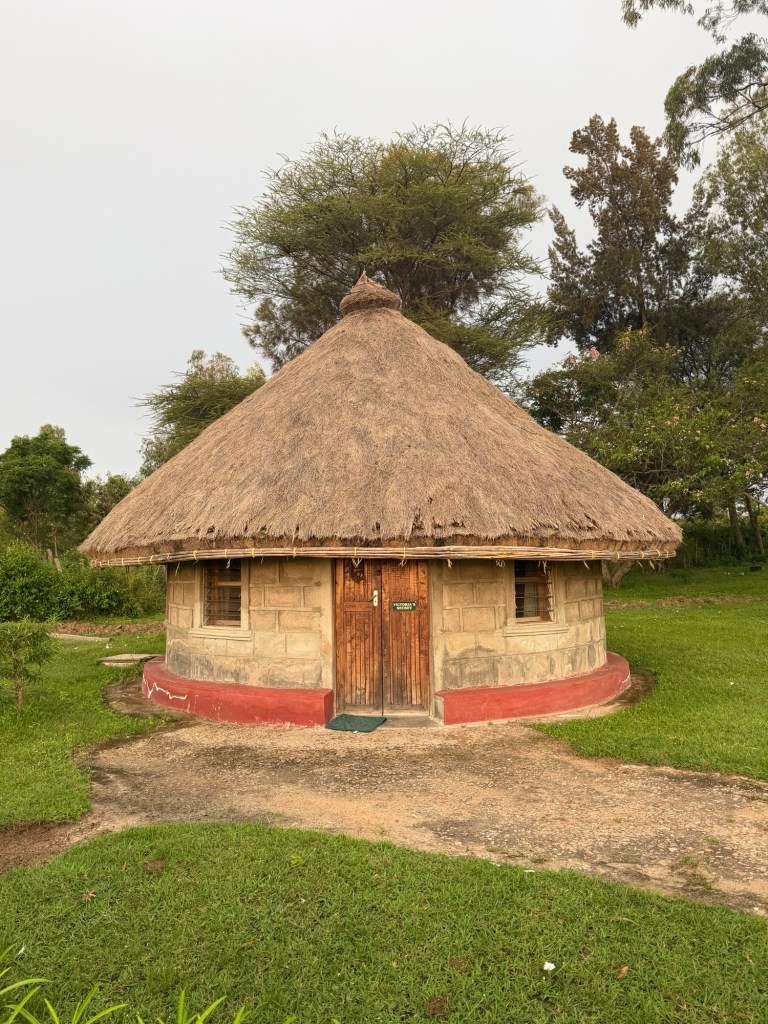
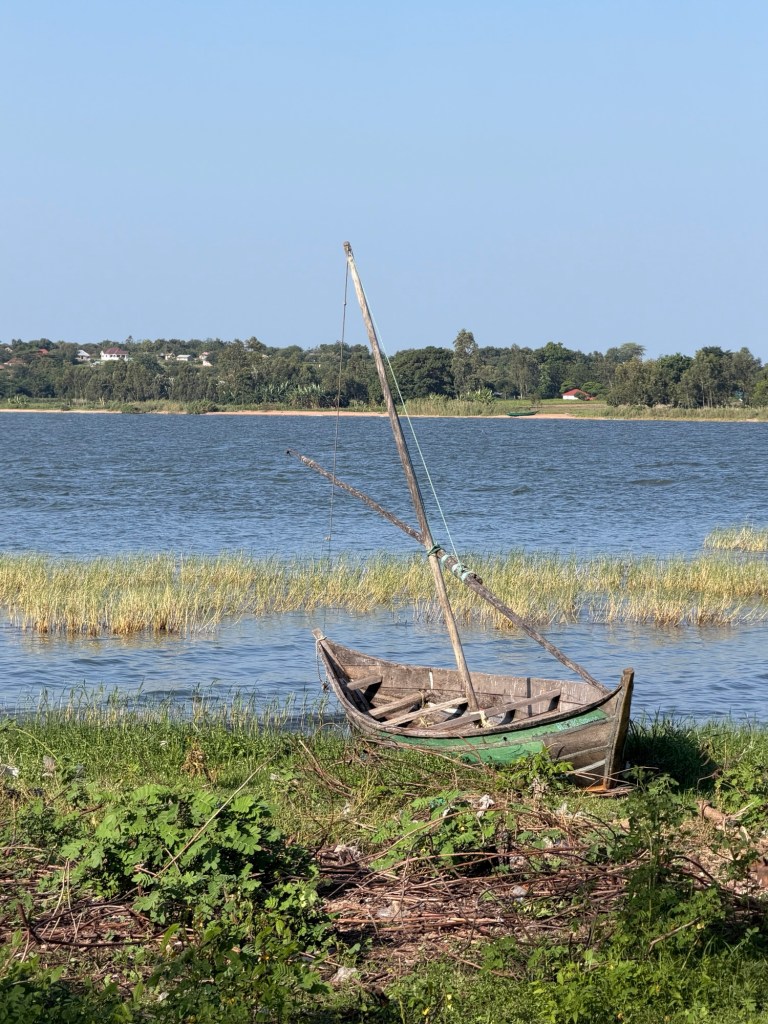
A drive and a flight got us back to Nairobi, where we spent the night awaiting another flight and couple hour drive west to get us to the Lalmba clinic in Matoso, at the end of the road, right on the edge of Lake Victoria and just kilometers from the Tanzanian border. We are here in all of this glorious remoteness because it was with Lalmba that Jane worked at a nurse in a refugee camp in Sudan in the 90s and visited this clinic on her way back to the States. The clinic had been in operation for a decade when she was last here and now, another thirty years hence, it is a mature campus and supports a boarding school nearby and a new maternity ward was being opened the week we were there.
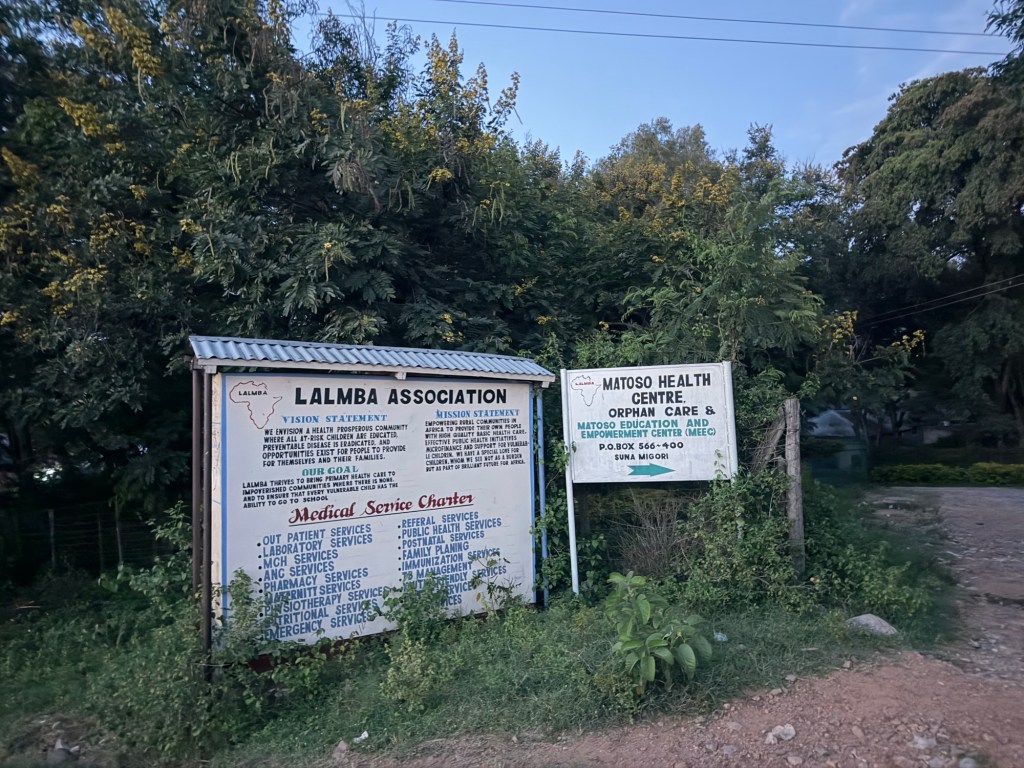
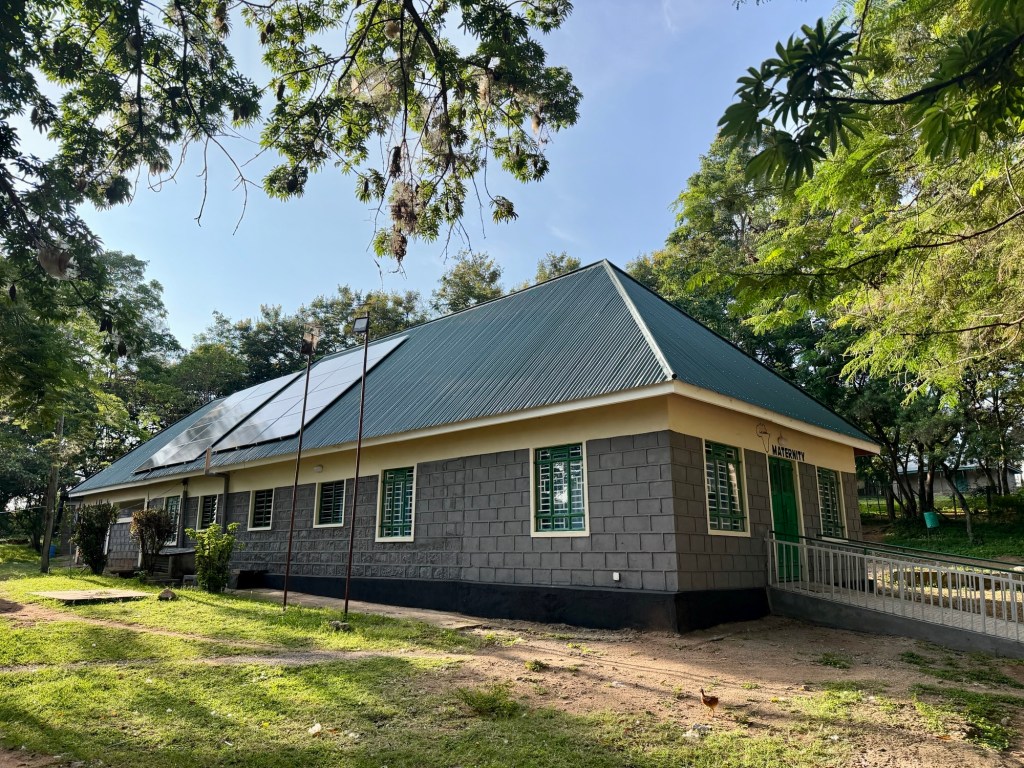
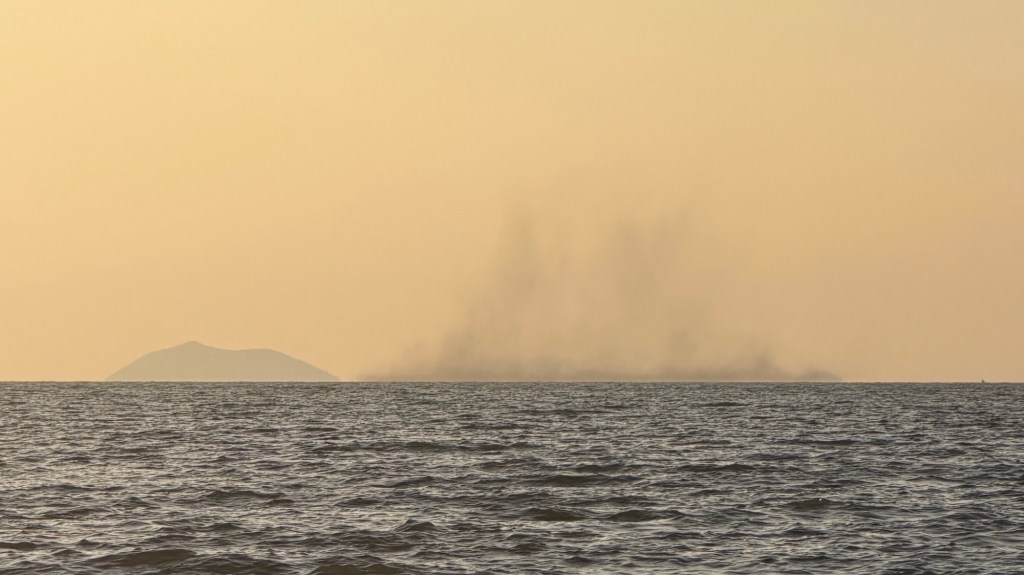
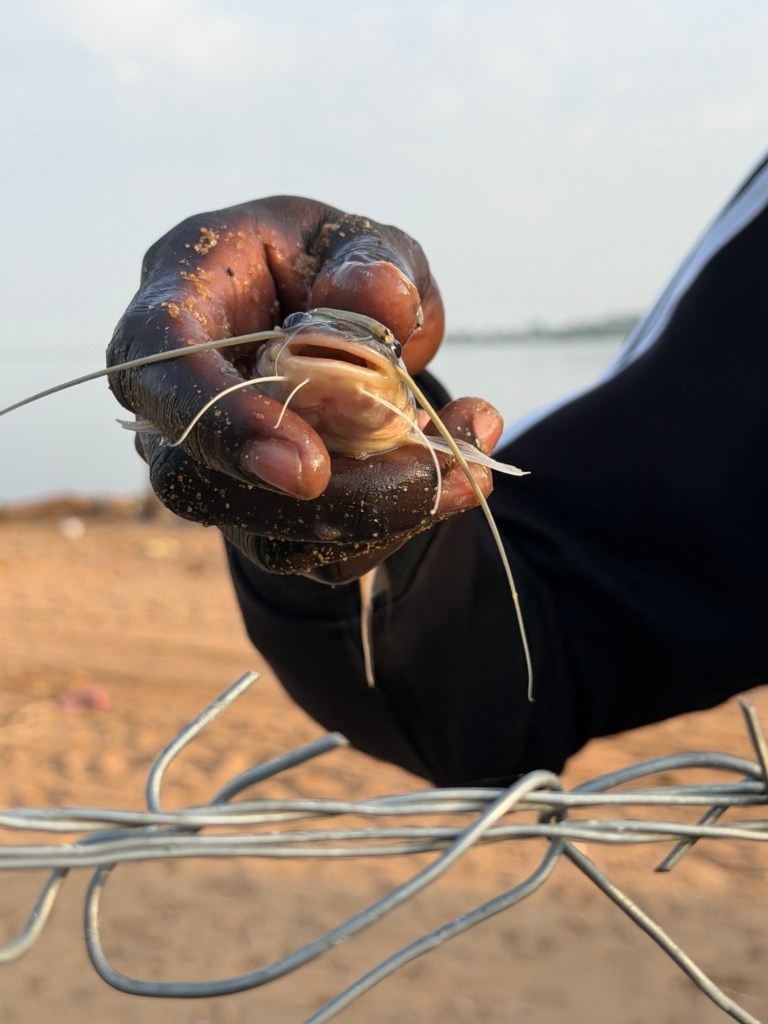
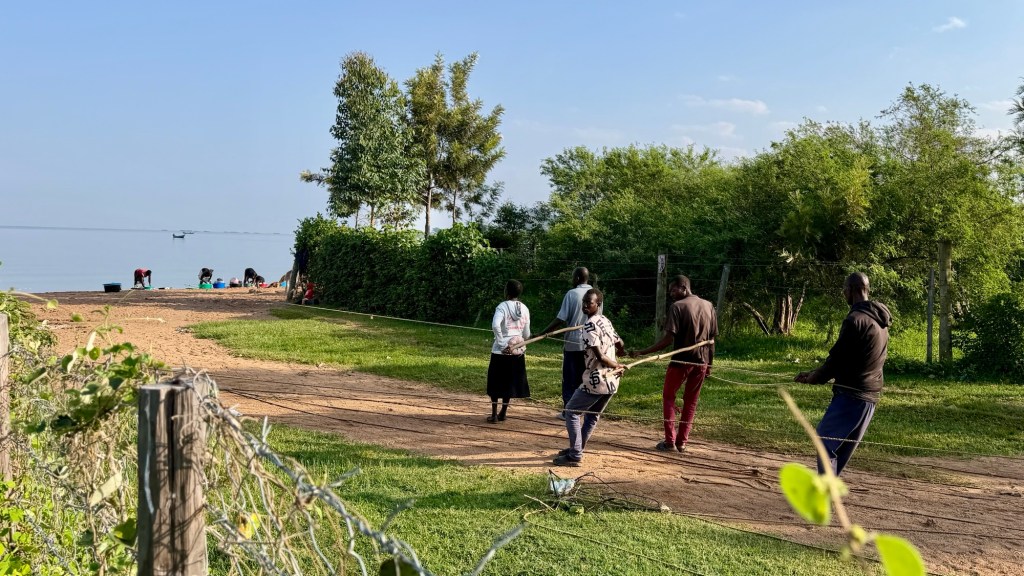
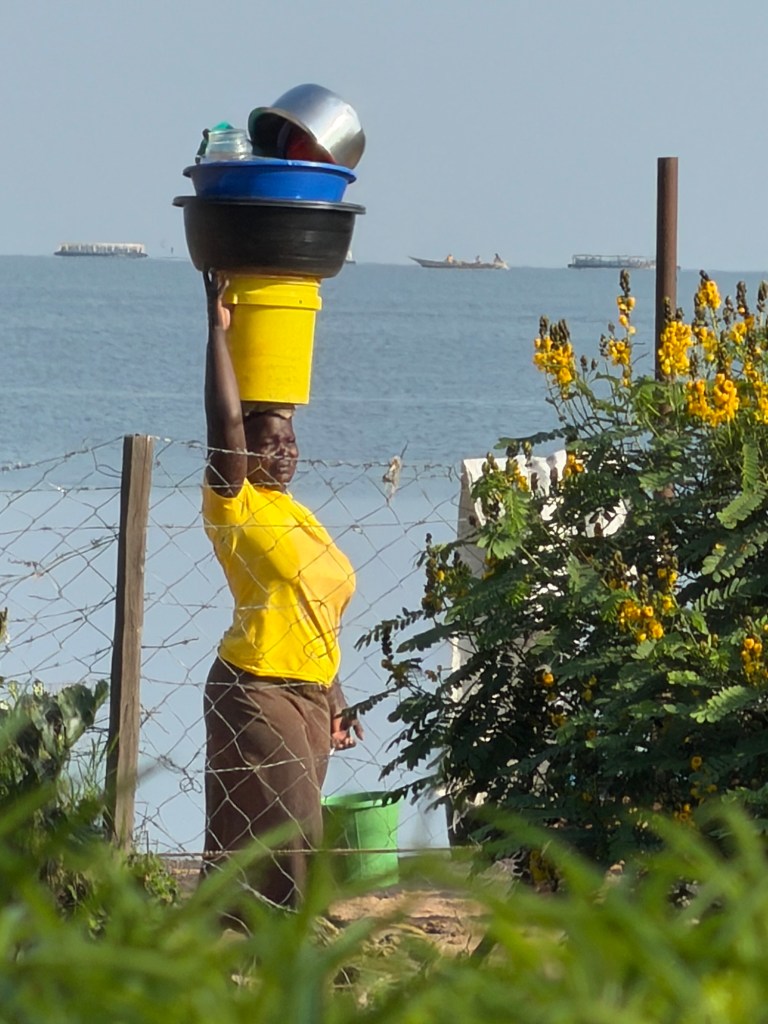
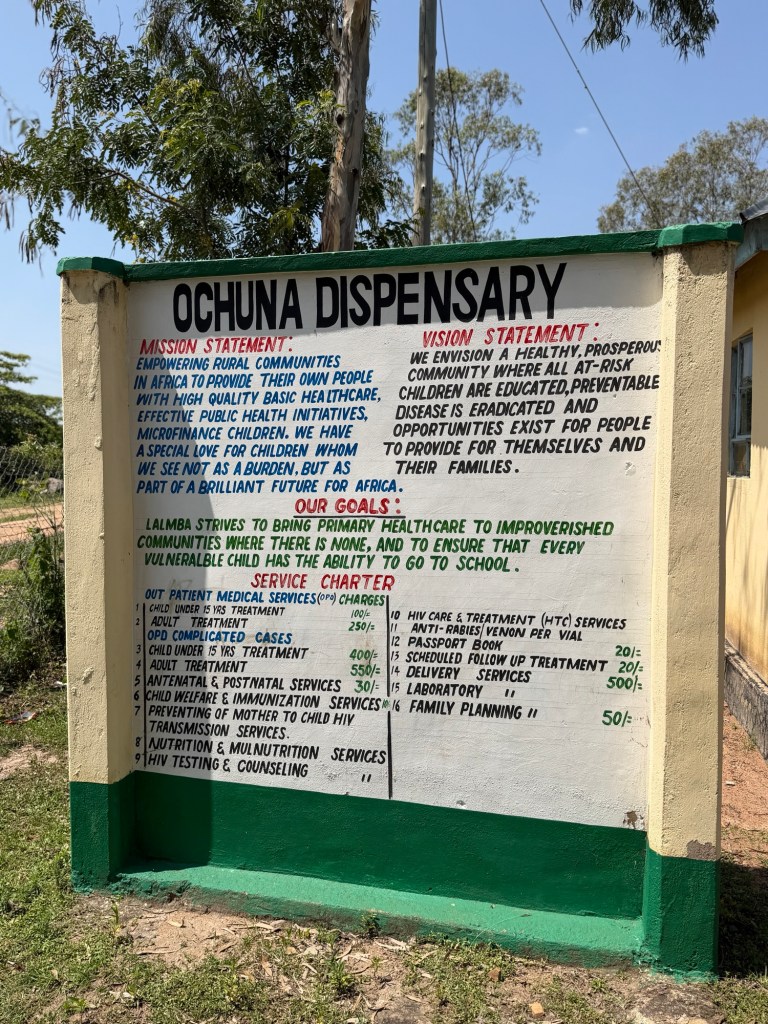
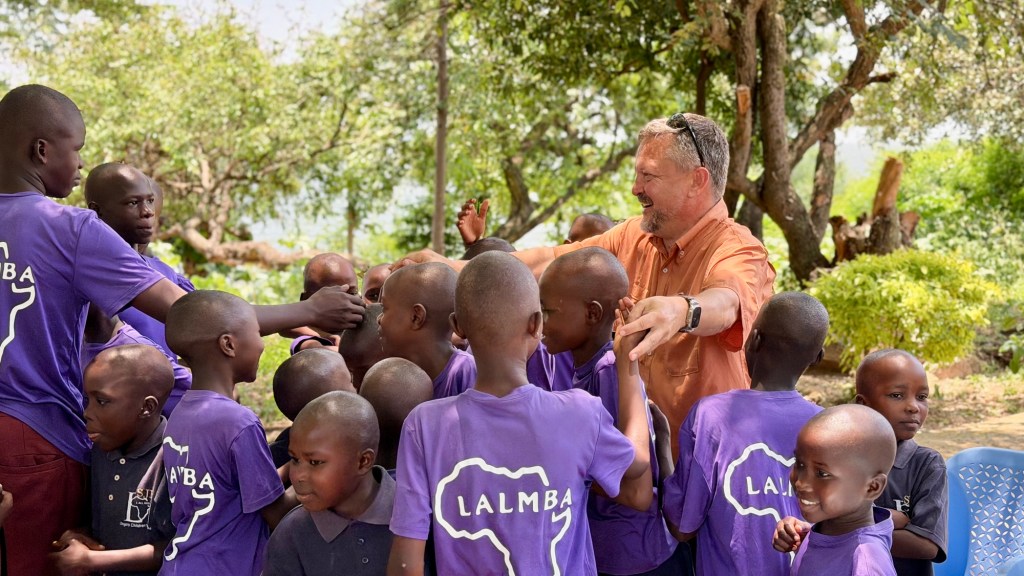
One day we traveled with a small team of doctors and public health folks to a small, couple-building-sized dispensary in the town of Ochuna, within sight of Tanzania. This is essentially the only medical care in this region, which is a 5 hour walk to the Lalmba clinic in Matoso. That afternoon we stopped by the school and orphanage that Lalmba supports, had lunch with the kids. Lalmba’s president, and all-around great guy, Rob Andzik, was in Matoso for the grand opening of the new Maternity Building. Rob is based near Colorado Springs and has a background in executive leadership in the tech industry. It was fun getting to know him and his perspectives and experience in delivering healthcare literally at the end of the road.
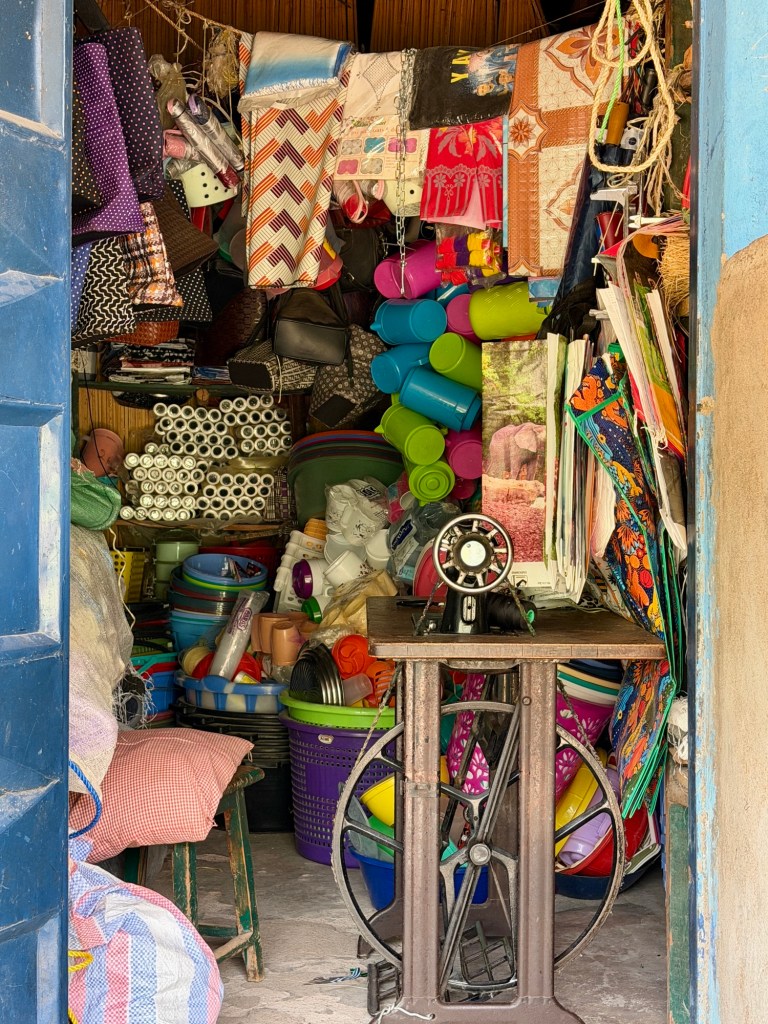
The night before leaving the clinic for safari, we were walking by the local seamstress’s shop (she is also named Jane) and, before long, Jane is all measured, a fabric is picked and it’ll be ready for the morning staff meeting at the clinic. It fit perfectly, both as a dress and a memory of a special place.
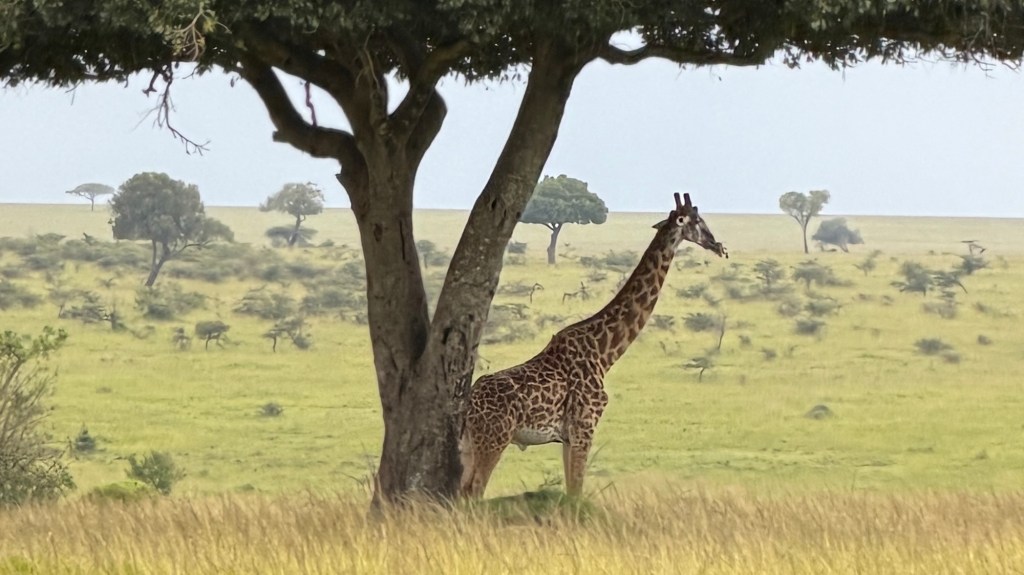
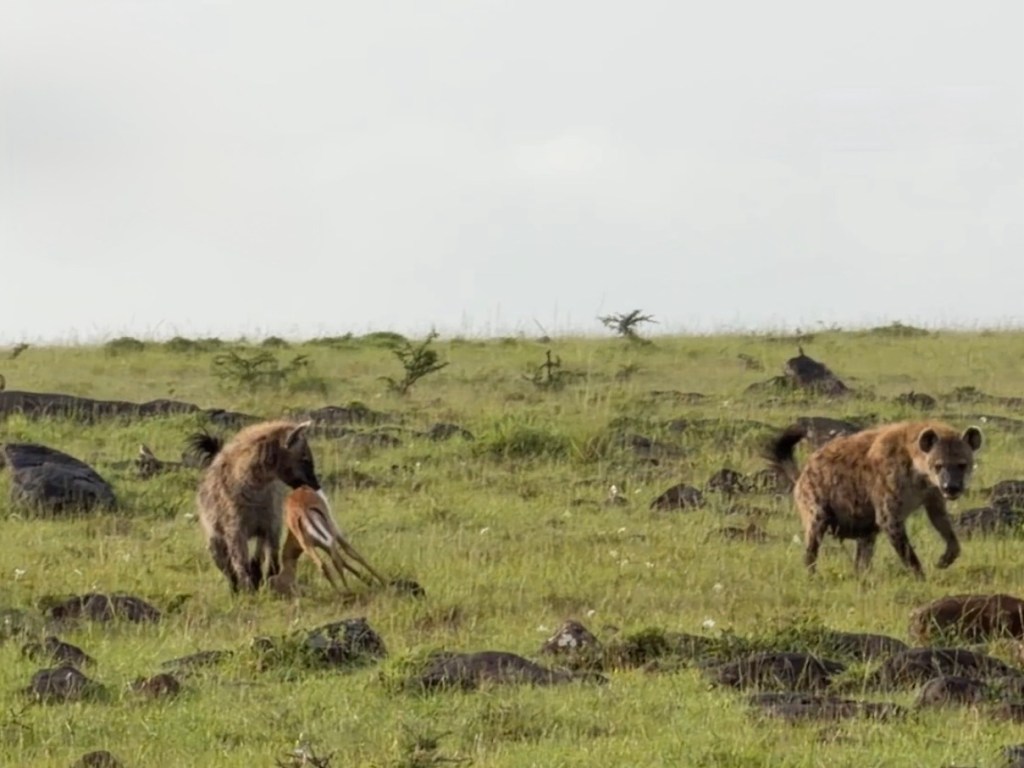
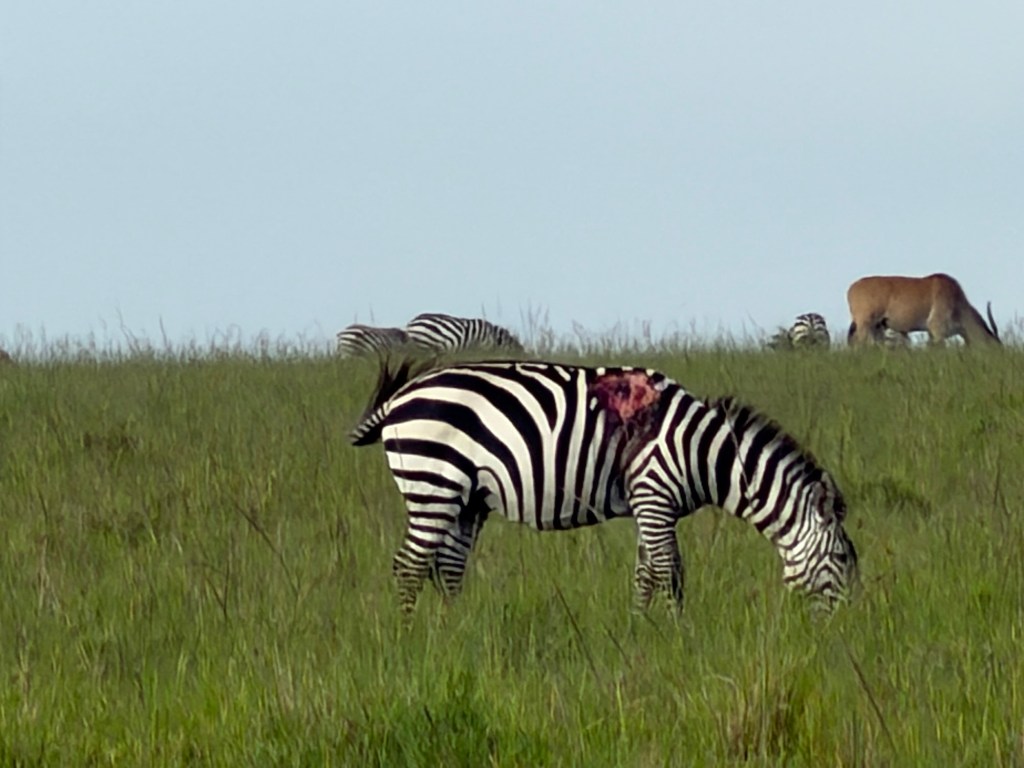
A couple-hour drive got us to Migori airstrip, where we caught a small plane to the Masai Mara. While it is rainy season now, we had mostly clear weather and, with fewer visitors, more of an untrammeled safari experience. I harbored a secret wish to see a hunt in action, which if fairly rare to see during game drives. Fortunately, on the first drive, we spotted a jackal couple giving chase to a young Thomson’s gazelle. We tracked it for about half a minute — with me trying to shoot video in a moving safari vehicle 🤣. But just as soon as the jackals had the gazelle calf, a hyena swooped in and stole it away. In minutes the hyena devoured it. An amazing thing to see. Another sight was seeing an adult zebra missing a large chunk of its back. I have seen zebra missing tails, courtesy of a lion, but this? Seriously? Another amazing sight.
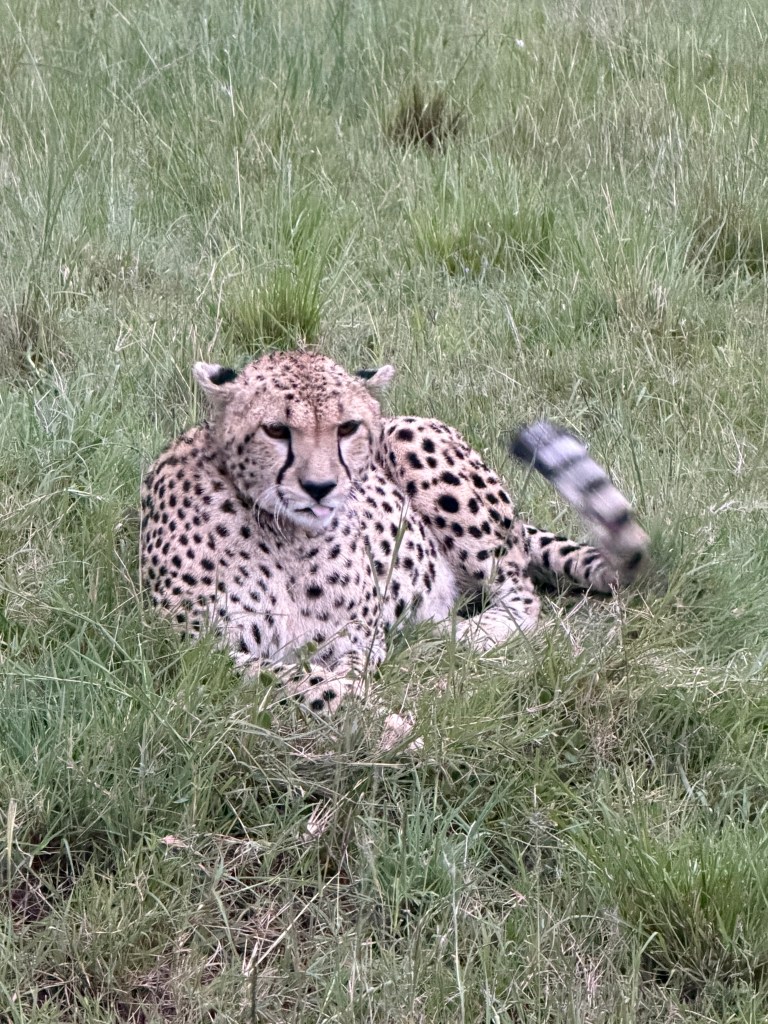
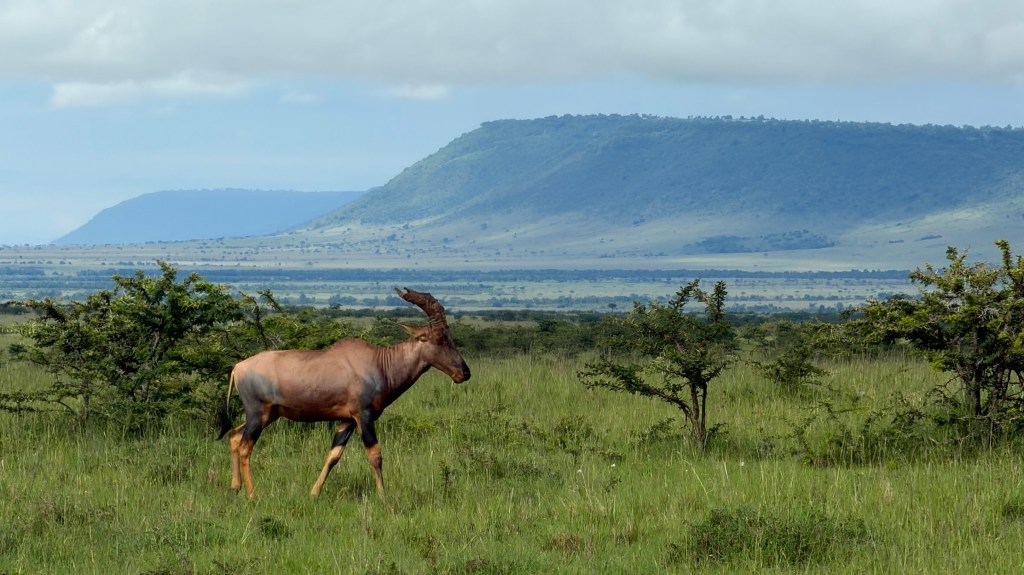
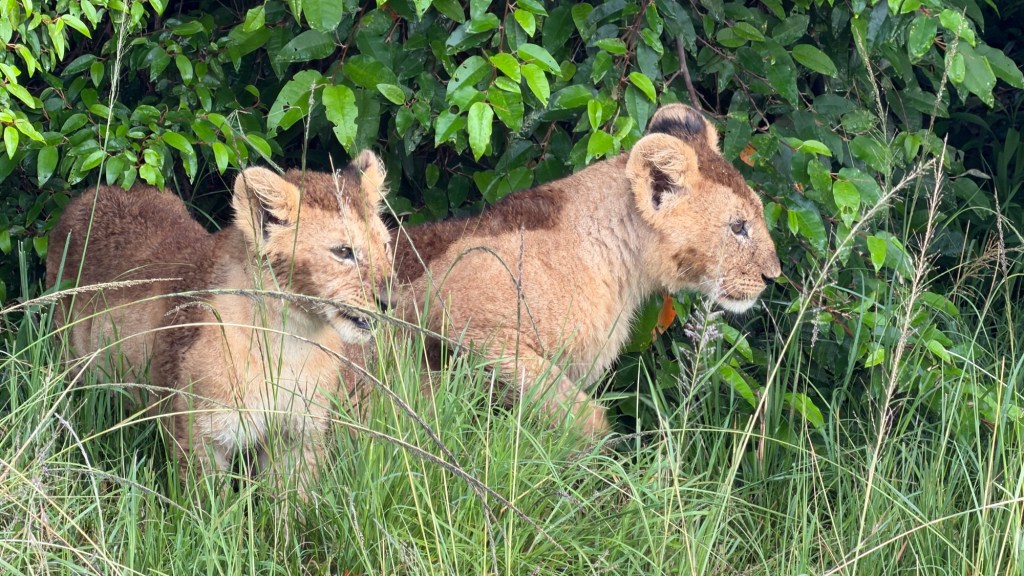
Then it was with gratitude that we wrapped up our safari in the Masai Mara. It is always enjoyable to spend time in nature and with wildlife, particularly when it is a place for which a certain young boy had so much curiosity.
But reflecting on the trip as a whole, those things that I was specifically anticipating (snorkeling and the Masai Mara), while each were utterly remarkable, I find what is having lasting resonance for me is getting to know the healers in this world that give so freely of their time and talent, whether it is a weeklong mission or a full-time calling. And it is a great antidote to all the “me-isms” that percolate through our culture. But I’ll also admit to feelings of injustice: that we must rely on the beneficence of others in order for human beings to secure medical care just seems wrong to me. But, I forget that our human society is still undeveloped in some ways.
What I’m left with are two thoughts: a sense of the fragility of the system that distributes much of the world’s “last mile” medical care and huge admiration for the many people in this world who give of themselves so selflessly so that others may be healed. It is gratifying to see angels at work.


Leave a comment