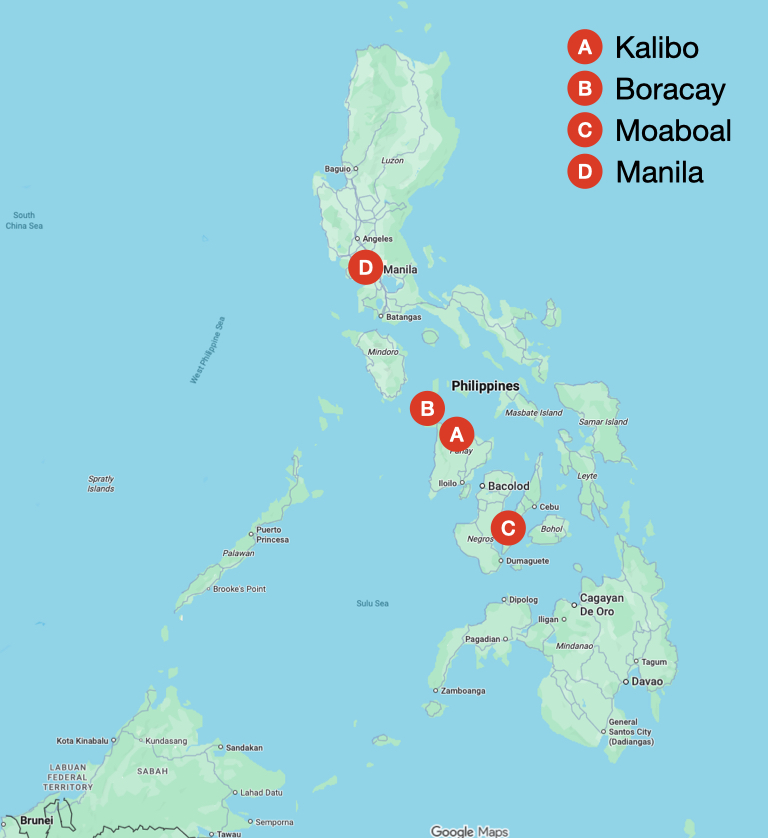
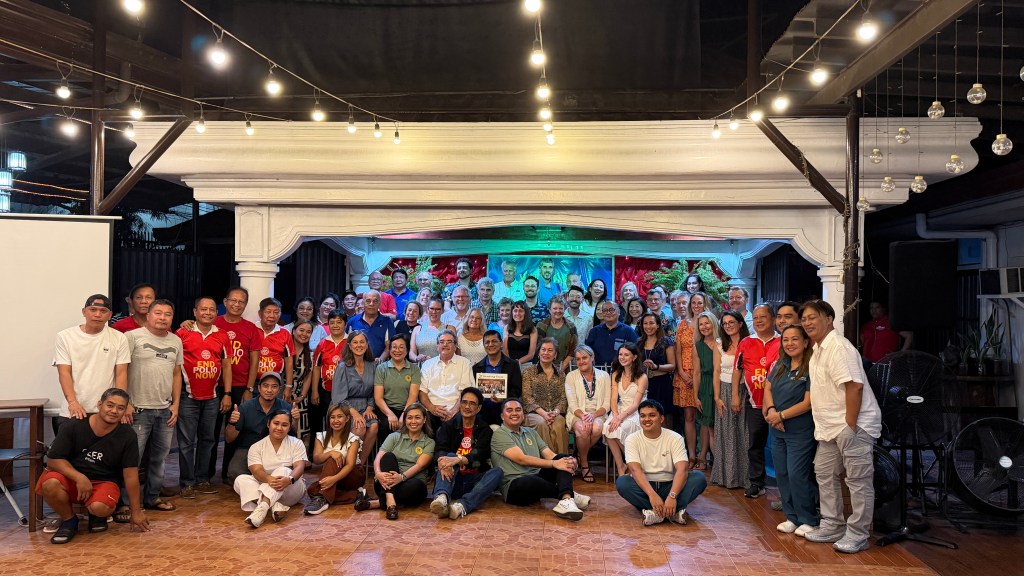
I have long been fascinated by The Philippines. It has a unique set of physical and cultural characteristics, especially given its location (closest neighbors are Indonesia, Malaysia, Vietnam and China.) That it is the largest Christian nation in Asia, was a US territory for 50 years (until 1946) and has been heavily influenced by Spanish colonialism for 500 years have each contributed to its distinctive cultural complexion. To be completely stereotypical, all the Filipinos that I have met have been super kind, family- and church-oriented, and love to party. But beneath such commonalities lie lots of cultural diversity, wrought by geography (there are over 7,600 islands in the archipelago) and demographics (there are 110 ethnolinguistic groups in the country of just over 110M people.)
Having never visited The Philippines, I jumped at the chance to meet up with Jane whilst she was on a medical mission with Mending Faces, the organization with whom she has volunteered over the past few years. Founded 16 years ago in Denver by a hotshot anesthesiologist with huge heart and matching leadership skills, Mending Faces (mendingfaces.org) is a group of volunteer surgeons, anesthesiologists, nurses and coordinators who repair cleft lips and palates in (relatively straightforward) surgeries that utterly transform people’s lives, essentially immediately. Their focus is on annual missions to The Philippines and the Dominican Republic, but there are other, similar organizations at work around the world, and all are self-funded, volunteer organizations. I had little clue of the breadth and complexity of this NGO medical mission ecosystem, but this trip would prove a crash course into this often unnoticed, insufficiently appreciated and persistently underfunded process of delivering medical care to those that otherwise would have no recourse.
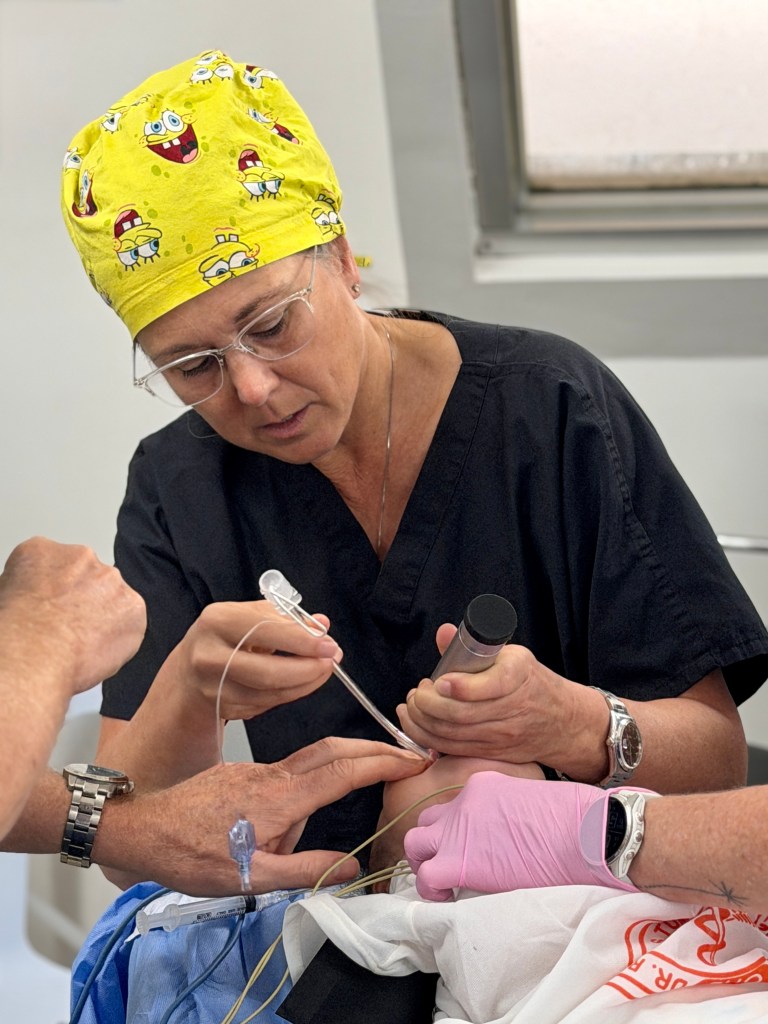
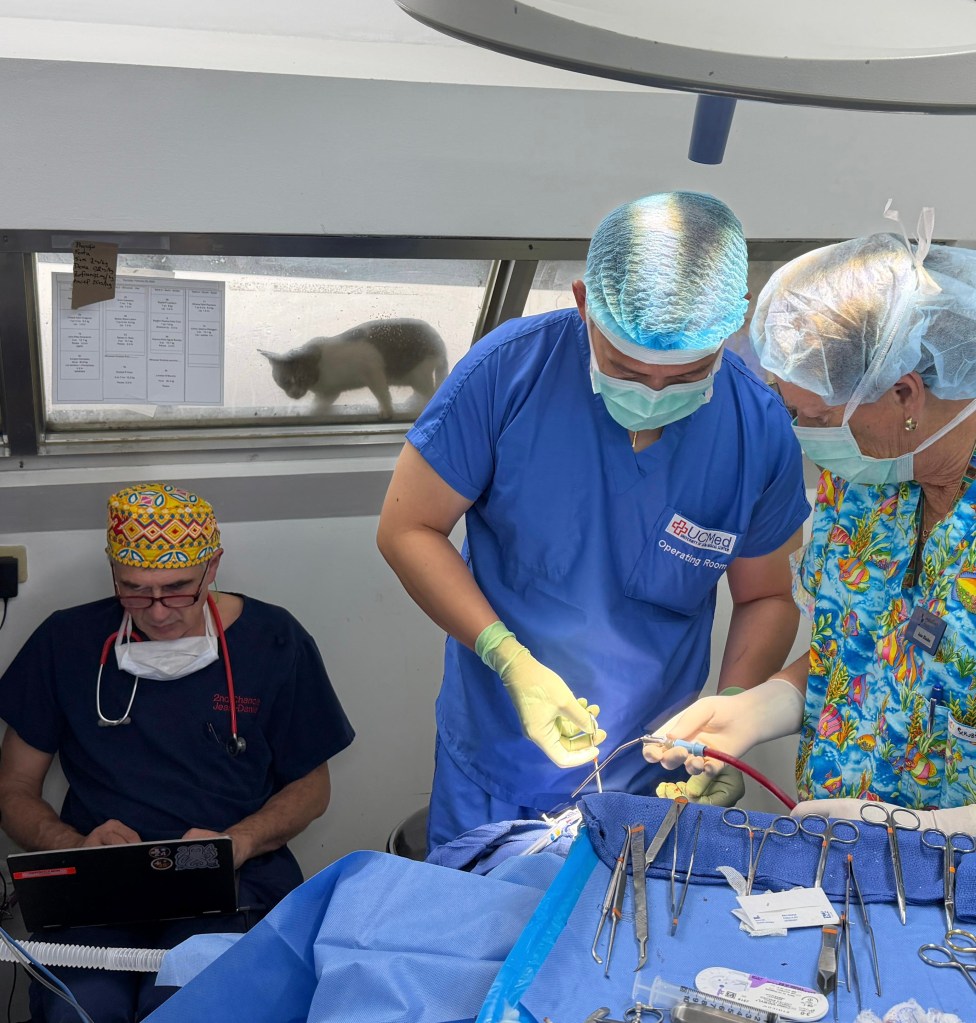
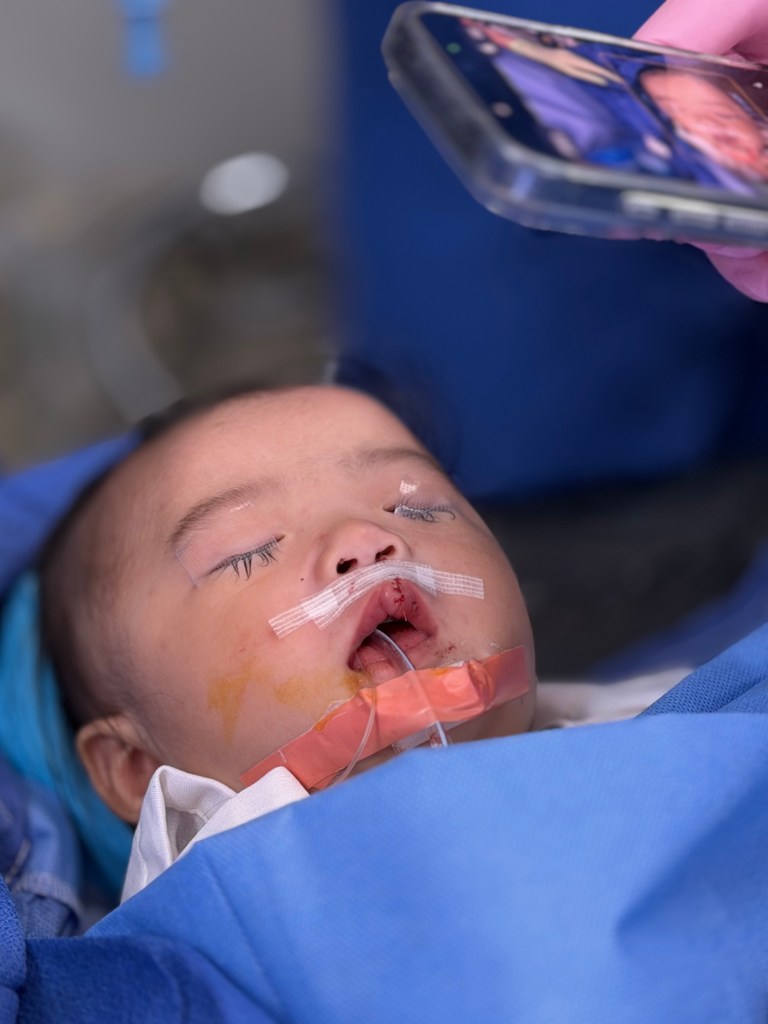
I arrived at the end of the week and, gratefully, was allowed to scrub up and observe the operations inside of each of the ORs. It was an amazing experience. There were 14 surgeries that day (63 total for the week), a 50/50 mix of lip and palate cases, with the youngest 6 months and the oldest a 49 year old woman. The doctors and nurses were all so open to describing their processes and techniques — mid-suture, I might add. It was most fascinating being able to learn about an OR from the insider’s perspective as well as learning about cleft lip & palate surgeries from (literally) inside the face.
And it was a special treat being able to see Jane at work. Hers is one of those professions that, besides your immediate workmates, no one typically gets to watch you work, so I found it to be quite an enjoyable privilege to observe her at the table.
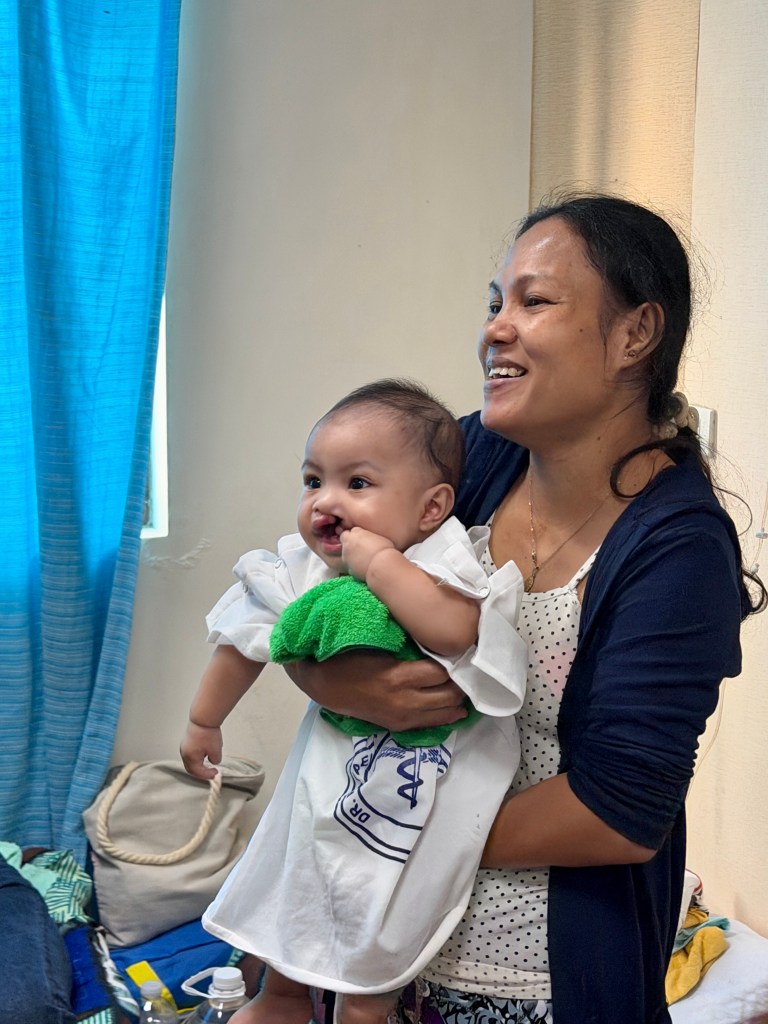
While cleft lips and palates are routinely fixed in infants in the States, there are often not such opportunities for many people in developing countries, due to financial, medical access or various other logistical reasons. Yet, untreated, these conditions offer only a lifetime of ostracization, eating/breathing complications and limited educational, social and employment opportunities. But in a few hours of surgery and a few weeks of healing, these patients are literally made whole — their once-interrupted process of fetal tissue formation now completed by a group of talented, well-meaning humans that fate has brought into their lives. This kid can now grow up to be a regular member of the family, attend school like her siblings, get a job and a boyfriend and a “normal” life. Remarkable.
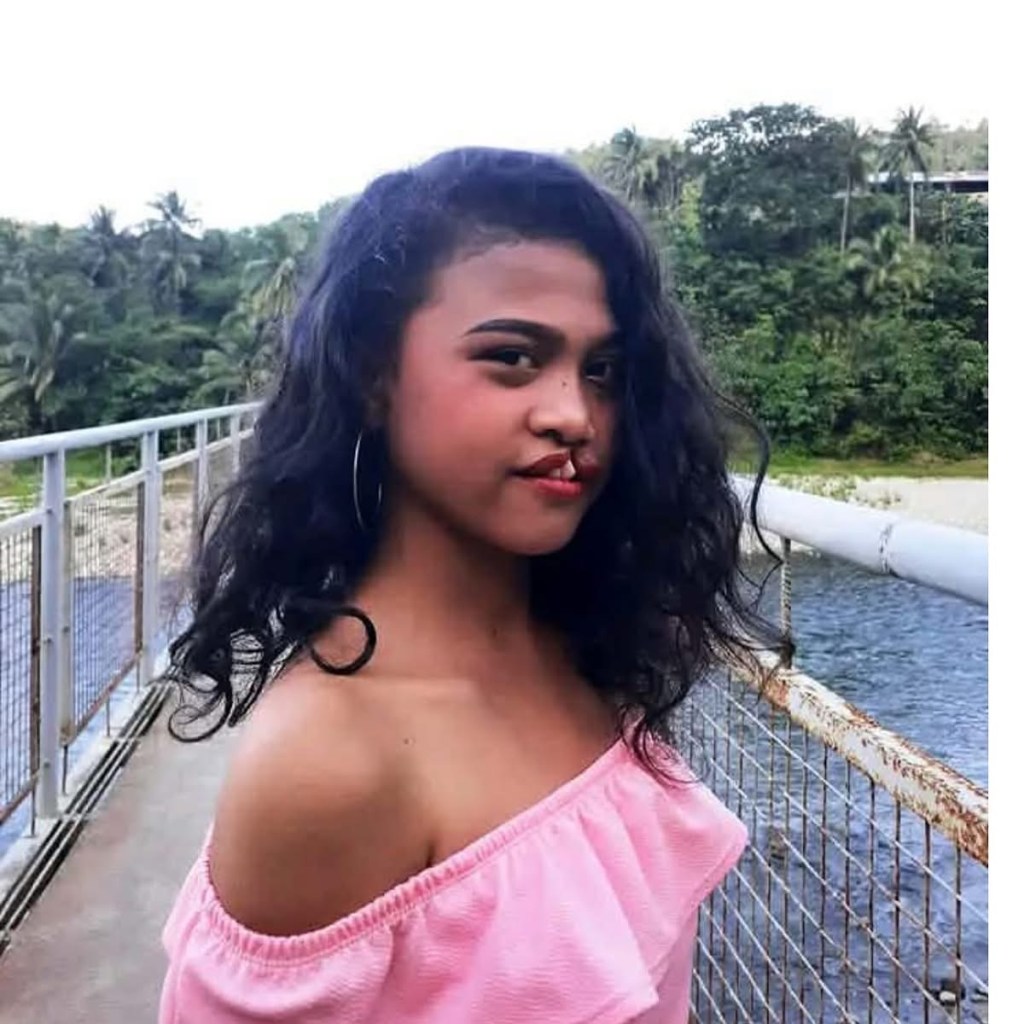
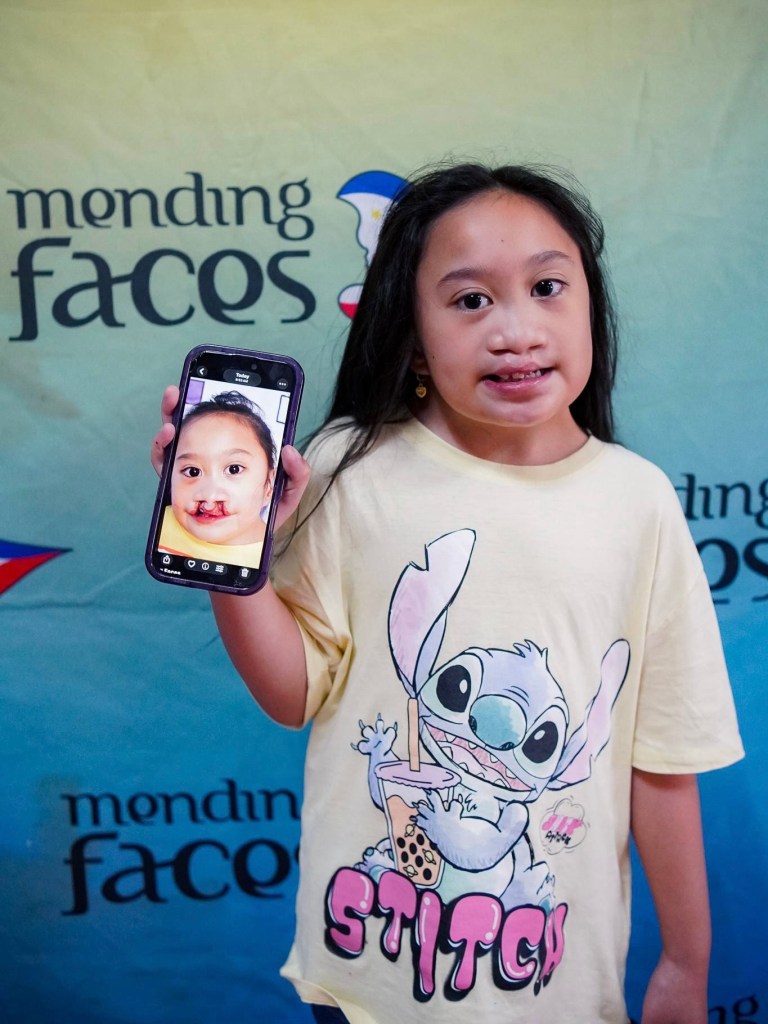
Each patient’s story is unique, but the story of a former patient really caught my attention. Dianne was a patient several years ago – a confident 14 year old that grew up with a disfiguring cleft lip. I look at her “before” picture and I think about how she had to navigate life as a teenage girl with this condition — life as a teenager is tough enough under the best of conditions. But I also see a young person making the best of what she has — gotta love that attitude.
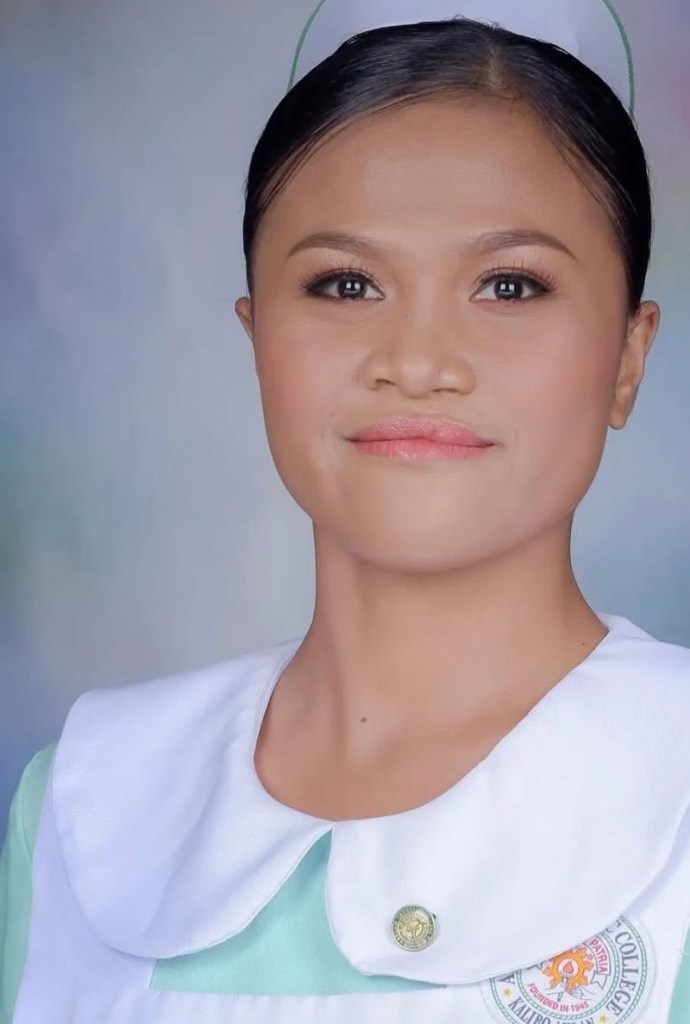
Fast forward to today, Dianne shows up at the hospital having just received her BS in Nursing from a local university to say thank you to the surgical team — her experience repairing her own cleft lip being a key reason she wanted to become a nurse. There are multiple levels of coolness with this story.
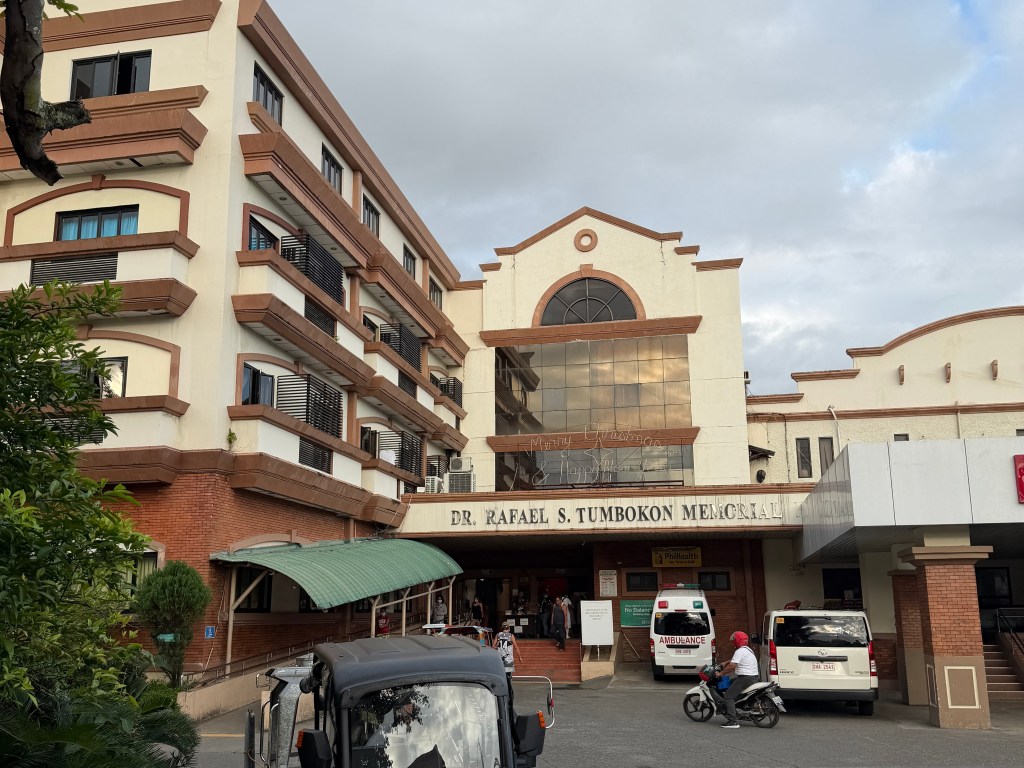
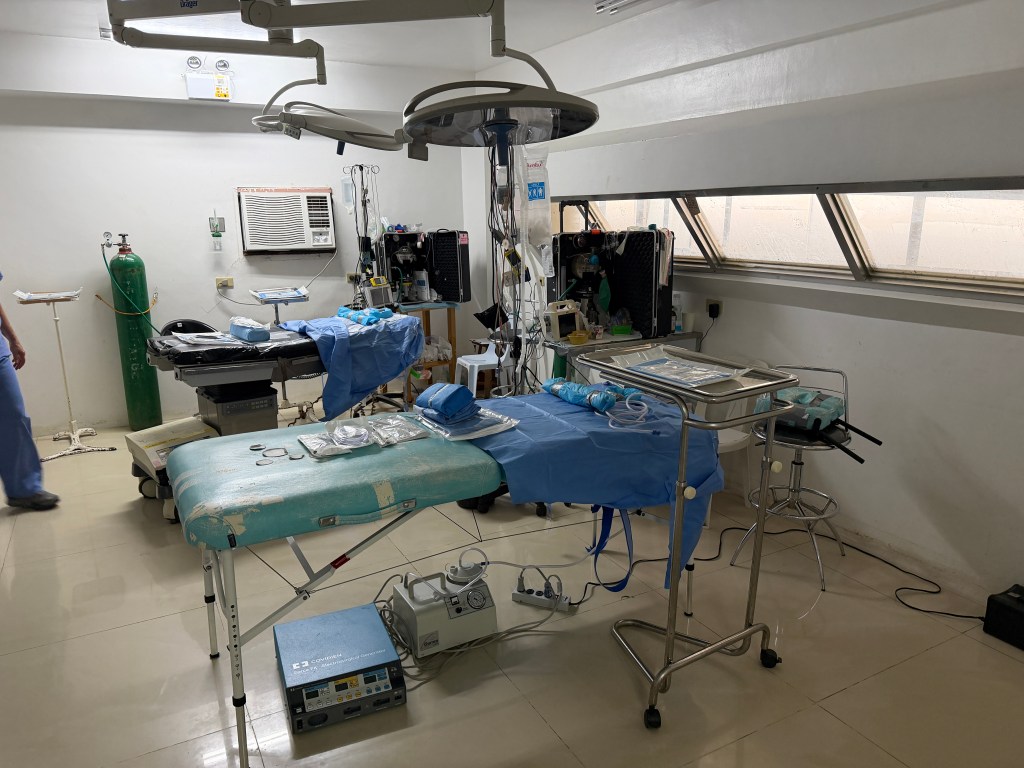
Working with local governments and civic organizations (e.g., Rotary International), the team operates (literally 😉) out of a local hospital, in this case taking over two operating rooms in Tumbokon Memorial Hospital in Kalibo, and brings in all their own gear, supplies, medicines, furnishings and staff for these week-long missions. Essentially, they are MASH units: set up in empty ORs over the weekend and then on Friday, they are torn down, boxed up and gone with nary a trace but for the dozens of healed humans left behind. Pretty slick.
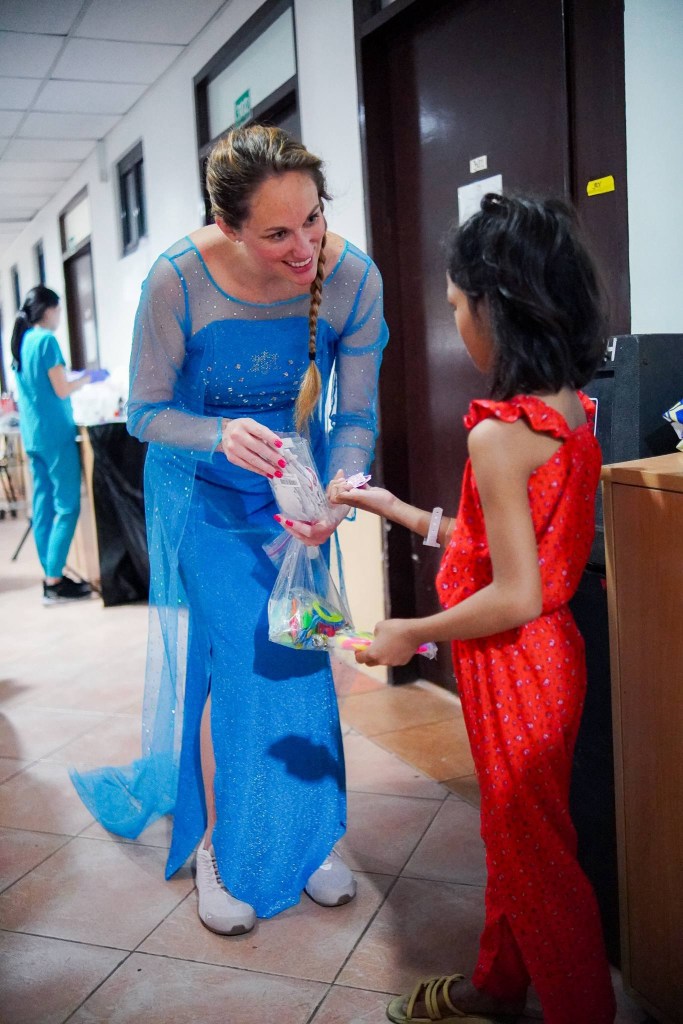
One other touching story highlights the wife of one of the PACU nurses (Post Anesthesia Care Unit, aka Recovery Room; more new lingo I learned 😊). Lindsey is a school counselor at home and was assisting in the PACU where her husband was working and had the wonderful foresight to bring her Elsa (Disney princess) costume and bags full of kid-worthy swag. It was a huge hit with kids and adults alike. Lindsey also sang Let It Go at the wrap party on Thursday night — so fun. Just when I’m starting to understand the heart of the people that give of themselves so selflessly to improve the lives of others, discovering their hidden talents is quite a bonus treat. Another case in point: The two Swiss gents on the anesthesiology team have a punk rock band back in Geneva and play clubs and festivals to throngs of fans. Who wudda thunk?
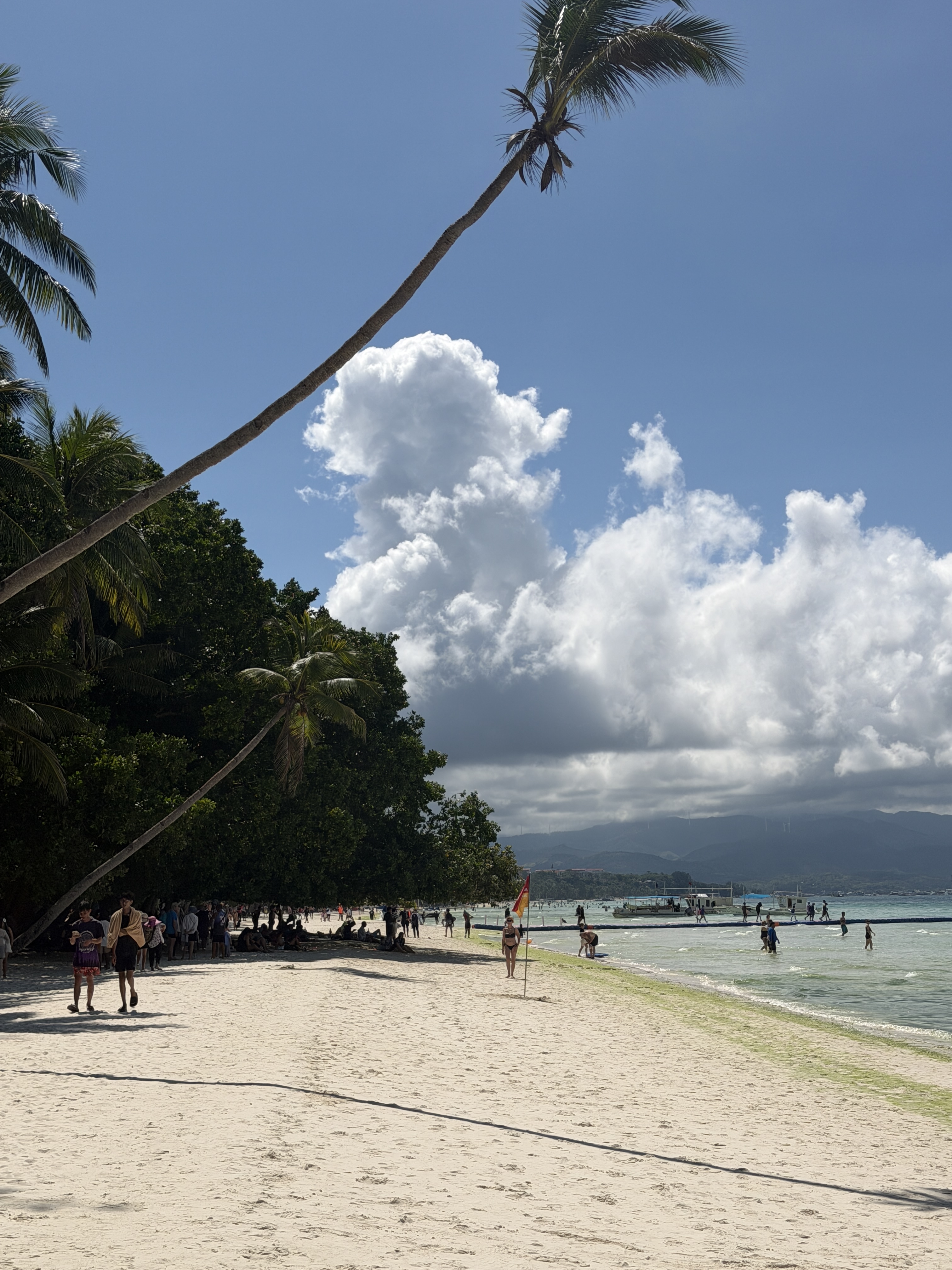
After finishing up packing the ORs on Friday, we joined a few of the group in spending the next few days in Boracay, an island just off the northwest corner of Panay — a couple-hour drive and couple-minute ferry from Kalibo, where the mission had been. I was keen to visit Boracay, as it is a frequent visitor to world’s best beach/best island lists. The main tourist beach, White Beach, stretches some 5 km along most of the west side of the small island (1/6 size of Manhattan) and is served primarily by a sand path at the top of the beach. Motorized vehicles are prohibited, people are more relaxed and it’s quieter. Nice. Plus thus far, there are few large, multinational hospitality corporations with hotels on the island, so it still retains a welcome, out-of-the-way vibe.
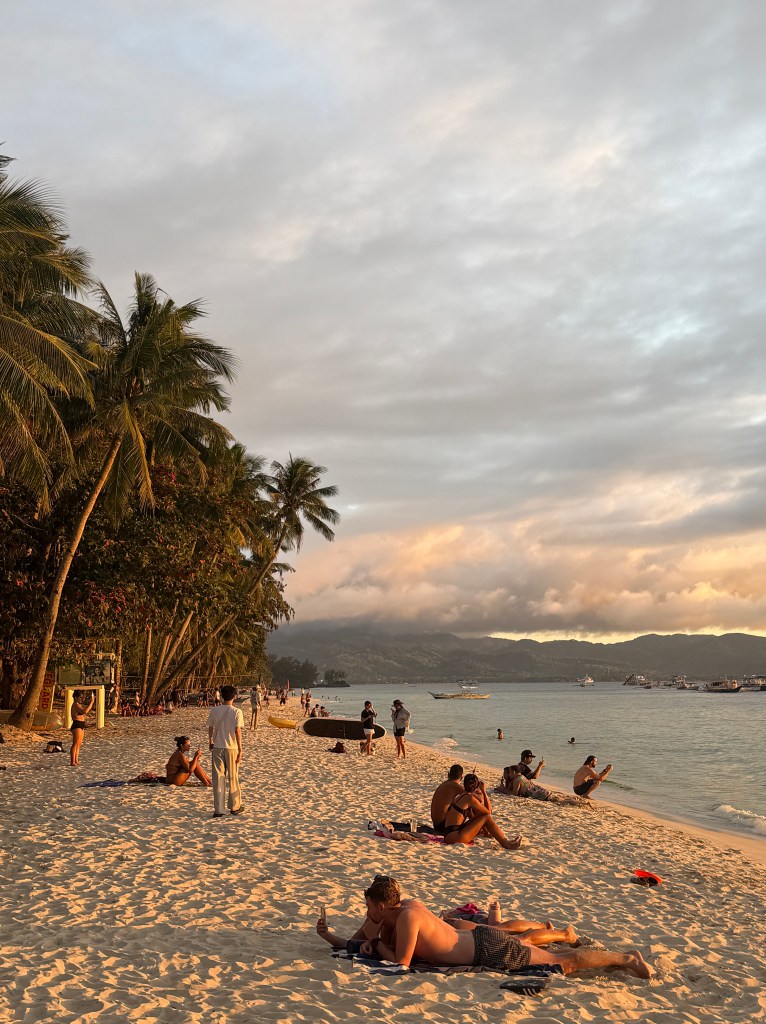

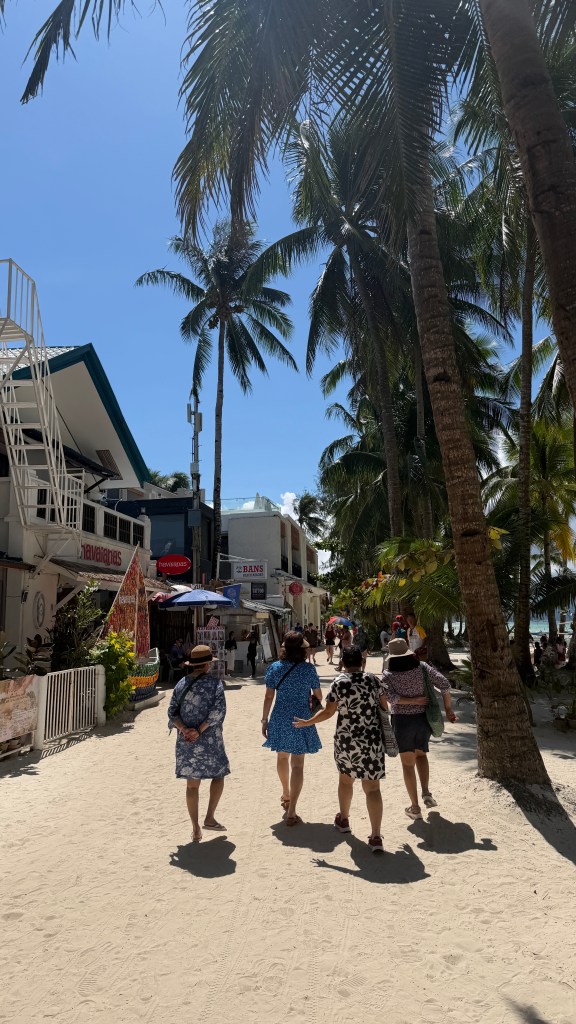
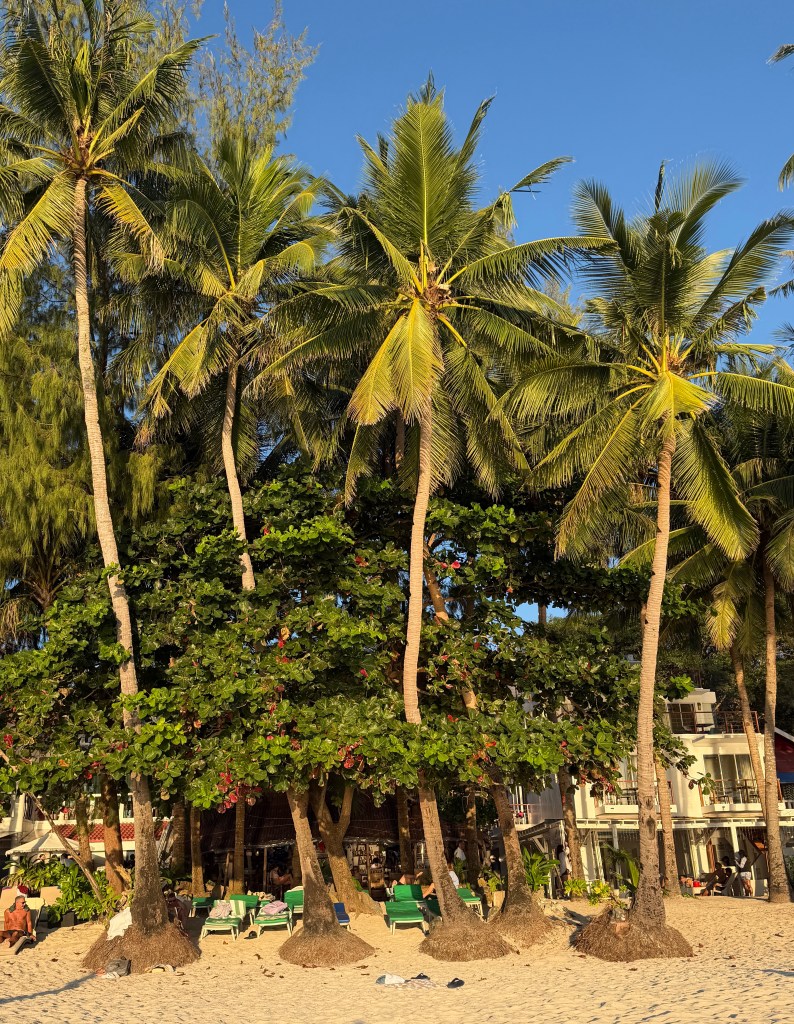
Coincidentally, Donna, the wife of one of Mending Faces’ board members, grew up on Boracay and they still operate the beachfront hotel (Cocoloco Beach Resort) where we stayed. It’s pretty idyllic: an open beachfront bar, tasty food and rooms tucked away from the bustle of the beach. Sitting at the bar, it’s easy to soak up the whole classic, tropical island vibe: white sand beach shaded by leaning palms, with azure waters lapping with a “come hither” sound.
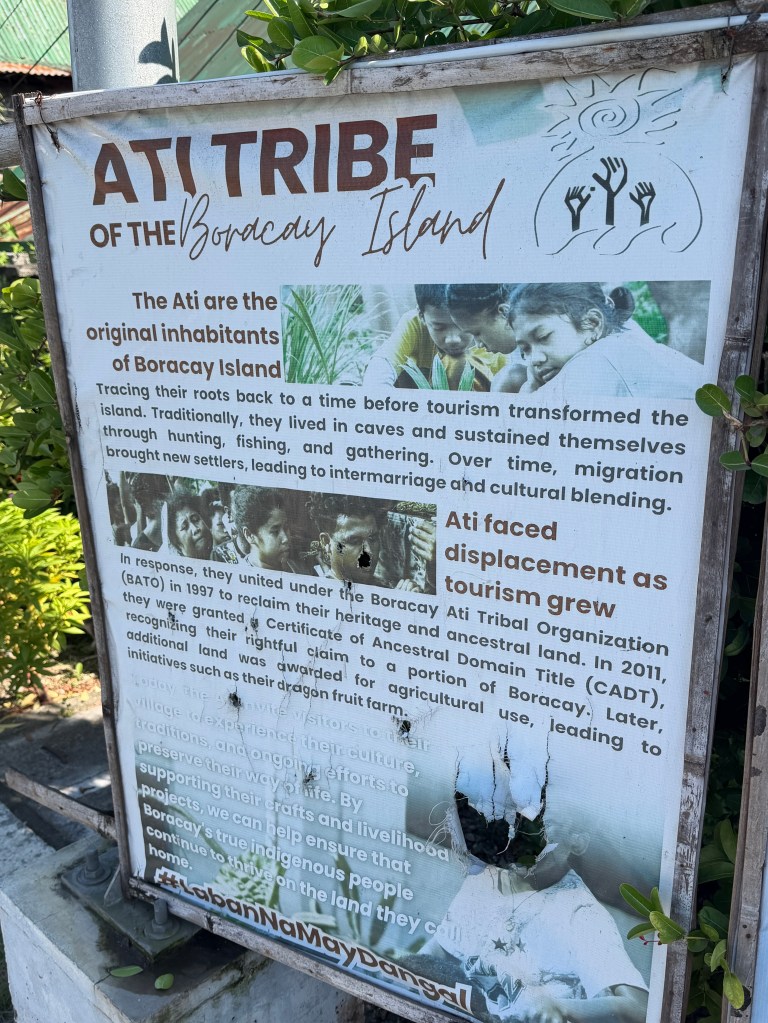
It was interesting to hear Donna talk about how Boracay has been transformed by tourism in the past 50 years. Ornate sea shells were once commonly found on the beach, but they are long gone. Development brought water quality problems, bringing waste treatment into focus, with better solutions now in place. And there are even parallels in the treatment of native Americans with the native Ati tribespeople on Boracay. Socially ostracized since the post-war period, with many unwillingly displaced in the name of development, the Ati have finally been ceded some ancestral lands on the island by the federal government — a reservation, if you will — although there is still discussion around the arability of the land. So the marginalized remain marginalized, but at least there is some level of collaborative effort between the Ati and the government to manage their cultural transition as it unfolds in our “modern age.”
As I was keen to experience different aspects of The Philippines, we then spent several days on the west side of the neighboring island of Cebu, at a dive-oriented hotel just north of Moalboal. Originally I was drawn to this area not only because this hotel is set up for diving and snorkeling, but because of a nearby reliable sardine run that is, apparently, snorkel-able and there are whale sharks in the area too, which I have always wanted snorkel around. What I learned upon arrival, is that the whale shark situation is horrible for the sharks (locals getting this migratory species hooked on human-provided food, essentially being made into poorly-treated pets) and, while the sardines are a thing, they seem best appreciated by scuba, as they are generally schooling in deeper water, plus I learned the water quality in this area is occasionally unhealthy. As a consumer, especially in the absence of any responsible regulatory authority, I’m gonna exercise my ability to say “no thank you” to those operations or experiences that are irresponsible or abusive to the planet. So there…
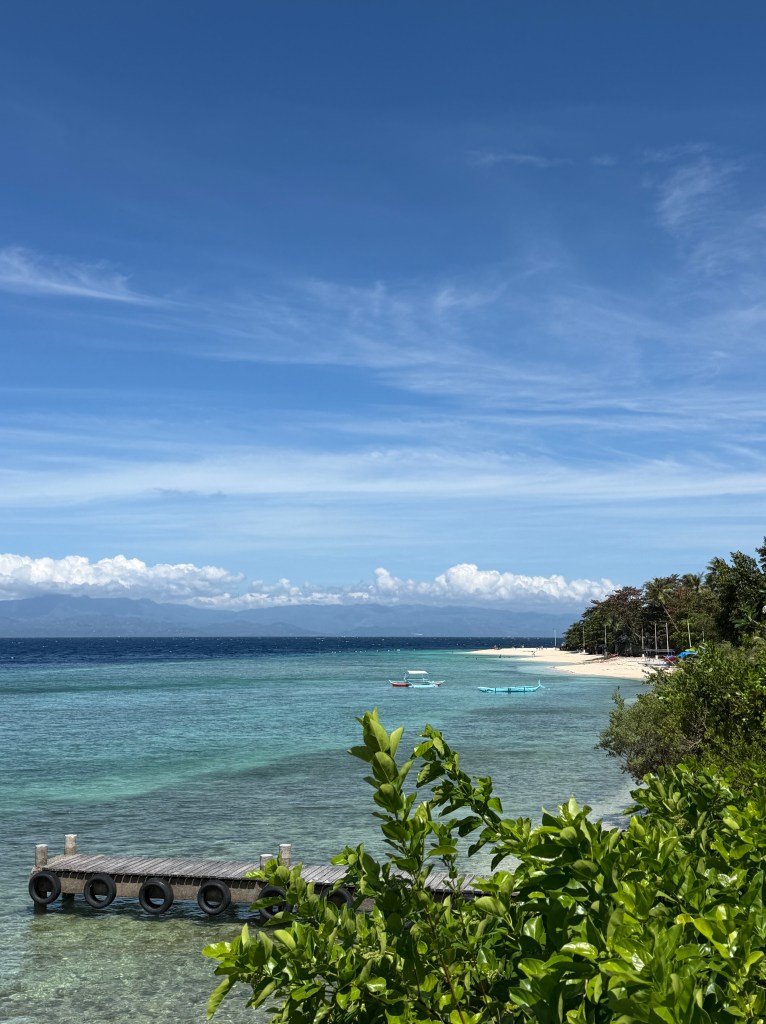
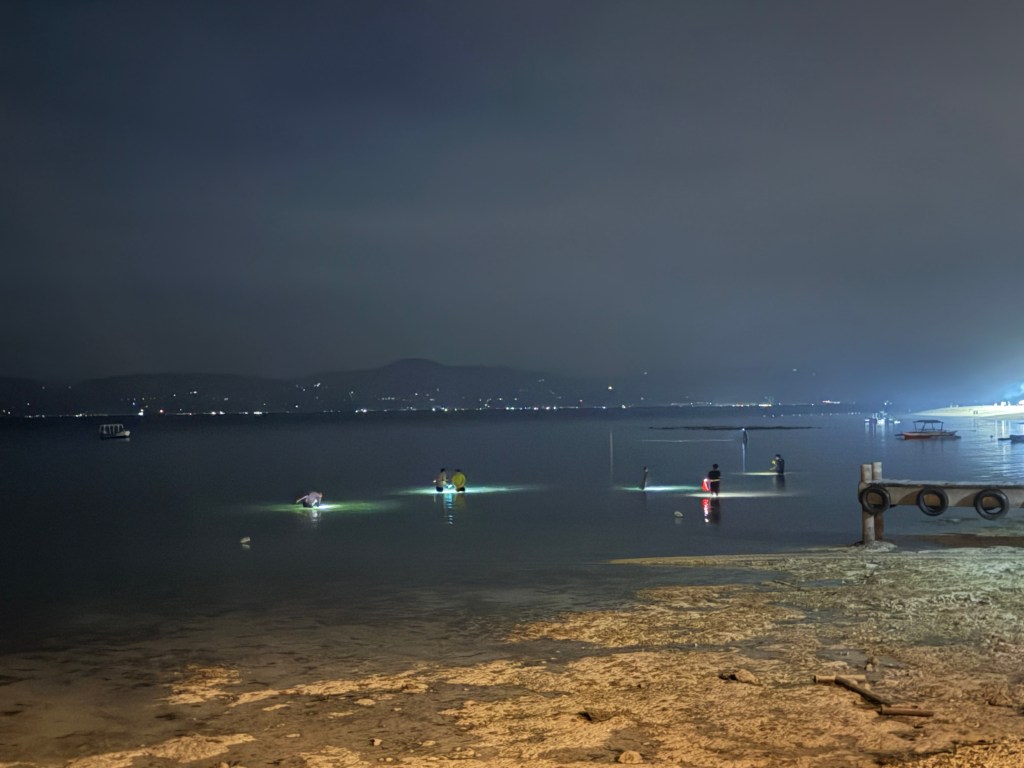
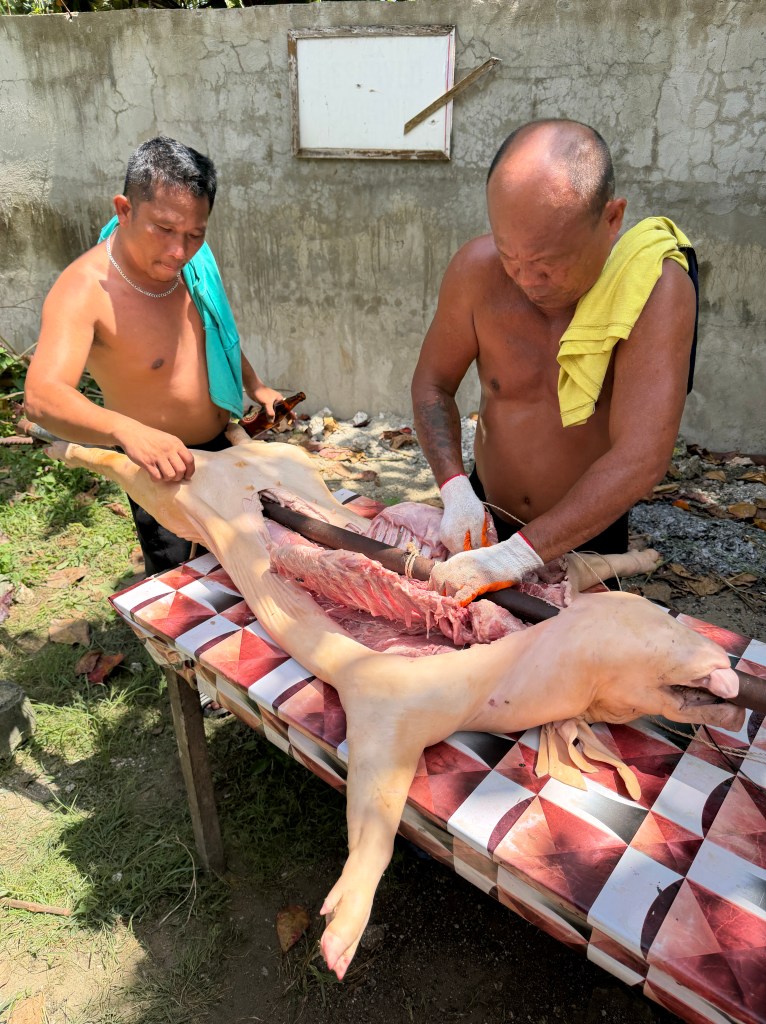
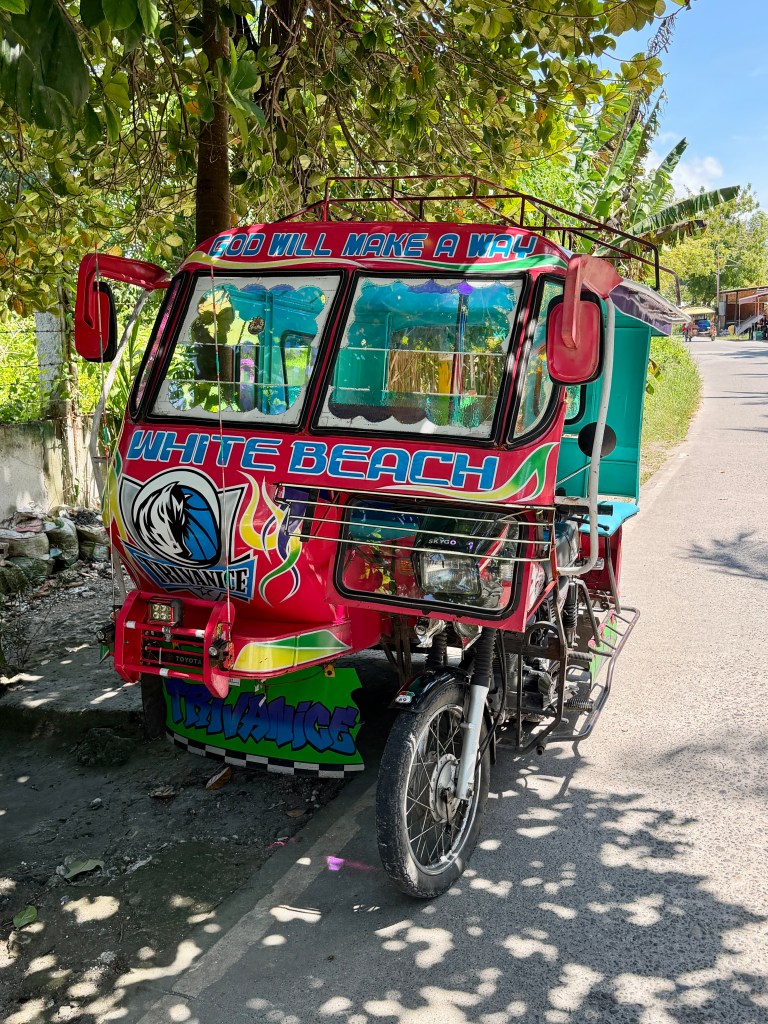
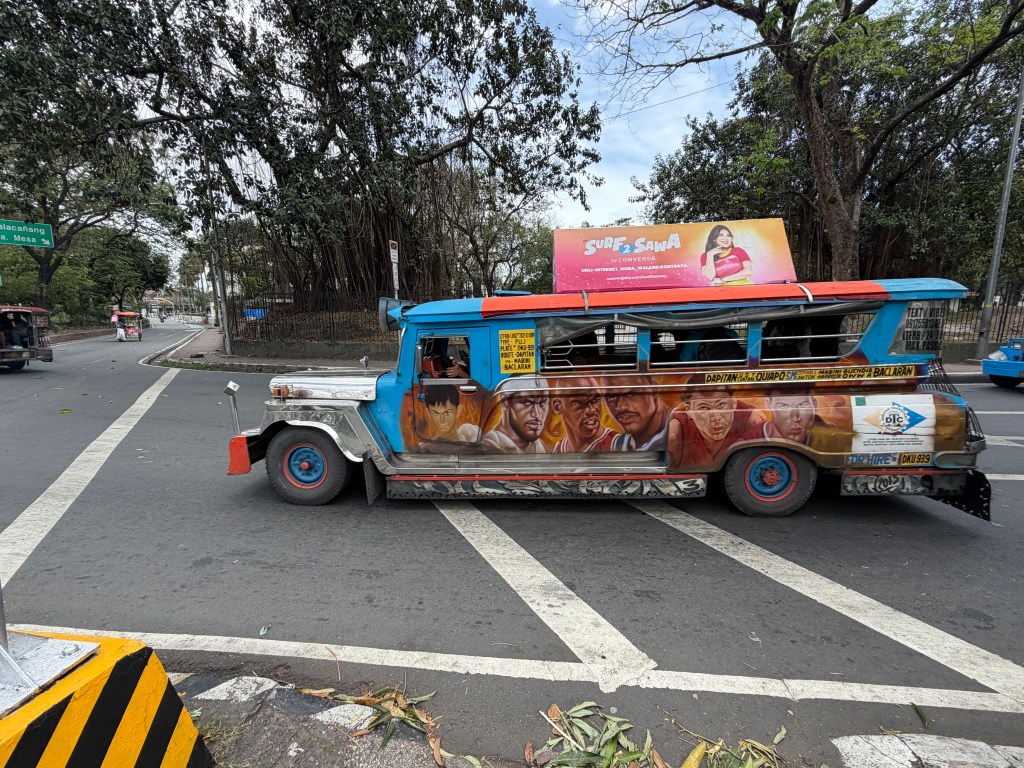
As it turns out, I didn’t miss those things a bit. The hotel is right on a terrific reef and is adjacent to a lovely beach with a couple of small hotels and farms as neighbors. I enjoyed wandering around the area, running into interesting sights such as the guys getting their pigs ready for being roasted on spits, or perusing the myriad, colorful trikes along the roadway awaiting beachgoers and serving as the dominant form of motorized transportation outside of the cities.
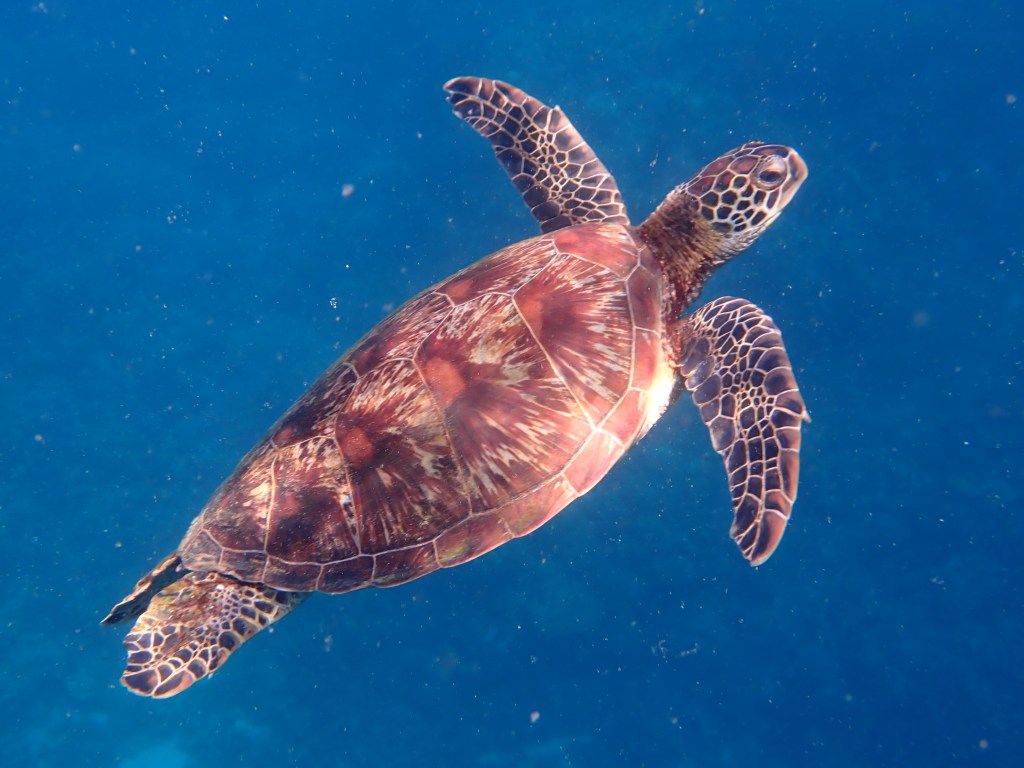
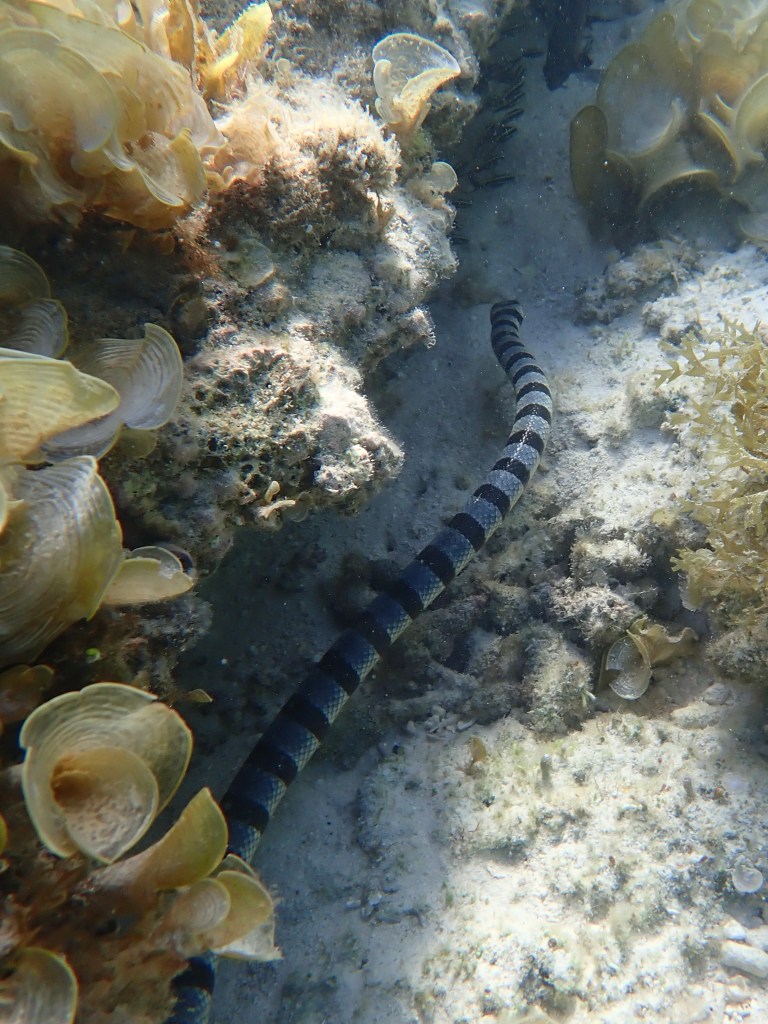
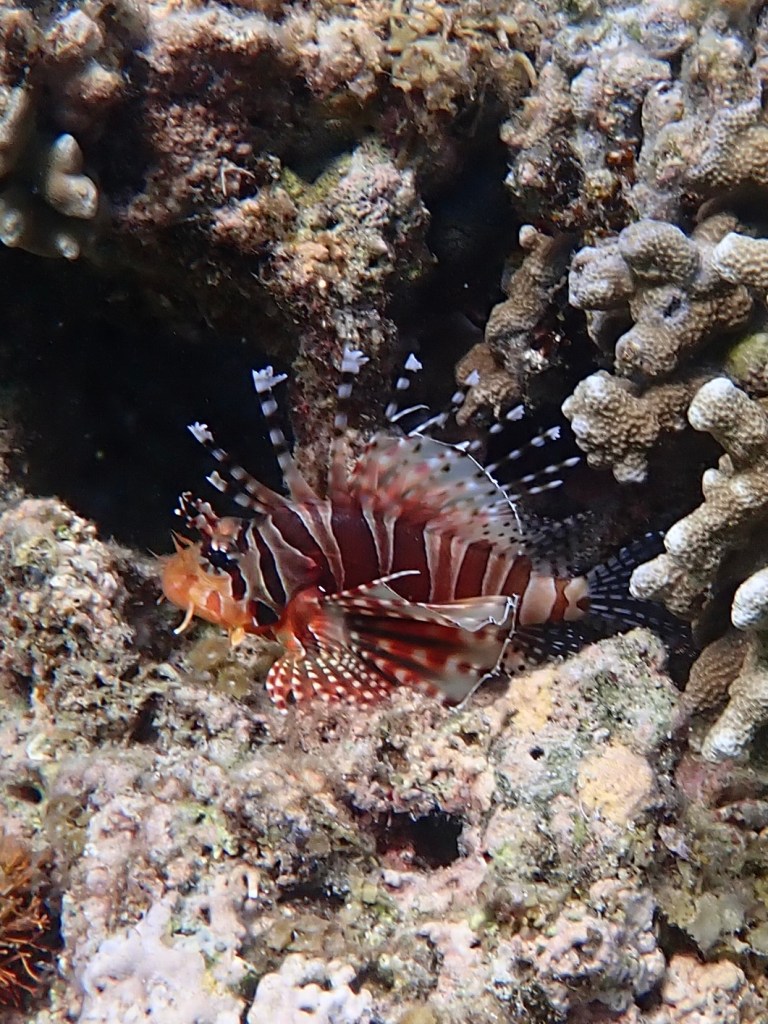
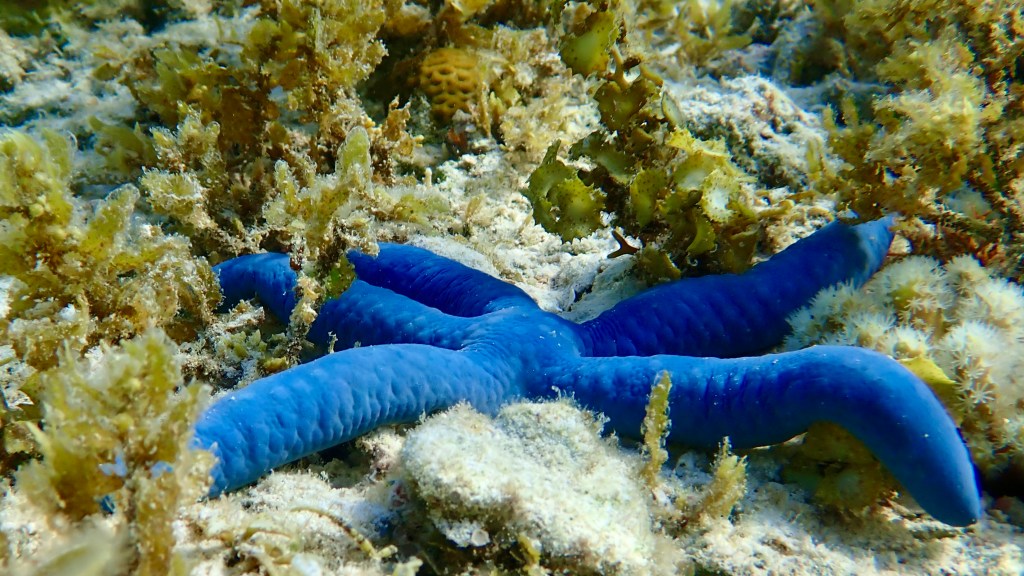
Another thing I loved about the hotel is that the snorkeling and beach combing are excellent. I have enjoyed these activities since I was a kid (original motivations in wanting to be an oceanographer.) I love how my forager instincts are activated by these activities as well as how calming these are… well, maybe until the random sea snake makes an appearance…
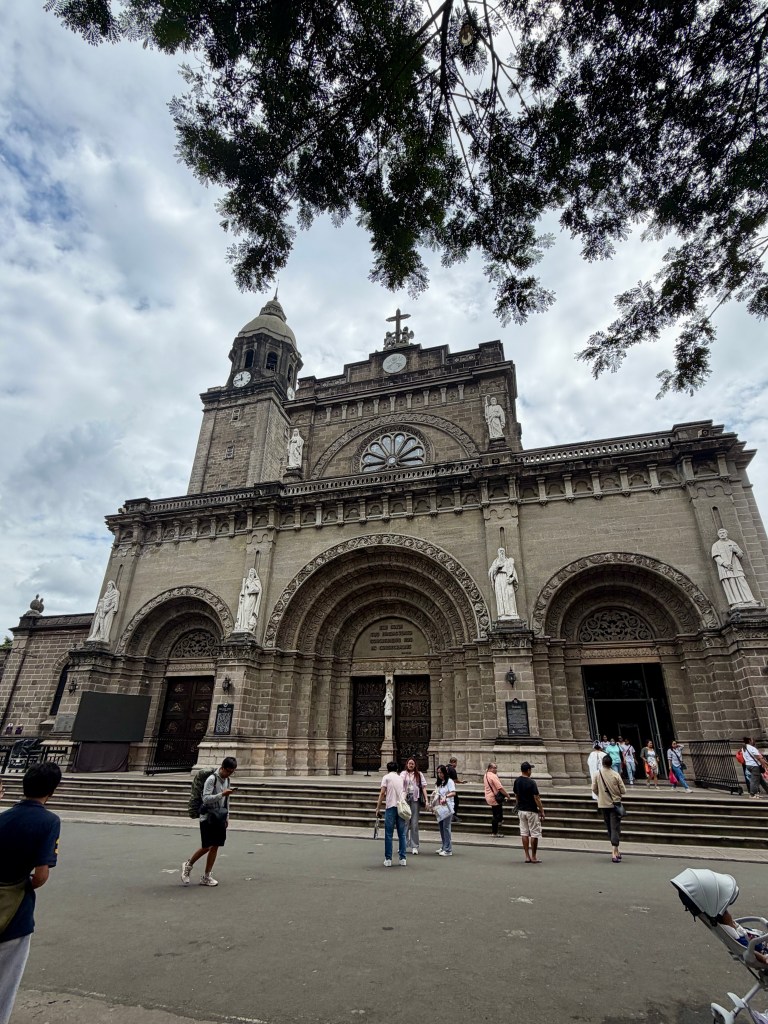
Before we left the country, we spent a couple of days in Manila, staying near the original Spanish walled city known as Intramuros. Manila’s 450 year old Catholic cathedral is nearby, now on its eighth iteration due to fires, earthquakes and war. Five hundred years of Spanish colonial and Catholic influences on the cultural are deep and thick, from food to urban planning to language to… cutlery? To this day it is typical for place settings at homes and some restaurants not to include a knife, as the Spanish colonists didn’t trust the locals to have knives and that became a tradition that survives to this day. It is interesting to note how some society-wide decisions can be so persistent, even after their original raison d’etre is long gone.
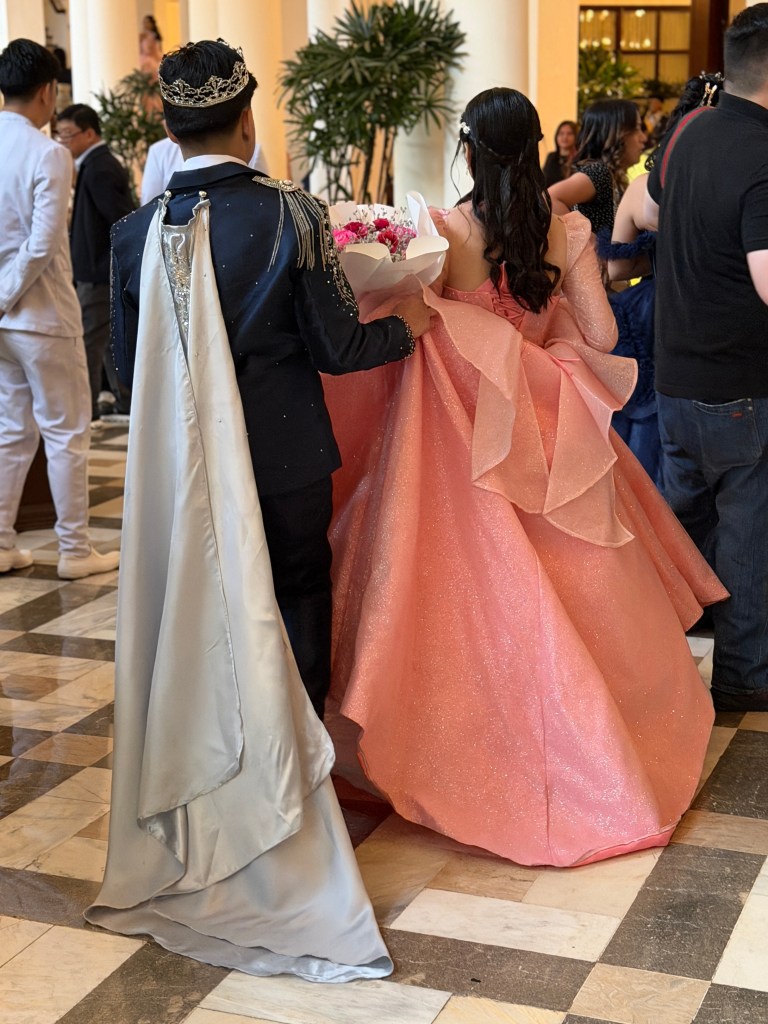
It was also prom season and, boy, do these kids really know how to dress up: gals in heavy coif mode and elaborate dresses, and guys with capes, canes & sequins. Each night we were there, the lobby of The Manila Hotel was beset with scores of young adults, with moms & dads and aunty entourages in tow. It was all so adorable and hopeful and further illustrates how the love of celebration runs deep in Filipino culture.
I‘m grateful for the opportunities to snorkel and shell in such a different marine environment and explore various parts of this fascinating and complicated land. I already have thoughts about coming back — after all, there are still 7,637 islands left to visit…
But my biggest takeaway is around the amazing people who give their time, their talent and their treasure in order to heal fellow human beings that they never would have otherwise met and who live on another side of the world. It is beautiful. And to think that, without this particular trip, some of these patients may not have been helped. That is beautiful-er. And, that the nature of these surgeries permanently and meaningfully alter these patients’ life trajectories? Beautifulest.


Leave a comment