Why Ethiopia? It is the question I asked myself when this opportunity first arose. Some answers seemed to come quickly: It is a cradle of mankind and the site of preeminent paleoanthropological discoveries (e.g., Lucy, the missing link between humans and apes); its civilization dates back millenia; there are extraordinary sunken, rock-hewn churches and an age old blend of Christian, Judaic, Islamic and tribal traditions. Clearly a culture and land worthy of exploration (and worthy of 12 UNESCO World Heritage sites), yet beyond Travel Chanel sound bites and some scattered, marque-level historical touchpoints such as Haile Selassie, Live Aid and Lucy, I realized I know little about this country and its people. So here I am.
Situated in the Horn of Africa surrounded by Somalia, Kenya, the Sudans, Egypt and Eritrea, and about the size of California and Texas combined, Ethiopia is the tenth most populated country on the planet with about 135M people. That is just an estimate though, as there hasn’t been a census in about twenty years. It’s also the world’s largest landlocked country, which factors mightily in Ethiopia’s present messy geopolitical stance — more on that later. And it is a poor country, with 2/3 of the population living in poverty. While conditions have improved since the famine in the mid-1980s that came to the world’s attention via the Live Aid concerts and the hit single “Do They Know It’s Christmas?”, many millions still live on the brink of viability.
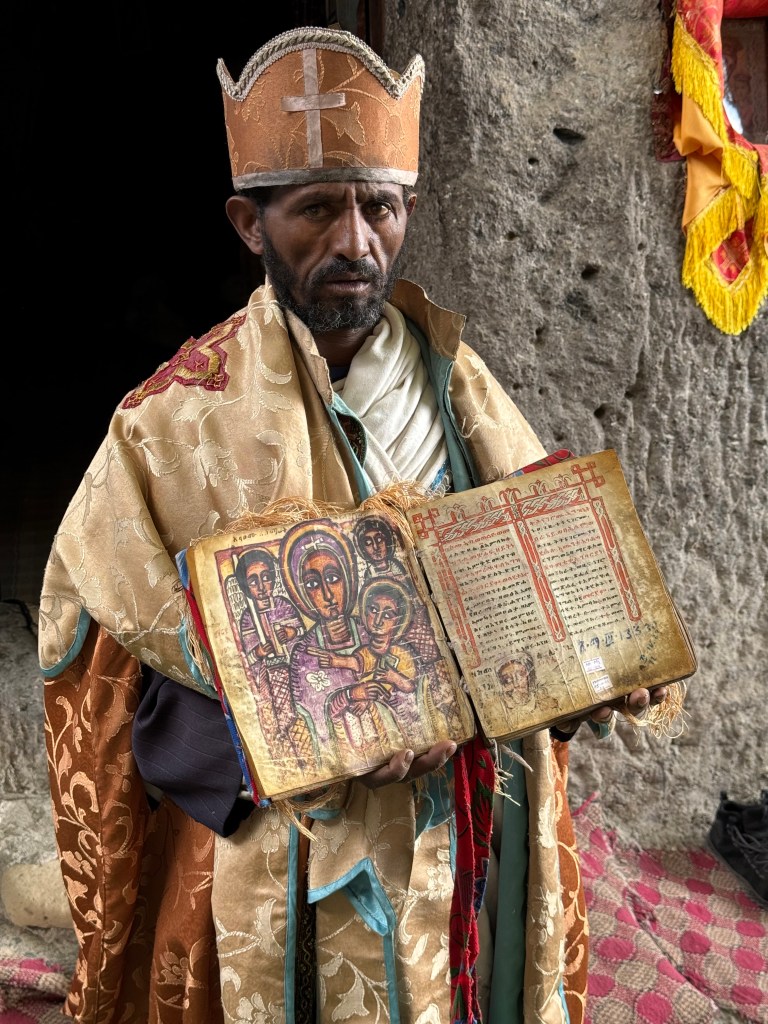
Unique to the region, Ethiopia is a majority Christian nation, with two-thirds of the people Ethiopian Orthodox Christian, with most of the rest Muslim. Yet, interestingly, there is no sectarian violence or animosity between Christians and Muslims, nor has there been for centuries.
There are, however, significant tensions and lingering resentments amongst some of Ethiopia’s 83 ethnic groups, with on-the-edge-of-civil-war troubles simmering in real-time. Our trip itinerary had already been modified to exclude certain areas (e.g. Axum, in the Tigray region, where the Ark of the Covenant is said to be kept) because of “political instability”, skirmishes are being reported in the Ethiopian Google News feed and local reporters and think-tanks alike suggest things may break before summer — let’s pray not.
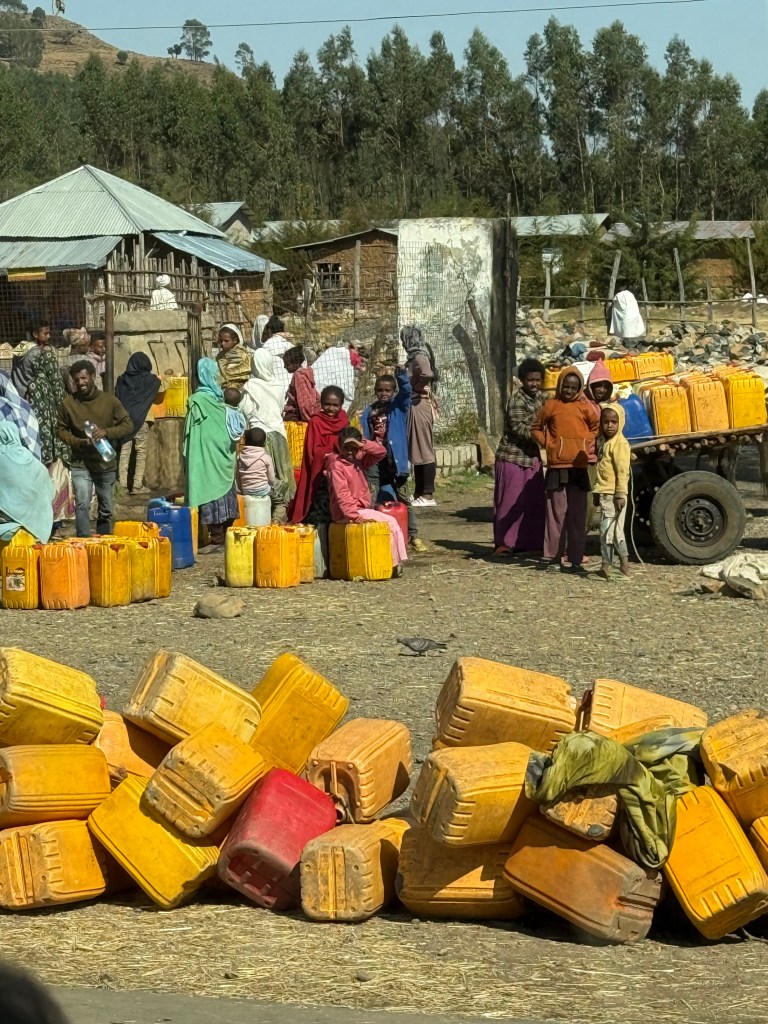
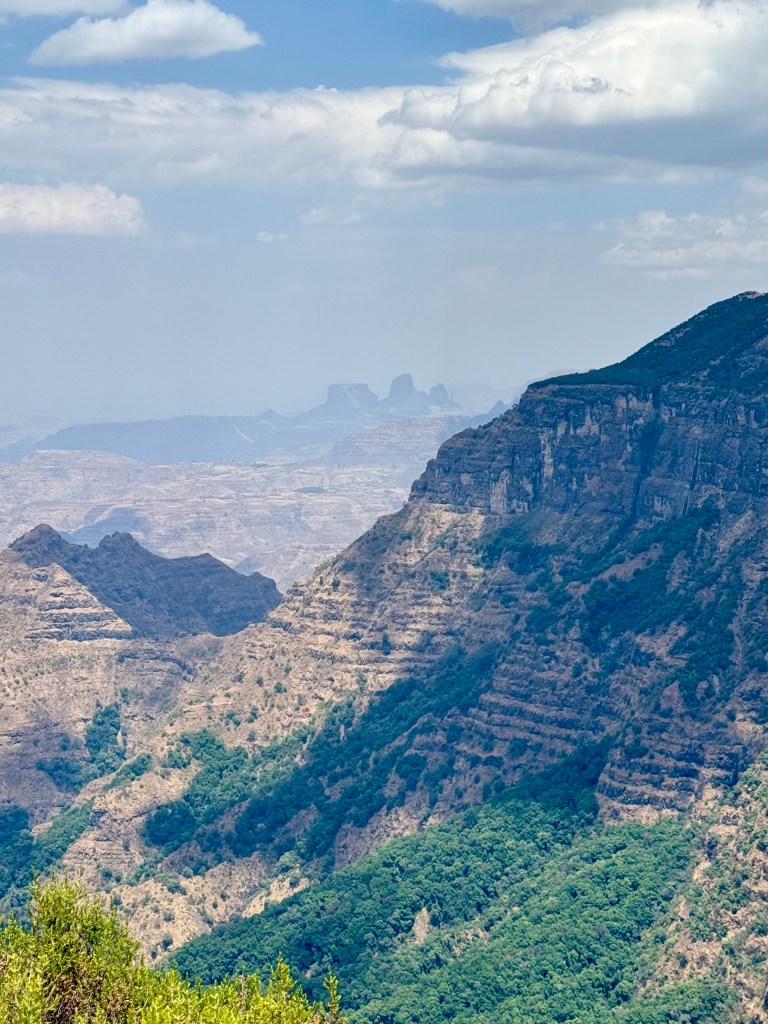
Geographically, much of the country is at altitude; 80% of Africa that lies above 3,000m (~10,000 feet) is in Ethiopia — the Roof of Africa, as it is known. Yet, one of the lowest spots on the planet is the Rift Valley in the Afar region and is also the hottest place on earth — both of these features are due to the African and Somali tectonic plates saying “bye-bye” to one another, stretching and tearing the earth’s crust into what will eventually become an arm of the Red Sea that may stretch all the way to Tanzania.
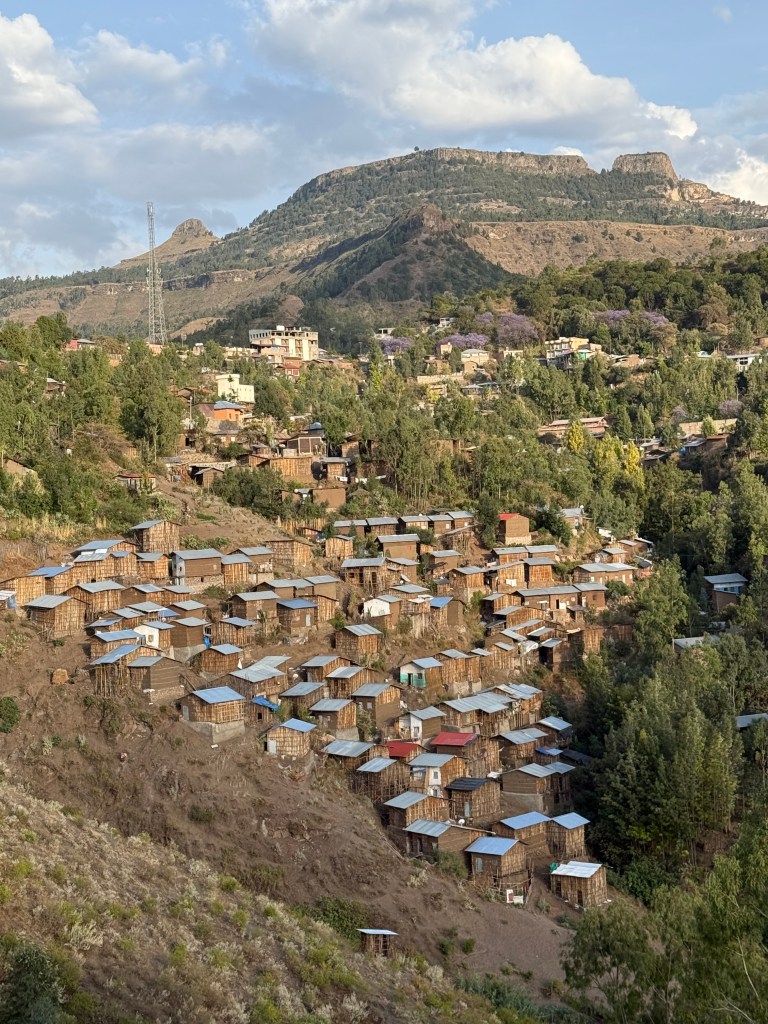
Ethiopia was occupied by Italy for 5 years (although not considered colonized) until liberated in 1941 with the assistance of British forces during WWII. The long, generally productive reign of Emperor Haile Selassie (aka Ras Tafari – he is a divine figure in Jamaica’s Rastafarianism religion) followed, until he was assassinated by communists in 1974, who then ruled unproductively until the collapse of the Soviet Union and they too were ousted and the present democratic governmental structure was adopted in 1991. With simmering tensions amongst some of Ethiopia’s ethnic groups unresolved, a full-scale, two-year-long war in the northern Tigray region broke out in 2021 — much of which was not covered by the western press. Over a million people died from war and attendant hunger and disease, and the scars live on in shattered families, disrupted education and still-unresolved regional conflicts that may crack open any day now. It’s is so sad to see, especially since these warring factions tend to be culturally, spiritually and physically identical — only the politics differ.
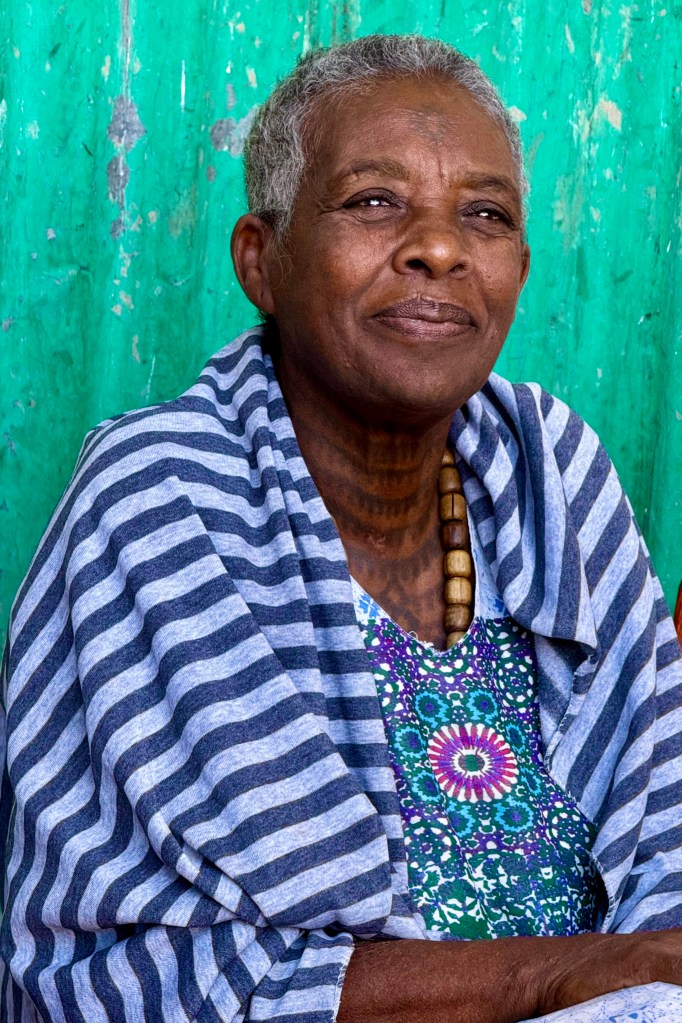
To make matters more troubling, relations with Egypt are especially sour because Ethiopia is now finishing the Grand Ethiopian Renaissance Dam, the first on the Blue Nile, which constitutes 85% of the Nile’s volume in Egypt, and stoking Egyptian fears of their water supply being throttled. Even worse, landlocked Ethiopia is engaged in major sabre-rattling with neighboring Eritrea over port access to the Red Sea, which may soon become a hot war of territorial conquest. As if all that isn’t enough, the recent dismantling of USAID programs, upon which the Ethiopian people relied in a huge way, can only inflame the level of desperation amongst millions here — as elsewhere — and create further instability, which cannot help the planet, much less our interests. It’s just so tragic and avoidable.
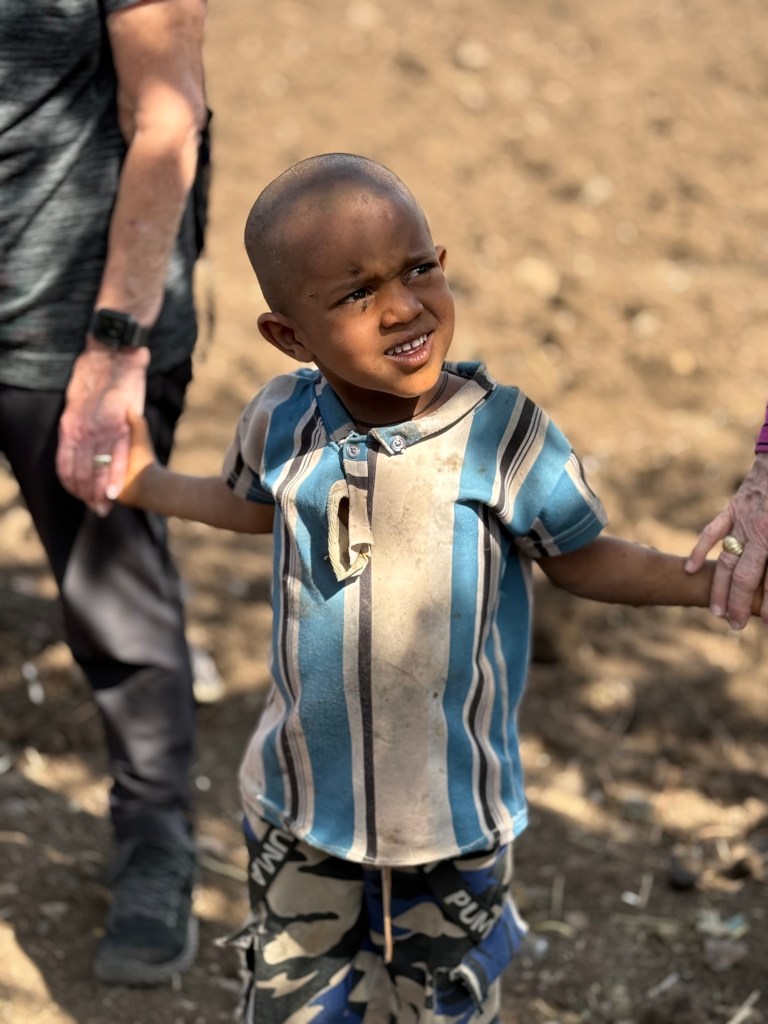
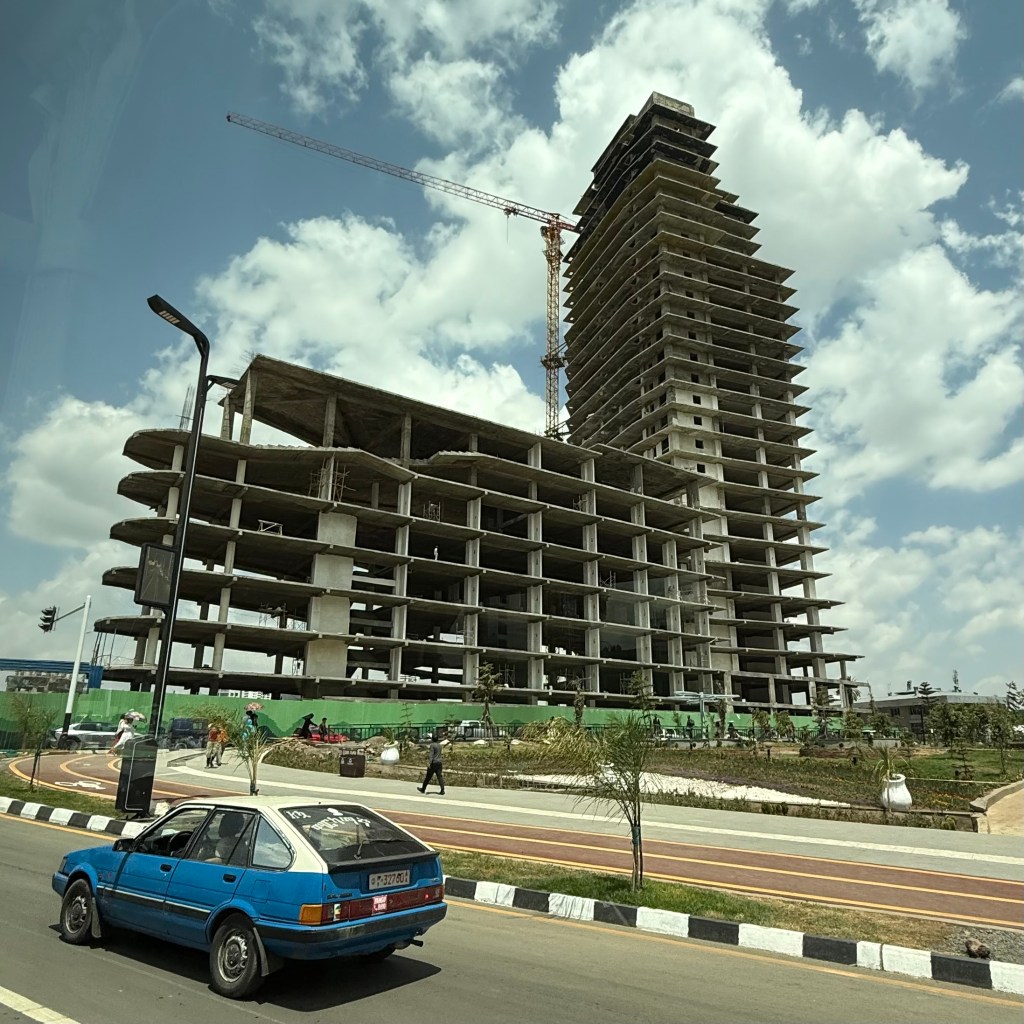
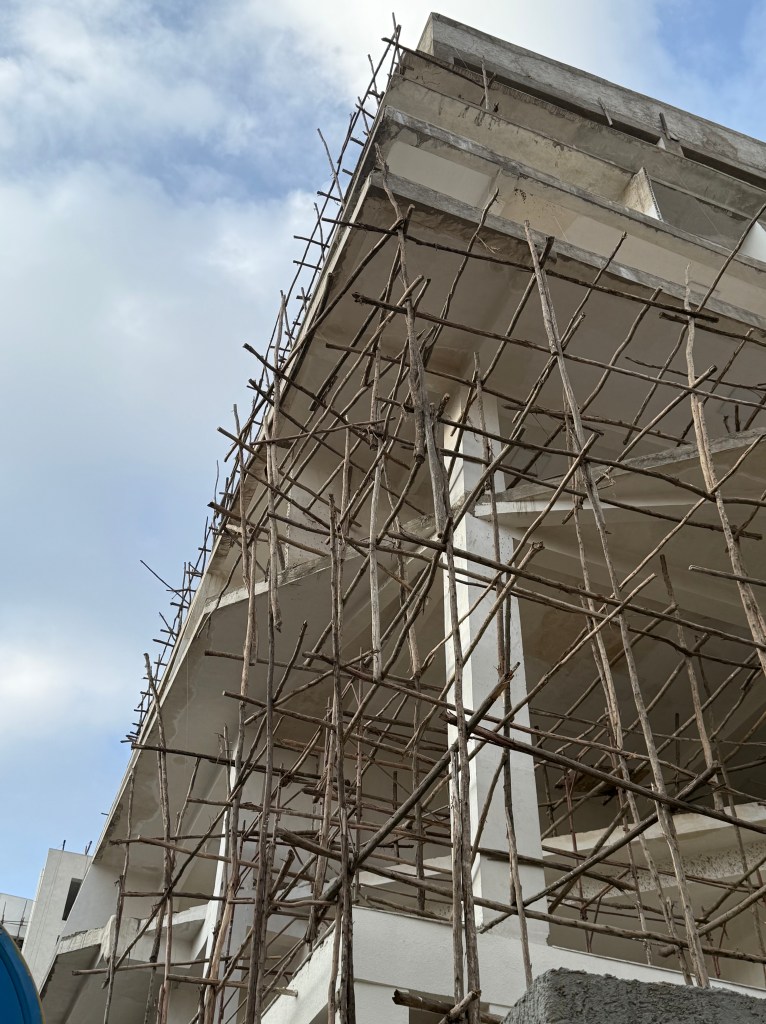
We began our trip in the capital city Addis Ababa (it means New Flower in Amharic). There is a massive construction boom occurring in the city, which befits one of the fastest growing economies in Africa, I suppose, (GDP up 3x in past 20 years) yet there are ongoing hardships resulting from a recent currency devaluation (50%) and there is a current hard currency crisis that prevents the government from importing enough fuel and other commodities. In cities across the country, thoroughfares are being widened, large tracts of land are being redeveloped wholesale and skyscrapers, condos and apartment blocks are springing up seemingly everywhere. It is clear that Prime Minister Abiy is working to push the country toward “Developed Nation” status, but not everyone is happy about all the building, and the choices of investment projects, especially those displaced by such works (who are, of course, typically poor and voice-less.)
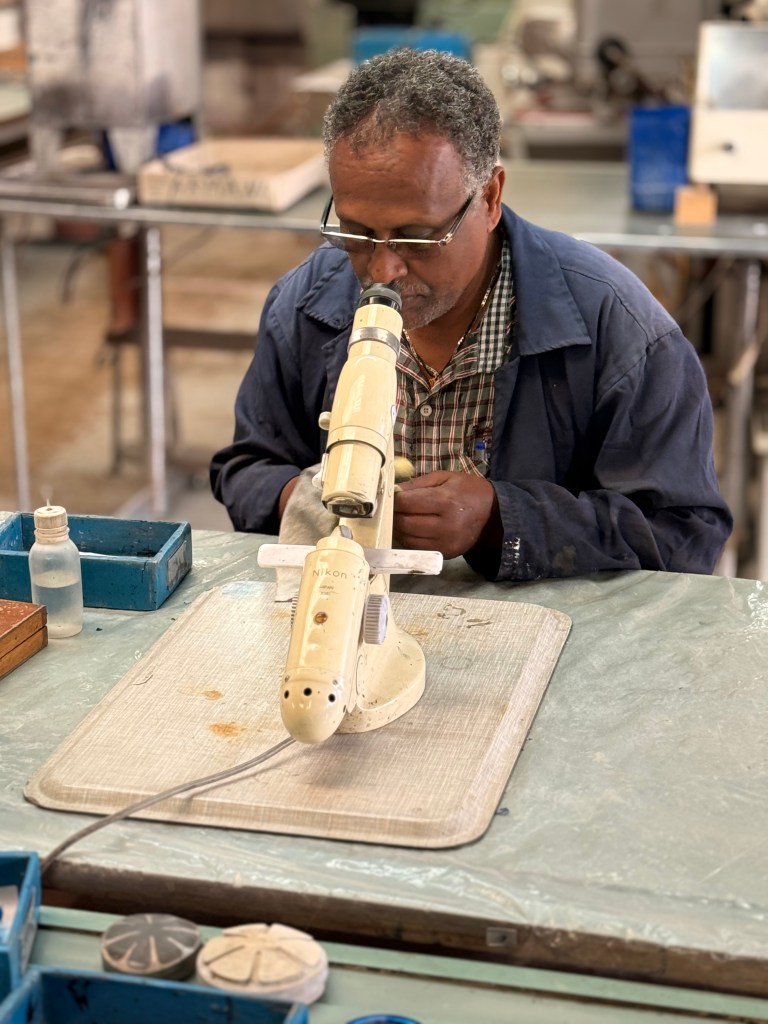
While in Addis we visited Signum Vitae, an eyeglass fabrication cooperative created by a German NGO, now locally owned, that employs disabled workers to manufacture eyeglass frames and lenses for those priced out on the open market. Such a win-win situation: those disadvantaged for employment gain a solid job making products available to those previously unable to afford vision correction. Nice!
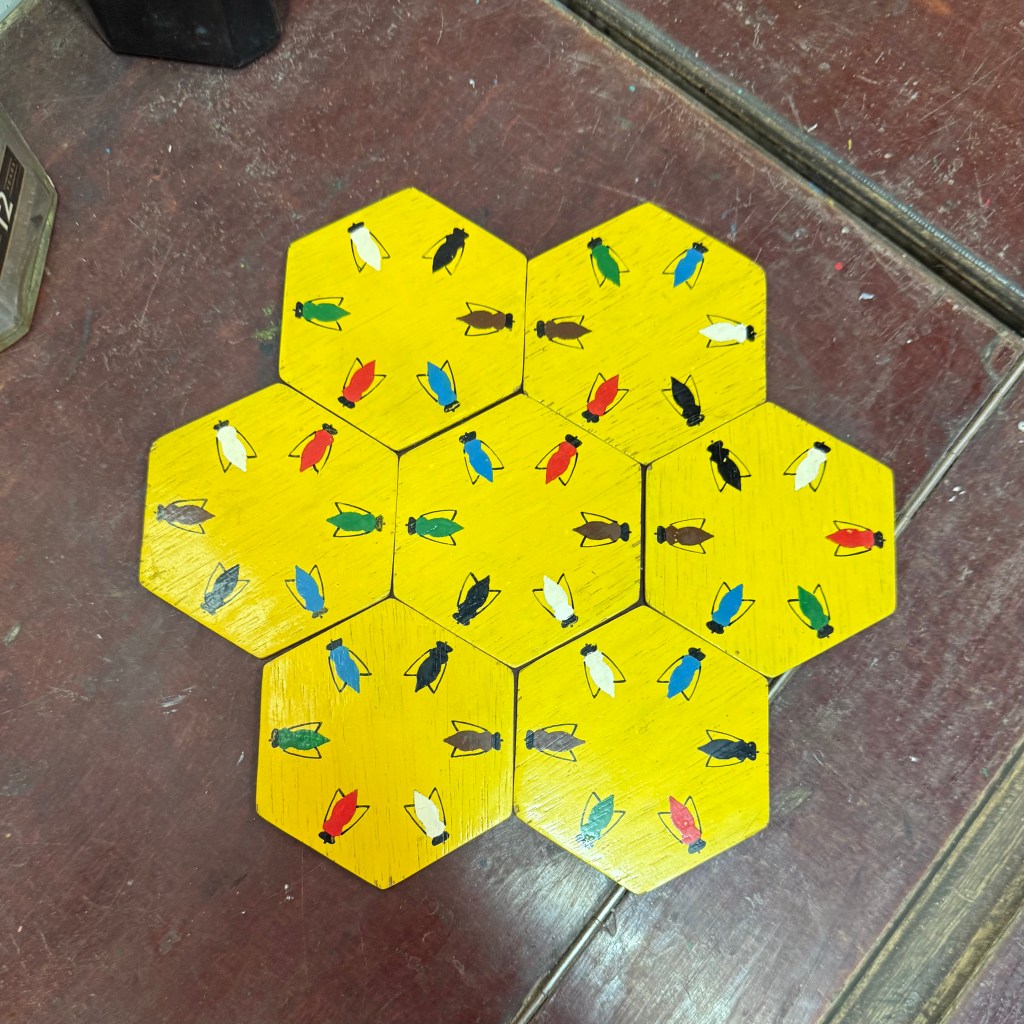
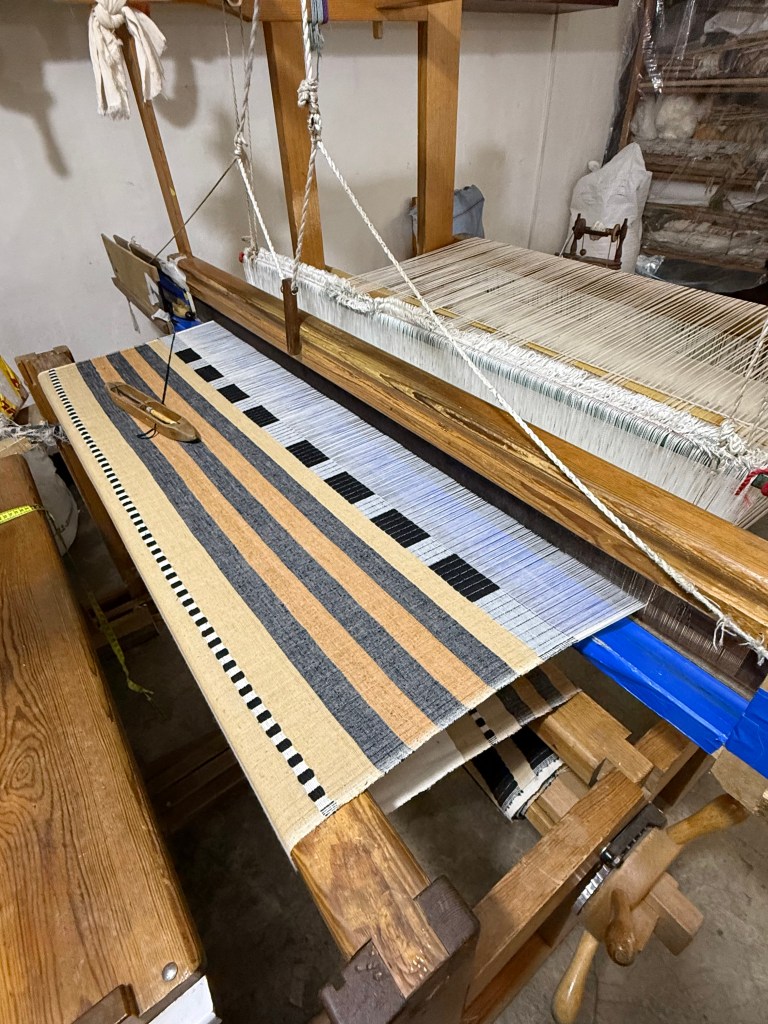
Another workshop we visited was Sabahar, a textile cooperative founded by a dynamic Canadian woman some 20 years ago. Focussing on spinning and weaving cotton and silk, they provide hugely important skills training, and their products are beautiful. So much so that the likes of Crate & Barrel, Design Within Reach and high-end NYC boutiques like Bole Road Textiles carry their products. It’s so cool to see how an idea, a bit of investment and a ton of hard work can make sustainable employment a reality for hundreds. Visit sabahar.com if your interest is piqued…
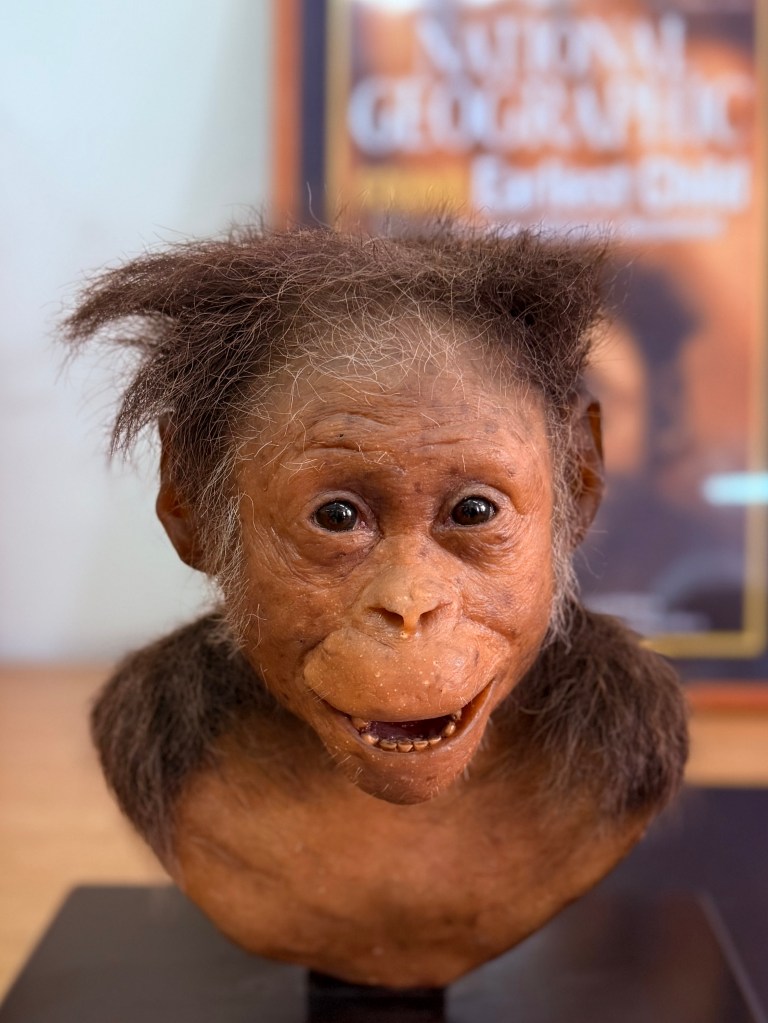
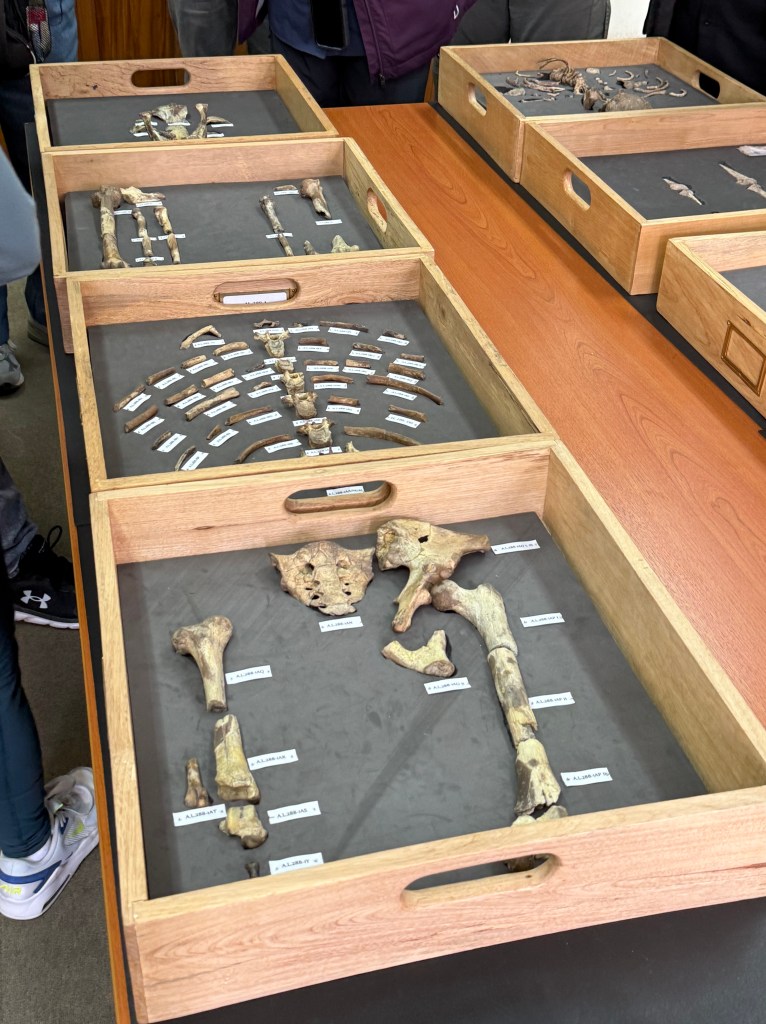
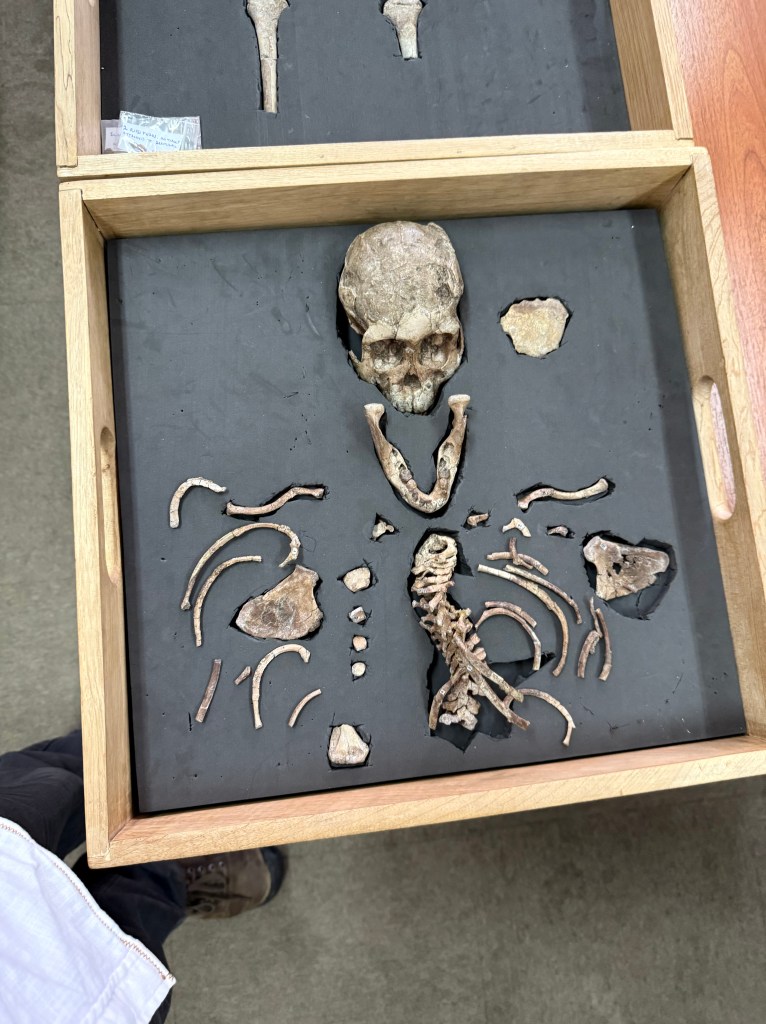
A highlight of this trip was an opportunity to visit the National Museum’s Paleontology Department where we met with one of the directors who took us on a backstage tour of their offices and allowed us to see the actual bones of Lucy, Selam and Ardi (an early hominid known as Ardipithicus Ramidus that predates Lucy by nearly a million years). Finding Lucy proved to be the “missing link” between apes and modern humans, particularly with her being fully bipedal and walking upright. Ardi’s find was important in that, while she was bipedal, she also had grasping toes as do modern apes, thus further solidifying the theory that modern apes and humans shared a common ancestor some 6-7Mya. I enjoyed getting all geeked out about seeing the actual bones of these remarkable beings vs the replicas I had seen in museums.
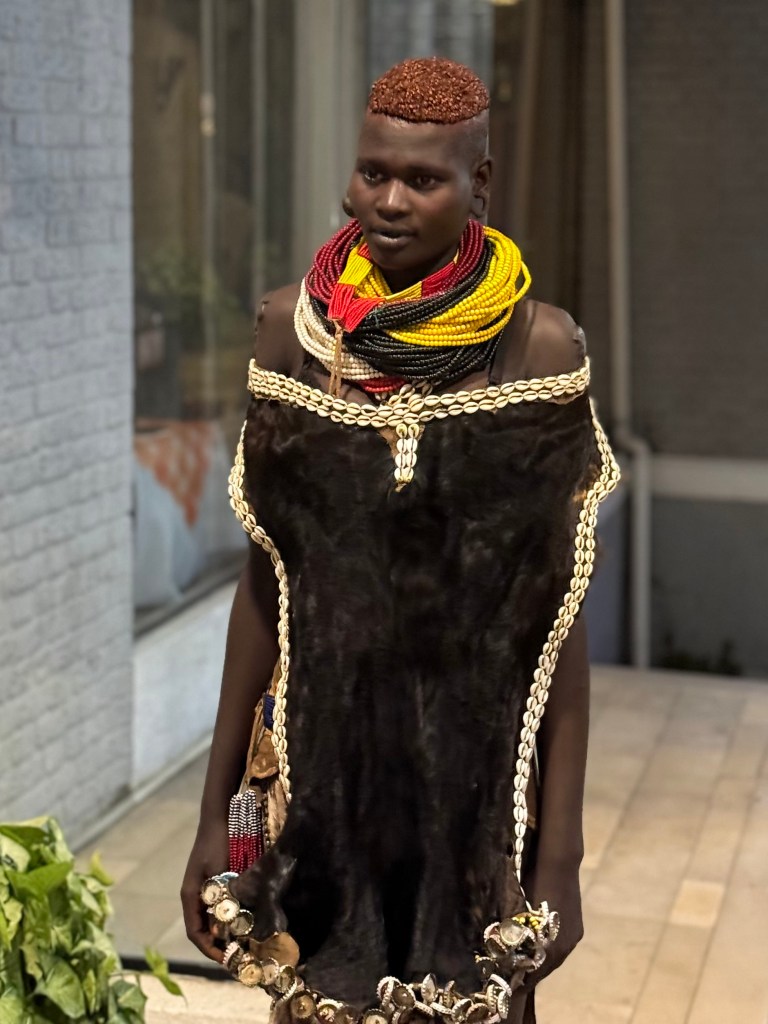
At dinner that night in one of the oldest restaurants in Addis, we dined on Ethiopian food and had a chance to chat with a couple of dancers that were performing elsewhere in the venue. They are from the Karo tribe in the south of the country, where body painting and body scarification are signs of beauty. Not sure that I get scarification (cutting the skin and rubbing with ash produces a noticeable, permanent welt on the skin, as on the shoulders of the female dancer), but I do find that the more curious I am, the less judgmental I become…

The next day we flew to Lalibela, home to unique rock-hewn churches from the 13th century. More on that in the next chapter…


Leave a Reply